
Free Social Media Management Tools That Save PR Teams Hours Each Week

Introduction
If you work in media or public relations, you already feel the pressure in 2026.

You are expected to manage multiple social accounts, track breaking news, engage audiences, and prove your ROI. And you are probably doing it all with a tight budget. Social media engagement today demands constant attention, and a single misstep can impact your brand’s hard earned reputation.
The good news? Free social media management tools have come a remarkably long way. Many of the leading platforms now offer generous free tiers packed with AI features that can streamline your workflow. In fact, research shows that PR teams using smart automation achieve significantly higher media placement rates learn more about AI adoption in PR.
But not every free tool is worth your time. Picking the wrong one just adds another chore to your busy day. A recent roundup of the best social media management tools in 2026 confirms the options are vast, but the right choice depends on your specific needs.
That is why this guide is different from a standard listicle. We provide an evidence based comparison of the best free social media management tools tailored specifically for newsrooms, PR agencies, and research teams. We compare scheduling accuracy, analytics depth, and team collaboration features across platforms that handle X, LinkedIn, Instagram, and TikTok without hidden costs. This lets you focus on your message, not the manual work.
Just like you depend on accurate data for ranking and evaluating media sources, you need a smart strategy for choosing your social dashboard. Whether you are looking for better Instagram marketing services, gathering social media marketing examples for a pitch, or preparing for a social media marketing certification, the right free platform is your launchpad for smarter work.
Let’s find the perfect match for your team.
Why Media Professionals Need Free Social Media Management Tools
You know the feeling. You juggle three different brand profiles, plus your personal account, all while monitoring breaking news and responding to comments.

It is exhausting. You end up spending hours each day switching between apps, copying and pasting posts, and hoping you do not forget to publish something important. That is a recipe for mistakes. Research from 2026 shows that social media platforms are rapidly becoming primary sources for audience engagement and even news consumption see Hootsuite’s social trends report. Manual management just cannot keep up.
Free social media management tools change everything. They give you a single dashboard to schedule posts, track performance, and collaborate with your team. All without spending a dime. The best part? Many of the top platforms in 2026 offer generous free tiers with AI features that can save you hours every week learn how leading PR teams use AI for faster results. For example, you can schedule a week’s worth of posts in one sitting. Then the tool publishes them automatically at the best times. That frees you up to focus on crisis response, pitching stories, or building relationships.
Consistency is another big win. Advertisers and PR teams need a steady posting rhythm to keep their audience engaged and algorithms happy. The data backs this up. Social engagement in 2026 relies heavily on trust and regular interaction Social Factor explains what the data reveals. When you miss a day, you lose momentum. Free tools help you schedule content across X, LinkedIn, Instagram, and TikTok without missing a beat. You can even pull in social media marketing examples from your best performing posts to replicate what works.
Beyond scheduling, these platforms offer basic analytics. You see which posts get the most clicks, shares, or comments. That data helps you refine your Instagram marketing services or prepare case studies for a social media marketing certification. You do not need a six figure budget to make informed decisions. And because most free tools support team accounts, your whole editorial team stays aligned. No more "I thought you were posting that" emails.
The real value is time. When you stop switching between platforms, you start thinking strategically. That is how smart campaigns are built. For a deeper look at how smarter data can improve your overall media strategy, check out our guide on the marketing definition that drives smarter media evaluation. Now let’s compare the top free tools available today.
Criteria for Evaluating Free Tools in 2026
Not every free tool is built the same. Some limit you to five posts a month.
Others let you schedule an entire editorial calendar. Before you sign up, you need to know what separates a helpful platform from a waste of time.
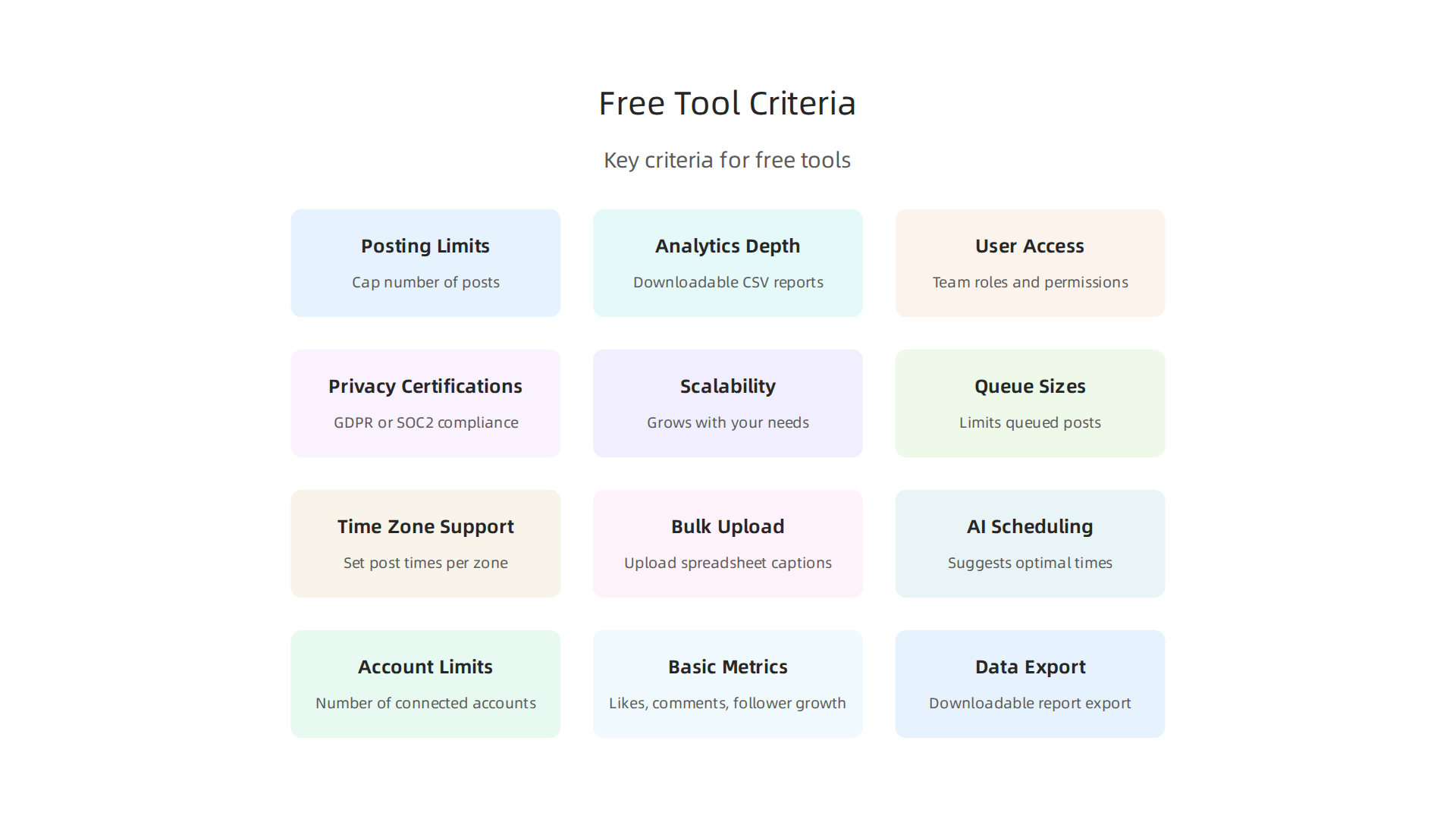
Posting limits and scheduling flexibility. This is the first thing to check. Most free plans cap the number of posts per social profile or per month. For example, you might get ten scheduled posts per account on one tool or unlimited drafts on another. If you manage multiple brands, look for a platform with generous allowances or a flexible queue system see the comparison table in Buffer’s best social media management tools guide.
Too low a limit and you will outgrow the tool fast.
Analytics depth and data export capabilities. Basic insights are standard. But can you download the data as a CSV? Do you see engagement trends over weeks or just a snapshot? For PR teams building case studies or pitching clients, raw data you can manipulate is gold. You want to track which posts earn the most clicks and shares to improve your social media marketing examples. If the free tier only shows vanity metrics, it is not enough.
User access controls. A solo creator might not need this. But your team does. Free plans should let you add at least one or two team members with different permission levels. That means the intern can schedule posts, the editor can approve them, and the account owner stays in control. No more "who changed the caption" headaches.
Privacy certifications matter more than ever. If you handle client data, you cannot skip GDPR and SOC2 compliance. The risk is real. When a tool lacks proper certifications, your agency could face serious liability Avaans Media highlights key PR statistics on data governance in 2026. Always check the privacy page before connecting your brand accounts.
Scalability. The best free tools grow with you. Maybe you start with one profile and three posts a week. Six months later you manage ten accounts and need AI-powered content suggestions. A study from 2026 shows that top social media management platforms help businesses scale their operations more smoothly Marketing 360 reviews the leading options for growth. If the free plan forces you to start over when you upgrade, keep looking.
Pick the tool that scores high on the criteria you value most. That way you avoid switching platforms every few months. For more help aligning your media strategy with the right data, read our guide on the credibility compass for better media decisions.
Feature Deep Dive: Scheduling and Posting
How much time do you waste manually posting each day? Probably more than you realize.
The right scheduler can cut that effort by over 60%. But not every free tool handles scheduling the same way. Let’s break down what actually matters.
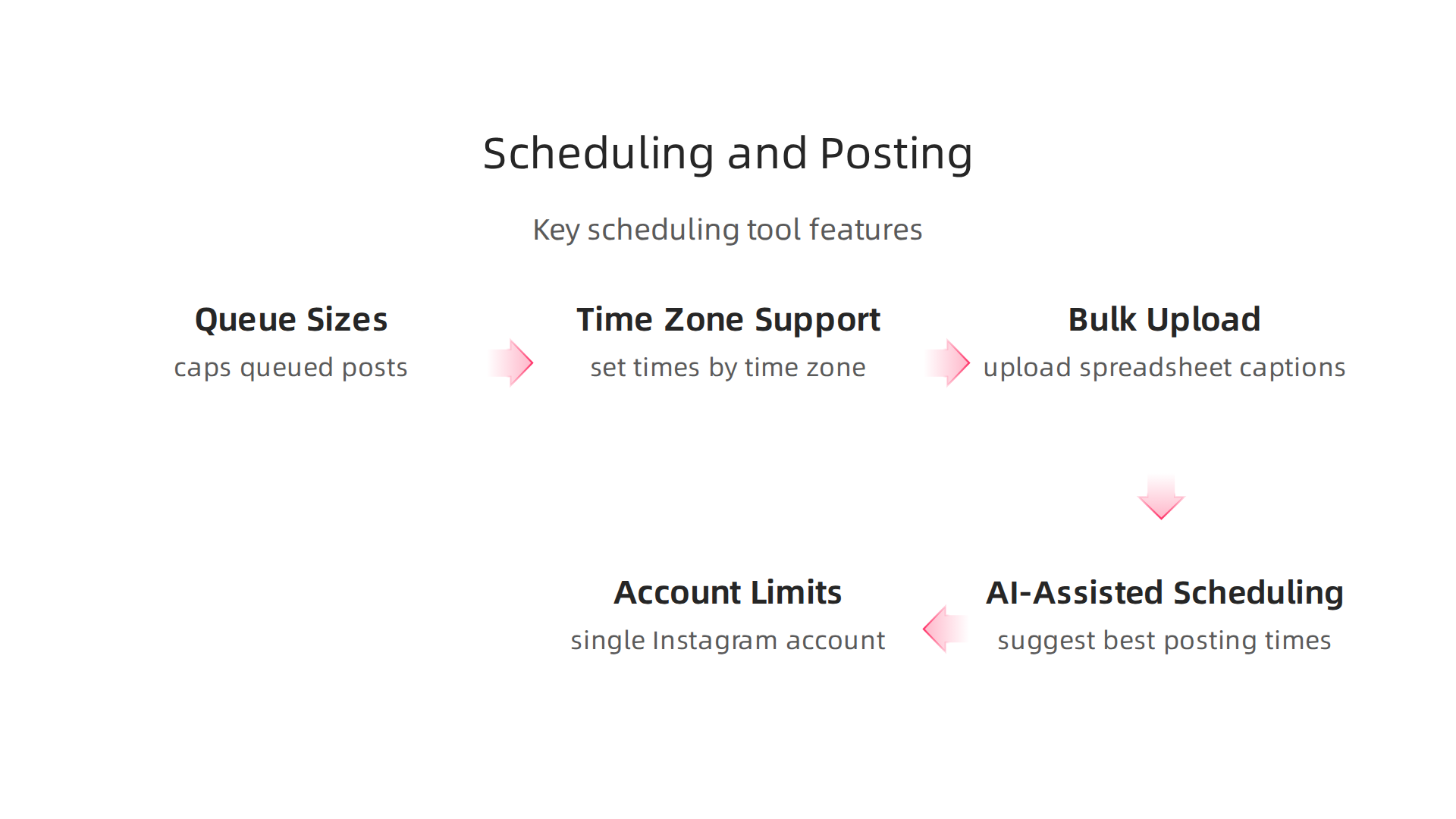
Queue sizes and posting limits. Most free plans cap how many posts you can queue per profile or per month. For example, Buffer’s free tier gives you three channels with ten scheduled posts each. Later and other tools have similar limits Eclincher reviews free plan caps across platforms. If you manage multiple brands, check the queue size before you commit. Too small a queue and you will outgrow it fast.
Time zone support. This sounds small, but it matters. If your team is spread across time zones or you target audiences in different regions, you need a scheduler that lets you set posting times by time zone. Some free tools lock you into one default time zone. That can cause posts to go out at the wrong hour. Avoid that headache.
Bulk upload and CSV imports. Manually creating each post is slow. The best free social media management tools let you upload a spreadsheet with captions, images, and dates. You schedule a week’s worth of content in minutes. Tools like Hootsuite and Sendible offer this even on lower tiers Microposter highlights Hootsuite’s established scheduling features. Look for this feature if you handle high volume.
AI-assisted scheduling is growing fast. In 2026, many platforms now suggest the best posting times based on your audience’s past engagement. Some even auto-write captions. For example, AI social media management tools from Buffer and Sprout Social help you draft and schedule content faster Digital Applied compares AI schedulers available today. Even free tiers are starting to offer basic AI suggestions.
Account limits per plan. Some free tools let you connect only one Instagram account. Others support multiple platforms like Twitter, LinkedIn, and Facebook. If you manage a brand that needs regular instagram marketing services, make sure the tool supports Instagram and allows enough posts per day. Also, check if you can add a team member to approve posts.
Choosing the right scheduler saves you from burnout. And when you are ready to share content from credible sources, pairing your calendar with trusted media matters. That is where understanding newspaper credibility comes in. Our guide on newspaper rankings for ad trade use shows you how to pick outlets worth promoting.
Test a few free tools. Compare queue sizes, time zone support, and bulk upload options. That way you find the schedule that fits your workflow, not the other way around.
Feature Deep Dive: Analytics and Reporting
Now that you have your posts scheduled, how do you know if they are actually working?
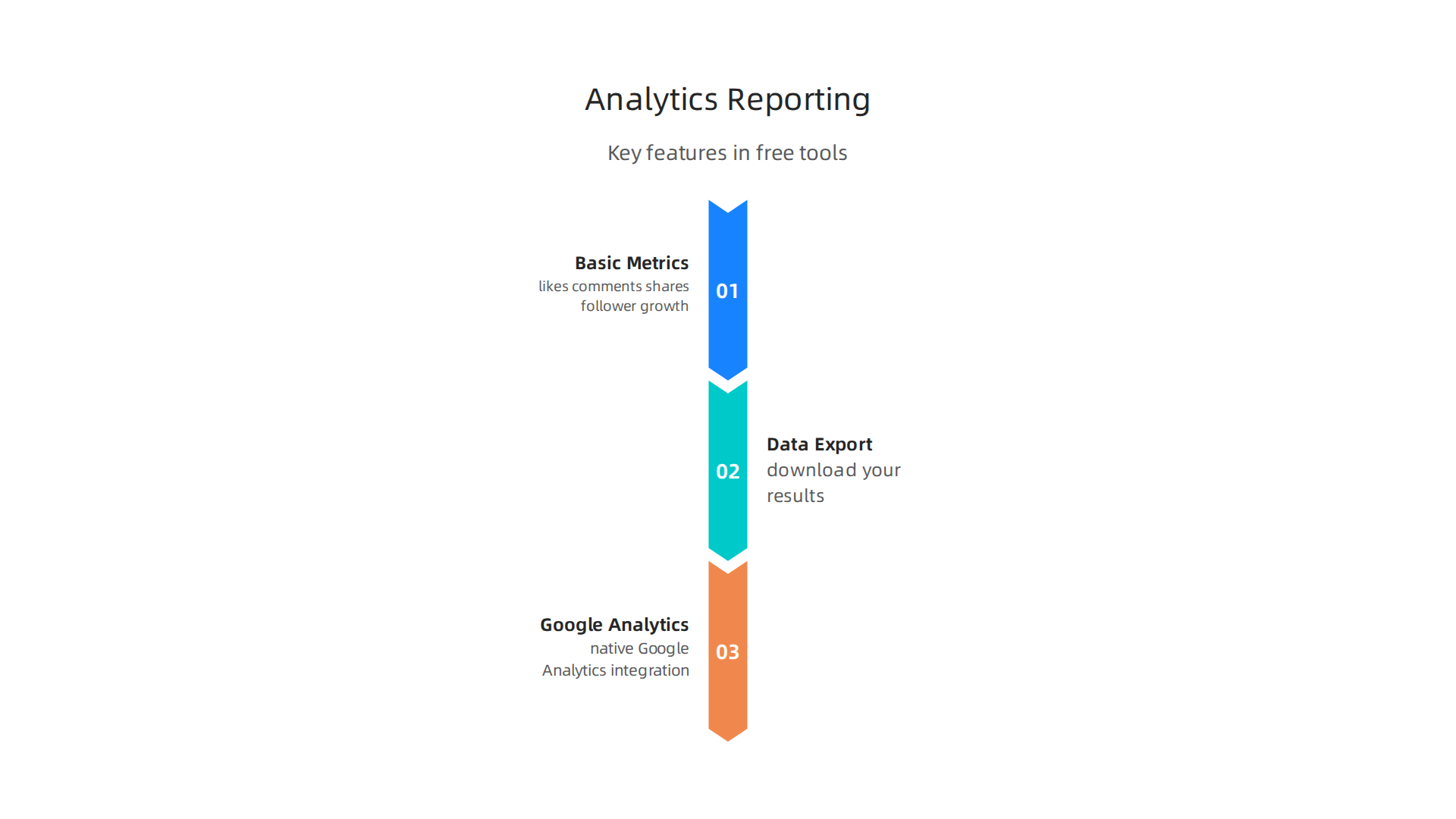
That is where analytics come in. Even the best free social media management tools give you some data. But what you see often depends on the plan you choose.
What basic analytics look like. Most free tools show you standard engagement numbers. Things like likes, comments, shares, and follower growth are common. You can see which posts performed best. But advanced features like sentiment analysis or audience demographics usually require a paid upgrade. For example, Later combines scheduling with analytics Buffer’s roundup of top tools mentions this hybrid approach, but the free tier only covers basic metrics. That is enough for a small brand. For social media marketing examples or deeper pattern spotting, you may need more.
Why data export matters for clients. If you report to a boss or an outside client, you need to download your results. Exporting to CSV or PDF helps you build a report. Some free tools let you do this. Others lock exports behind a paywall. Check this before you commit. If you are working toward a social media marketing certification, being able to generate clean reports is a skill that employers expect. Even basic exports give you enough to show progress.
Connecting to Google Analytics. This is where free plans fall short. Many tools do not offer native Google Analytics integration on their free tiers. You have to set up UTM parameters manually in each post. That is doable, but it takes extra time. For deeper insights into website traffic from your posts, you may want to consider an AI social media management tool that offers this integration on a higher plan.
Analytics are not just numbers. They help you understand your audience and improve your content. For example, if you see that posts about credible news sources drive more shares, you can focus on that topic. Our guide on newspaper rankings for ad trade use shows you how to identify outlets worth sharing. That way your analytics tell a story of growth, not just activity.
Start with the free analytics. Learn what your audience likes. Then decide if you need more.
Feature Deep Dive: Collaboration and Team Workflows
Analytics show you what is working. But who is doing the work? Getting a team to move fast together is one of the hardest parts of social media. And this is exactly where free social media management tools fall short.
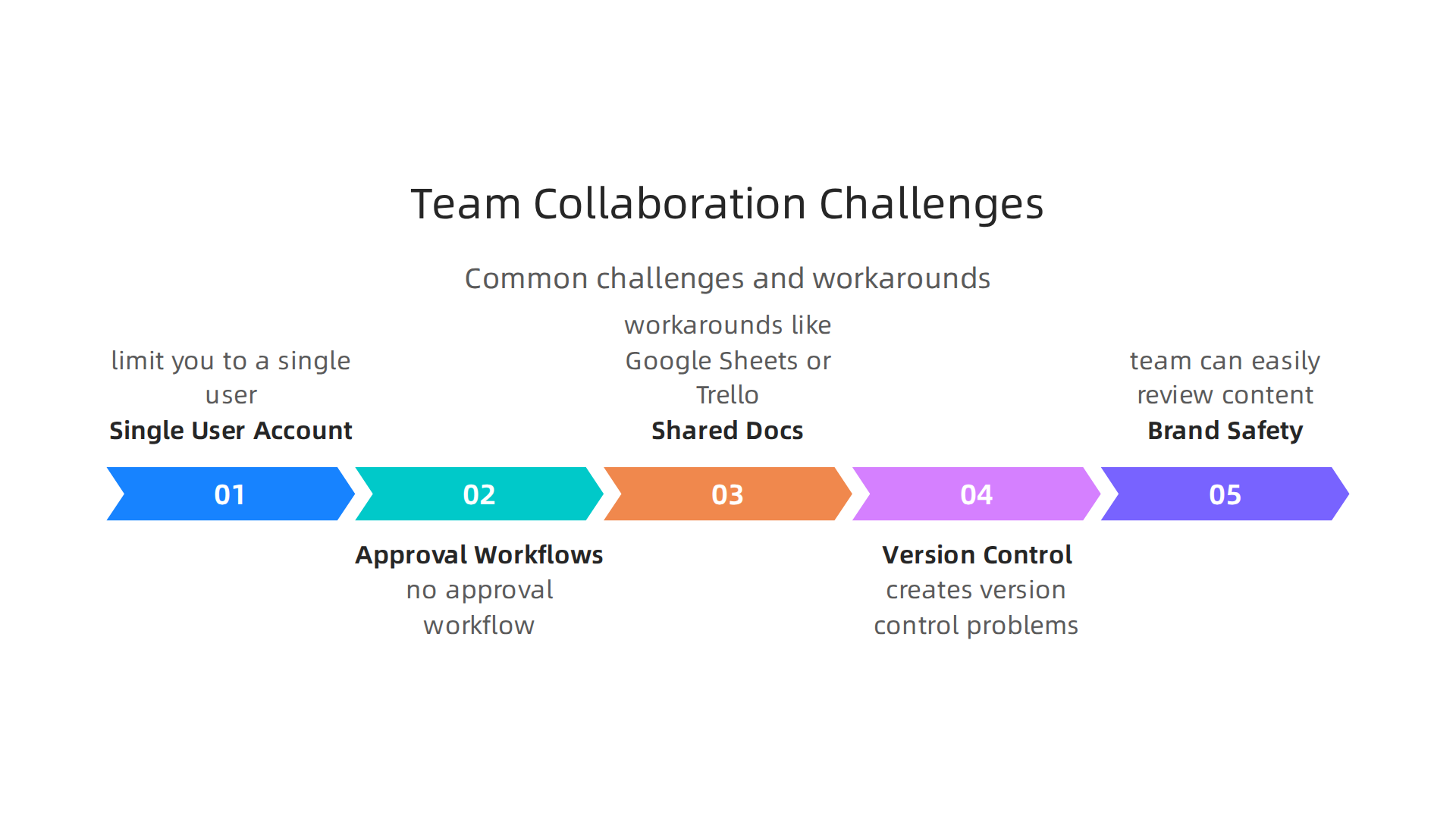
Free plans are built for one person. They almost always limit you to a single user account. If you have a team of three, someone has to share a password. That is a big security risk. It also violates best practices for data protection. For example, if you manage instagram marketing services for clients, sharing logins is a bad idea. Platforms like Hootsuite have strict rules about this. Their GDPR compliance page shows how important user access control is. You want a tool that lets you assign roles like admin, editor, or viewer.
Another missing piece is approval workflows. Free tools usually do not have a way to send a draft for review. So your team works in a shared doc. Someone writes a post. Someone else gives a thumbs up in chat. Then you copy and paste it into the scheduling tool. This manual hand-off is slow. And it causes mistakes. You paste the wrong link or forget to change the hashtags.
Some teams try workarounds like shared Google Sheets or Trello boards. These help a little. But they are not built for social media. You end up copying and pasting content between different apps. That creates version control problems. If you are looking at social media marketing examples for your next campaign, you want to save ideas inside your scheduling tool. Not across five different browser tabs.
Good collaboration keeps your brand safe too. When your team can easily review content, you avoid sharing biased or low-quality sources. Understanding where your news comes from matters more than ever. You can use our credibility compass for better media decisions to help your team evaluate sources quickly.
If you are studying for a social media marketing certification, remember this. Employers want to see that you understand team workflows and brand safety. A tool that helps your team stay aligned is worth more than one with flashy features you never use.
Do not settle for a free tool that forces you to work alone. Look for options that support real teamwork.
Data Privacy and Security Considerations
Working as a team is one piece of the puzzle. But there is an even bigger piece you cannot ignore. Data privacy and security. Here is the thing about free social media management tools. They have to make money somehow. A lot of the time, they do this by collecting your data or selling it to third parties. They often have very weak security guarantees.
Think about it. You are putting your entire social strategy into this tool. You might be running ads or managing instagram marketing services for clients. If the tool gets hacked, or if it secretly sells your data, you lose more than a few dollars. You lose trust.
Data privacy laws like GDPR are designed to stop this. The General Data Protection Regulation is a strict set of rules that protect people’s personal information. If you or your tool break these rules, you could face huge fines. You can get a clear overview of the European data protection law to understand your responsibilities.
Smart companies look for tools that follow strict security standards. They ask tough questions. Is this tool GDPR compliant? Does it have a SOC 2 certificate? These are important trust signals. Some of the best GDPR compliance software options in 2026 help businesses manage these requirements. But your actual social media tool needs to be secure from the start.
When you choose free social media management tools, you are trading convenience for risk. Is that a trade worth making? A paid tool often costs very little compared to the damage of a data leak.
This careful thinking applies to everything in your workflow. You need to protect your brand everywhere it appears. Our guide on newspaper rankings for ad trade use shows how we help brands stay safe by choosing credible news environments. The same idea applies to your software tools.
Look for transparent companies. For example, platforms like Hootsuite explain exactly how they handle data protection on their GDPR page. That is the level of transparency you should expect.
If you are studying for a social media marketing certification, pay close attention to data ethics. Knowing how to spot secure tools makes you a smarter marketer. Do not let a free tool put your reputation at risk. Protecting your data is protecting your business.
Integration with PR and Media Workflows
So you have locked down your data security. Now let us talk about making your tools actually talk to each other. If you run instagram marketing services or manage press outreach, your social media scheduler should not live in a silo. It needs to connect with your content management system, your PR contact database, and your press release tools.
Here is the good news. Many free social media management tools offer basic integrations with popular platforms like WordPress or Google Drive. That means you can publish a blog post and immediately schedule social posts about it from one dashboard. No switching between tabs endlessly.
But here is the catch. Free plans usually limit or disable API access. Without API access, you cannot build custom connections to your unique media monitoring tools or pitch tracking databases. That is a real problem when you need to see how a news mention lines up with your social engagement.
The Bridge Tools That Save You
Do not give up yet. Tools like Zapier and IFTTT can act as bridges between your free social scheduler and almost any other platform. Want to automatically create a tweet whenever your team adds a row to a Google Sheet of press contacts? Zapier can do that. The best social media management tools in 2026 often rely on these connectors to fill integration gaps.
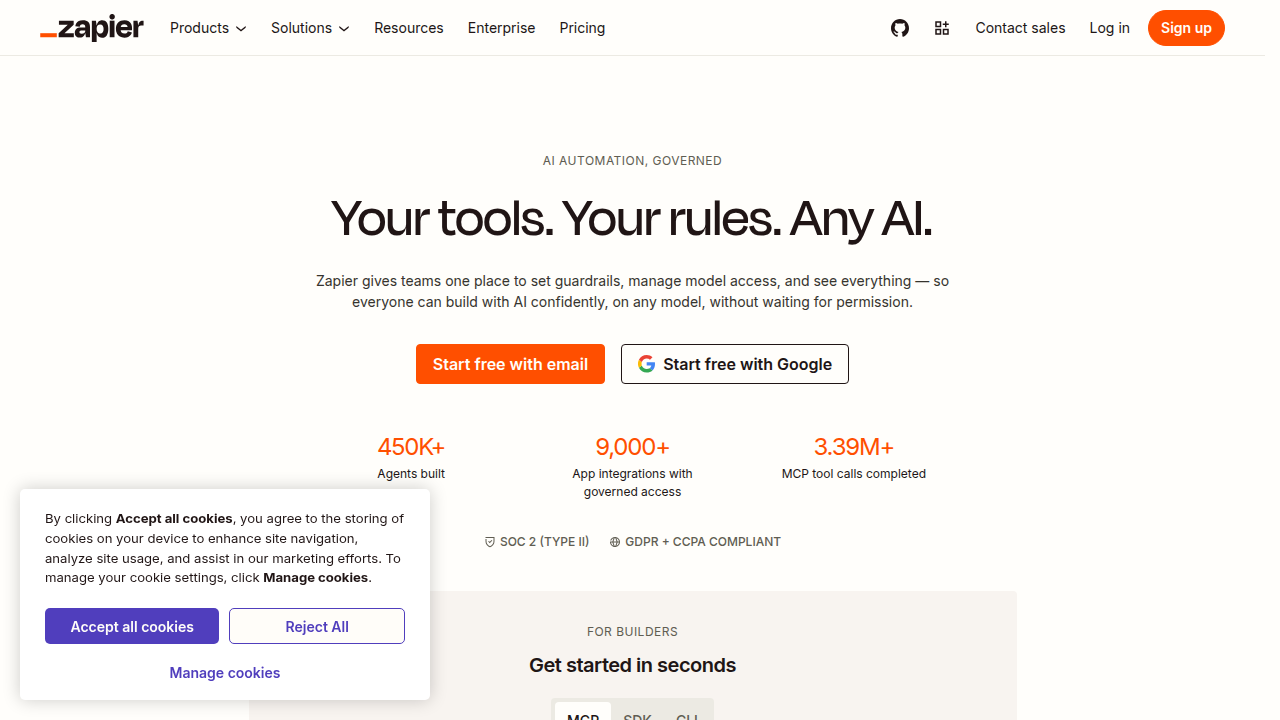
These bridges are not perfect. They add an extra step, and free Zapier plans limit how many automated tasks you can run each month. But for agencies just starting out or studying for a social media marketing certification, they work well enough to test workflows before upgrading.
How This Helps Your PR Work
When your social tool connects to your PR workflow, you can track coverage in real time. You might see a newspaper mention your client, and within minutes you can schedule a thank you post or share the article across channels. That speed matters for brand reputation.
Thinking about media credibility? Our guide on newspaper rankings for ad trade use shows how we help brands choose safe news environments for PR placements. If your social scheduler integrates with that data, you can avoid promoting unreliable sources.
Integration is not just a nice feature. It is the difference between a chaotic manual process and a smooth one. The best free social media management tools give you enough connection points to get started. Just know that as your PR needs grow, you will likely need to upgrade for full API access.
Case Study: Successful Free Tool Adoption by a PR Agency
Last year, a mid-sized PR agency hit a wall. They managed over 30 client accounts, including several that needed strong Instagram marketing services.

But their posting schedule was a mess. Different clients, different platforms, and a small team meant things slipped through the cracks. They did not have the budget for a big enterprise tool.
So they looked at free social media management tools instead. The goal was simple. Get more consistency without spending a dime or adding headcount.
Here is what they did. They picked Buffer for scheduling. Buffer is one of the most popular options when you compare social media management tools in 2026, and its free plan let them queue posts for every client from one dashboard. For analytics, they used the native insights built into each platform. That two-tool combo gave them enough data to see what worked.
The results surprised even them. Within three months, their posting consistency jumped by 40 percent. They did not hire anyone. They just stuck to a simple routine. On Monday, the team scheduled the whole week’s content. On Friday, they checked the numbers and adjusted the next batch. Their social media marketing examples showed steady engagement growth, even without paid promotion.
The key takeaway? You do not need a full paid suite to start. Use one tool for scheduling and another for analytics. This strategy works well for agencies that are early in their growth or studying for a social media marketing certification. The team even documented their process in a playbook that new hires could follow.
But there is a limit. Free plans cap how many posts you can schedule. For this agency, the volume was manageable. They plan to upgrade when they add more clients.
For PR teams, media credibility matters when you share coverage. Our guide on newspaper rankings for ad trade use shows how to choose safe news environments. If your scheduling tool connects with that data, you can avoid promoting unreliable sources.
The lesson is clear. Free tools can get real results. Start small, stay consistent, and scale when the data says you are ready.
Conclusion and Next Steps
Free social media management tools are a real gift for budget-conscious teams. As the case study showed, a PR agency used a simple two-tool setup to boost consistency by 40 percent without spending a dime. But here is the thing: not every free tool is the right fit for every team. You need to evaluate carefully.

Start by looking at your specific workflow. Do you mainly need scheduling? Buffer offers a generous free plan for up to three platforms according to efficient.app’s 2026 review. If you focus mostly on Instagram, the Postiz guide notes that Meta Business Suite is the most powerful free option for Facebook and Instagram. Need a fuller suite? Zapier’s comparison lists Hootsuite as a top contender for fully-featured management, even on a free tier.
Match the tool to your team’s biggest pain point: scheduling, analytics, or collaboration. For agencies juggling multiple client accounts, scheduling alone can save hours each week. For a solo creator learning the ropes, analytics might matter more. The right free tool helps you practice actual social media marketing examples until you feel confident.
Now, a warning you cannot skip. Always check the data privacy policy. Free tools often collect and may share your data, especially if you handle client accounts. If you work in an industry where media credibility matters, this is extra important. You do not want to expose your clients’ strategy data. Our guide on yellow journalism examples from the 1890s to 2026 shows how to spot unreliable sources. The same critical thinking applies to the tools you trust with your data.
When should you upgrade? Only when the data tells you. The agency in our case study hit the limits of Buffer’s free plan as they added clients. That is the smart time to explore paid plans. Not because a sales email told you, but because your own metrics prove you need more volume, more users, or deeper analytics.
Finally, free tools are also great for learning. If you are studying for a social media marketing certification, you can get hands-on practice with real tools without any financial risk. Use the free versions to test strategies, measure results, and build a playbook. That experience is worth more than any textbook.
So here is your next step. Pick one free tool based on your primary need. Set up a two-week trial schedule. Track your consistency and engagement. When you see signs of scaling need, then consider a paid upgrade. Until then, let the free tools do the heavy lifting. They are a smart starting point, not a compromise.
Summary
This guide helps newsroom, PR, and research teams choose the best free social media management tools in 2026 by focusing on real needs: scheduling, analytics, collaboration, integrations, and data privacy. It explains why free tiers matter now—AI features, time savings, and reasonable analytics—while warning about common limits like post caps, single-user accounts, and locked exports. The article gives concrete evaluation criteria (posting limits, export capability, user controls, certifications, and scalability), deep dives into scheduling and analytics features to look for, and shows how integrations and team workflows affect day-to-day work. A case study demonstrates how a mid-sized PR agency boosted consistency by 40% using a two-tool free setup, and the conclusion outlines when to stay free and when to upgrade. Readers will learn how to test tools, protect client data, and pick a platform that fits their volume and security needs before investing in paid plans.
Latest insights and trends