
Arizona Republic Bias Rating and Credibility Data for Advertisers and Researchers

Introduction
We live in a time of media fragmentation. More news sources exist than ever before, but figuring out which ones you can trust is harder than it sounds. If you are an advertiser, a PR professional, or a researcher, you need solid data on a publication’s bias and credibility before you make decisions.

The Arizona Republic newspaper is a major regional player, but what do we really know about its editorial slant? That is the question we answer here.
Without objective data, you risk making misinformed choices. You might place an ad in a paper that does not match your brand values. Or you might cite a source that has a hidden political lean. The same challenge applies whether you are evaluating the Arizona Republic, the Mankato Free Press, the Garden Island newspaper, or the Pittsburgh newspaper scene. Each outlet has its own reputation, and guessing is not a strategy.
This article provides a data-backed analysis of the Arizona Republic’s bias rating, credibility score, audience reach, and historical context. According to a 2024 review by Media Bias Fact Check, the Arizona Republic leans left-center in its editorial positions.
You can read the full breakdown at Arizona Republic (AZ Central) – Bias and Credibility. For an even deeper look at the numbers and methodology, check out our dedicated profile: Arizona Republic bias rating and credibility data.
By the end of this article, you will have the confidence to make smarter media choices based on real evidence, not guesswork.
Media lists and rankings are useful, but incomplete. That is why we encourage you to go deeper. Rankings Need Judgment helps you understand what the numbers alone miss.
Understanding the Arizona Republic’s Political Bias Rating
Why do bias ratings really matter? If you are an advertiser, placing your brand next to content that clashes with your values can hurt trust. If you are a researcher, ignoring an outlet’s editorial slant can distort your conclusions. That is why pinning down the Arizona Republic newspaper’s political lean is more than an academic exercise.
The paper’s rating depends on who you ask and how they measure. AllSides currently rates both The Republic News and AZ Central as Center on the political spectrum. However, the organization admits it has low confidence in these ratings until it completes more bias reviews. That cautious note is important. It means the picture could shift with more data.
Understanding methodology helps you interpret any rating correctly. Analysts study editorial endorsements, story selection, and the specific words journalists choose in their coverage. Each factor reveals pieces of the bigger picture. For a broader look at where different outlets land, the AllSides Media Bias Chart gives you a visual reference across the full spectrum.
If you want to go further into how editorial slant has evolved, our deep dive on yellow journalism examples from the 1890s to 2026 and how to spot them traces the same kind of bias patterns through American news history.
How Bias Ratings Are Determined
How do you know if a bias rating is accurate? The answer lies in how the rating was made. Organizations like AllSides and Media Bias Fact Check use clear, repeatable methods to judge where a source leans.

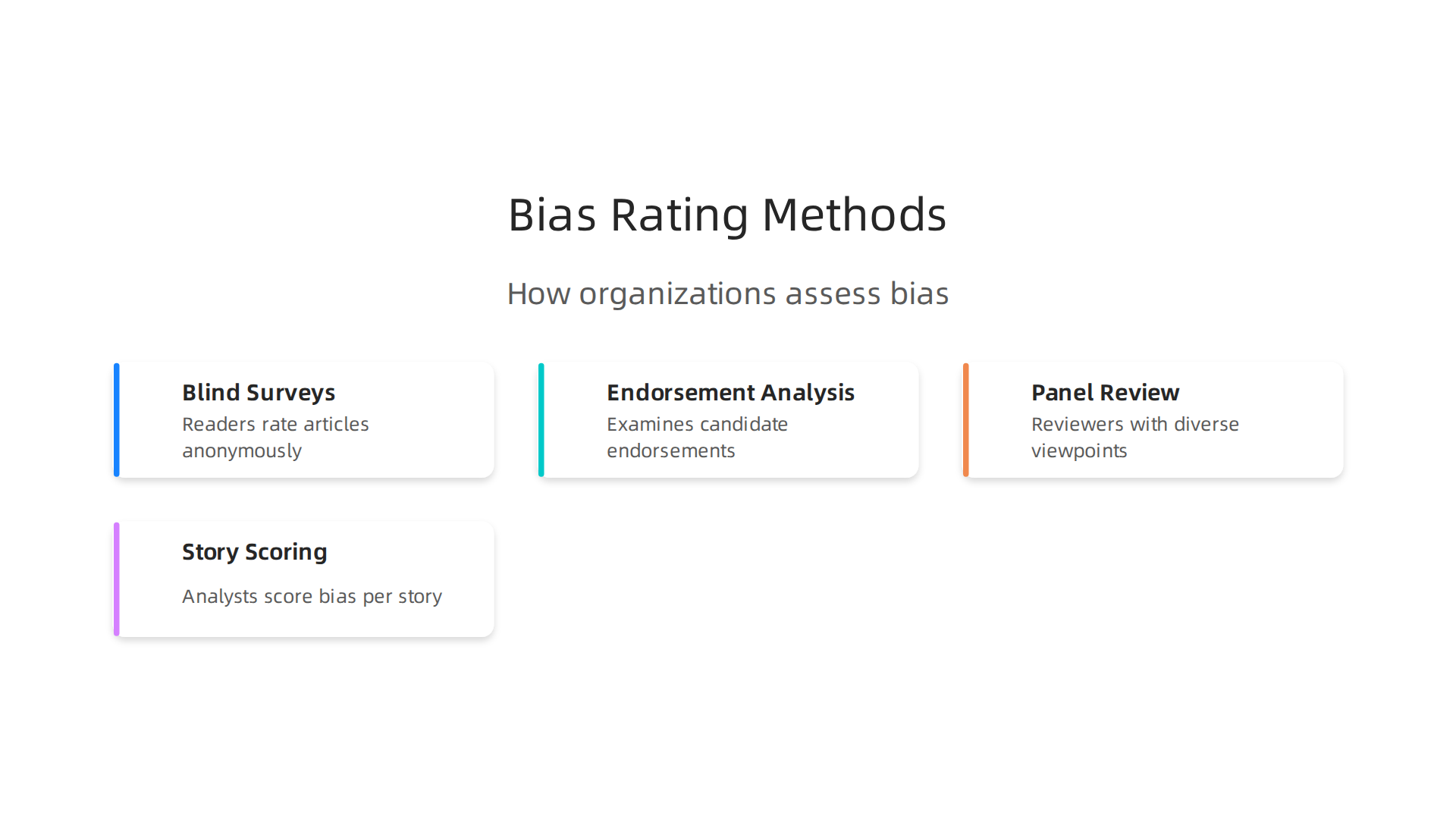
AllSides combines several tools. It runs blind bias surveys where readers rate articles without knowing the source. It also looks at which candidates a newspaper endorses and uses a panel of reviewers from different political views. That mix helps catch blind spots. For the Arizona Republic newspaper, AllSides currently has low confidence in its Center rating because it has not done enough reviews yet. You can see the full detail on the Arizona Republic bias and credibility page from Media Bias Fact Check, which rates the paper as Left-Center based on its editorial stance and story choices.
Ad Fontes Media takes a different approach. It has a team of analysts from diverse political backgrounds who rate both bias and reliability on a detailed chart. Each story gets scored individually, then the scores are averaged for the whole outlet.
The most trustworthy ratings come from organizations that share their full process. If you want to compare how major outlets stack up, our major US newspapers ranked by credibility bias and reach guide gives you a side-by-side view.
Arizona Republic’s Placement on the Spectrum
So where does the Arizona Republic actually sit? Current bias ratings put it slightly to the Left of Center. Media Bias Fact Check gives the paper a Left-Center rating based on editorial positions that lean toward liberal Democratic views. AllSides currently rates it as Center, but with low confidence because it has not done enough reviews yet. That split tells you something important. The paper is not far left. It sits in a moderate zone, which makes it useful for readers who want balanced coverage without an extreme slant.
Here is the twist. The Arizona Republic has not always leaned this way. In the past, its editorial endorsements often favored conservative candidates. That shift over time shows how a newspaper’s bias can evolve as its audience and editorial team change. Compared to other Arizona newspapers like The Arizona Daily Star, the Republic stays relatively moderate. That matters for advertisers who want to reach readers without triggering strong political reactions. It also matters for researchers studying how media effects play out across different regions.
If you want a deeper breakdown of where the Republic lands and what that means for your work, check out our Arizona Republic bias rating and credibility data page. It gives you the full picture in one place.
Credibility and Trust: Why It Matters for Advertisers
Beyond where the Arizona Republic sits on the bias spectrum, advertisers need to care about one more thing: credibility.

Placing ads in a low-trust outlet does not just waste money. It can harm your brand’s reputation and cut your campaign return on investment. When readers question the news they see, they start questioning the ads next to it too.
The Arizona Republic holds solid trust scores from independent monitors. For example, NewsGuard provides transparent reliability ratings that help advertisers vet news sources. The Republic consistently scores in the acceptable range, meaning its editorial standards meet basic fact-checking and accountability benchmarks. That gives you a safer environment for your brand.
But trust is not a set it and forget it metric. Editorial quality can shift with staff changes or new ownership. Brand safety requires continuous monitoring of the paper’s factual accuracy and ethical standards. One easy way to stay on top of this is by using our guide on brand safety through ad systems and newspaper credibility. It walks through the specific checks you should run.
Ultimately, rankings and trust scores give you a starting point. Rankings Need Judgment when you are deciding which outlets truly belong in your media plan. The numbers help, but your own evaluation of the Arizona Republic’s recent output matters just as much.
Factual Reporting and Stewardship
So how does the Arizona Republic newspaper really handle the facts? The answer depends on whether you look at local or national stories. Readers and advertisers alike report that the paper does strong work on local investigative journalism, digging into Arizona issues with real depth. But its national coverage can sometimes carry more partisan framing, especially around hot-button political topics.
This is where stewardship comes in. A responsible newsroom tracks mistakes and corrects them openly. That corrections policy is one of the clearest signs of whether a publication values accuracy over speed. You can check how the Republic handles corrections by comparing its standards to what independent rating services look for. The NewsGuard reliability ratings offer a helpful benchmark for this kind of evaluation.
For a full picture of where the paper lands, check our detailed Arizona Republic bias rating and credibility data. It breaks down the scores advertisers actually need to know.
Brand Safety Considerations
When you advertise in the Arizona Republic newspaper, brand safety goes beyond just knowing its bias.
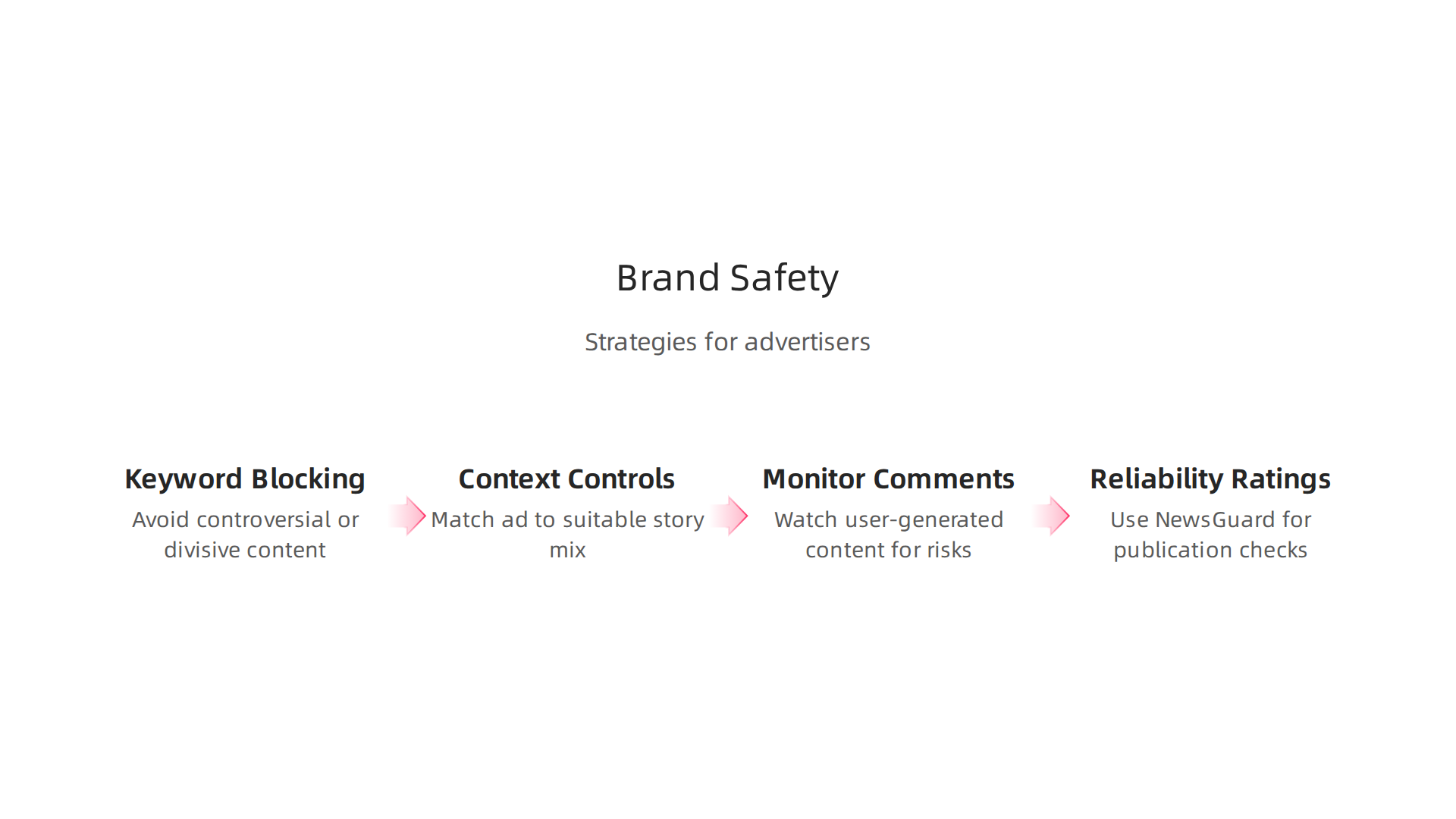
You also need to think about how emotionally charged or divisive the stories can be. The paper covers hot-button topics around Arizona politics and national debates. That means your ad might appear next to controversial content that could reflect poorly on your brand.
Smart advertisers use keyword blocking and context controls to avoid this. But you also have to account for the outlet’s typical story mix. For example, a story about a heated election might not be the right place for a family-friendly product.
Another risk comes from user-generated content. The Arizona Republic’s comment sections can be unpredictable. Readers sometimes post strong opinions or misinformation. That content sits right below your ad. To stay safe, many brands use tools that monitor these spaces. You can check the NewsGuard reliability ratings for a deeper look at how the publication handles these risks.
If you want to learn more about protecting your brand, read our guide on ad systems and newspaper credibility for safer brand placements.
Audience Reach and Demographics
Knowing the size and makeup of the Arizona Republic newspaper audience is critical for any media buyer or researcher. The numbers help you decide if this outlet fits your campaign goals.
The data shows a clear trend. Print circulation has fallen fast, while digital readership has grown. According to the Arizona Republic Wikipedia page, average print circulation is now 32,800 copies, with roughly 66,000 digital subscribers. One report on the paper’s performance noted a 19 percent circulation decline from 2024 to 2025.
This shift changes the audience profile. Digital readers are typically younger and browse on phones. They engage with short articles and video content. Print readers tend to be older, local, and more loyal. Both groups have value, but they respond to different ad types.
Smart media buyers look beyond raw circulation. They track unique visitors, time on site, and page views per session. These engagement metrics give a truer picture of ad exposure.
For a broader comparison, see our list of major US newspapers ranked by credibility, bias, and reach. Then remember that numbers only tell part of the story. Rankings Need Judgment because media lists are useful, but incomplete.
Print and Digital Circulation
Print circulation for the Arizona Republic newspaper has dropped to about 32,800 copies, while digital subscriptions have grown to nearly 66,000. The combined reach still makes it the dominant news source in Arizona. Weekday and Sunday circulation differ, with Sunday often higher, which affects ad pricing. In 2025, the paper announced it would move printing to Las Vegas, cutting 117 jobs. For more on how its credibility and bias are rated, see our Arizona Republic bias rating and credibility data.
Audience Engagement Metrics
Beyond circulation numbers, audience engagement metrics reveal how deeply readers connect with the Arizona Republic newspaper.
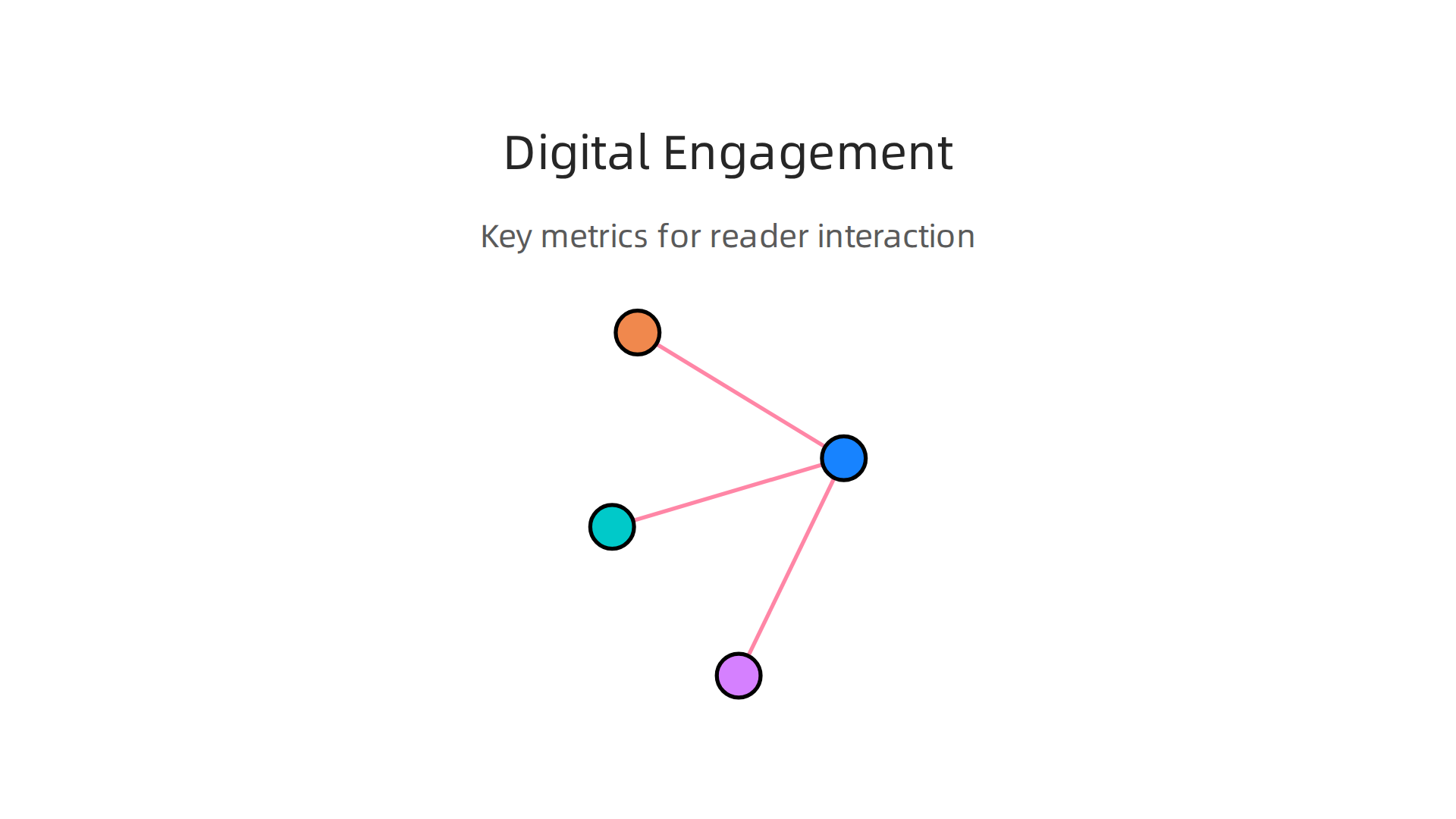
Average time on page, pages per session, and bounce rate show whether visitors skim or dive deep into stories. Social media followings and share counts also amplify the paper’s reach far beyond direct subscribers. These indicators help researchers gauge content resonance and community influence. For a broader look at news source credibility, explore our free social media management tools that PR teams use to track engagement. You can also see the Arizona Republic Wikipedia page for a summary of its digital subscriber count and online presence.
Historical Context and Editorial Evolution
The Arizona Republic newspaper began publishing in 1890, founded in Phoenix by the Pulliam family.
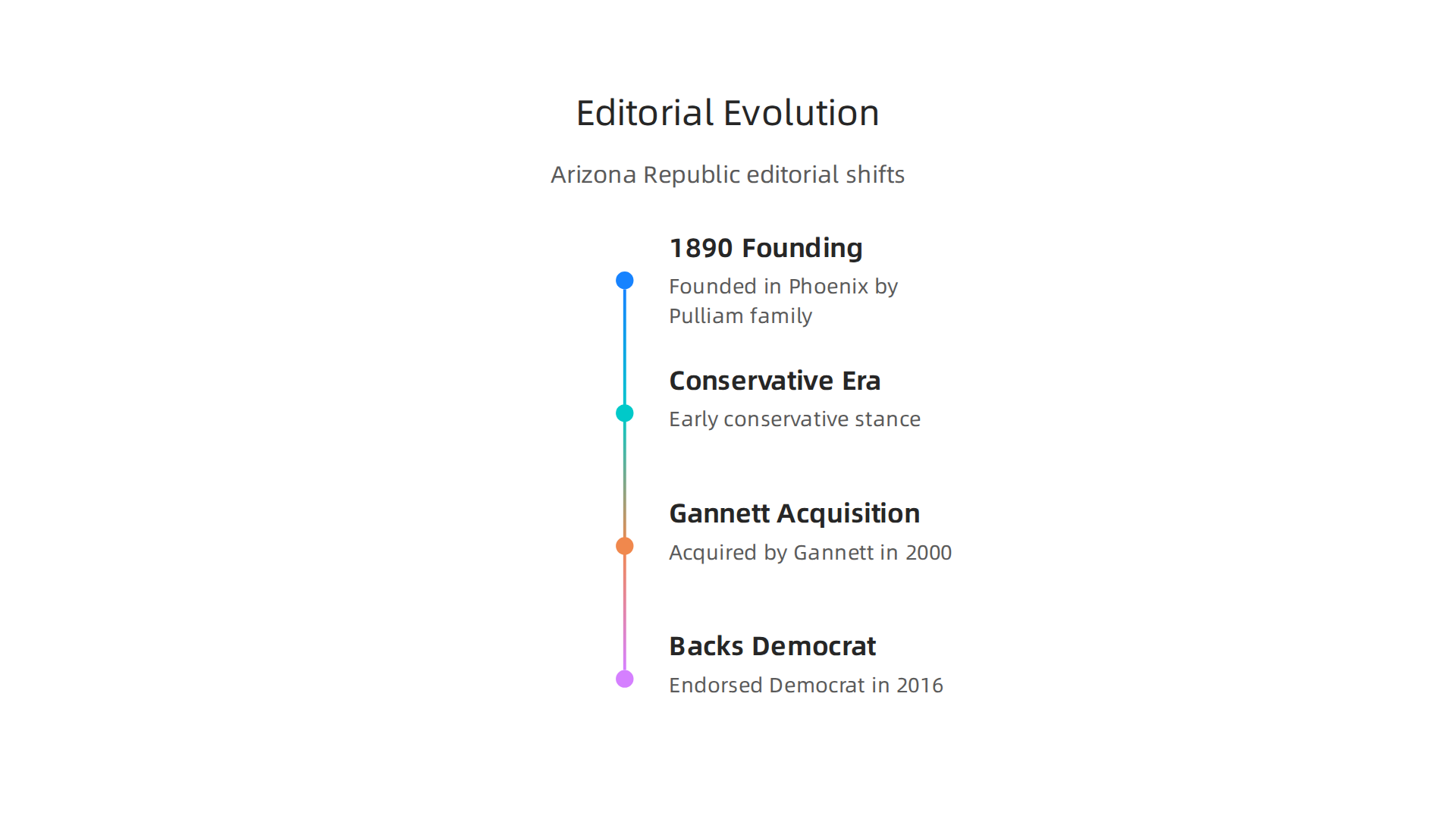
For most of its early life, it carried a conservative editorial voice. That direction shifted in 2000 when Gannett bought the paper from the family. Under new ownership, the Republic slowly moved toward the center. A landmark moment arrived in 2016 when the paper made national news by backing a Democrat for the first time in its history. That endorsement signaled a major editorial evolution. Knowing this history helps media professionals and readers alike predict future direction. For a deeper look at where the paper stands today, explore our Arizona Republic bias rating and credibility data. Media lists are useful, but incomplete. That is why we created the Rankings Need Judgment tool to help you see beyond simple labels.
From Territorial Paper to Digital Leader
The Arizona Republic newspaper debuted in 1890 under its original title, the Arizona Republican. The paper later dropped the partisan name and gradually moved toward the center. It became one of the first regional newspapers to launch a digital paywall, adapting early to online readership. The Gannett acquisition was a major turning point, as detailed in the Los Angeles Times. For a side-by-side comparison of today’s news outlets, explore our major US newspapers ranked by credibility.
Ownership and Influence
This corporate shift brought major changes. Gannett’s nationwide consolidation led to shared content and reduced local autonomy. Hedge fund ownership through New Media Investment Group also influenced staffing and coverage. Still, the Arizona Republic newspaper keeps a strong local identity and investigative unit. For deeper credibility data, see our Arizona Republic bias rating and credibility data.
Using Arizona Republic Data for Research and Campaigns
The credibility and bias data we track at US Newspaper Rankings isn’t just for curiosity. It has real-world uses for academics and PR teams. For researchers studying media coverage, knowing the political leaning and trust score of the Arizona Republic newspaper helps control for source effects in content analysis. If your study compares local news across states, you can account for the Republic’s specific bias profile rather than treating all newspapers equally. This makes your findings more reliable.
PR professionals can also benefit. When pitching stories or placing advertisements, targeting a newspaper with known credibility and local reach matters. The Arizona Republic still holds weight in Phoenix and beyond, despite recent circulation drops. For example, its average paid circulation fell significantly from 2021 to 2025, according to Arizona Republic circulation data from Statista. Understanding these numbers helps you adjust expectations.
The real power comes from combining bias, reach, and trust scores together. That’s a robust framework for media planning and risk assessment. Instead of guessing, you get a clear picture. Of course, rankings need judgment too. Data gives you a starting point, but context matters.
For a deeper look at how other newspapers compare, check out our newspaper rankings for ad trade use. It shows how credibility and bias data can protect your brand in any campaign.
For Academic Researchers
For academics, the value of structured bias and credibility data goes even further. The Arizona Republic newspaper works as a strong case study for content analysis research. You can treat bias ratings from sources like AllSides and Ad Fontes as ordinal variables in regression models that study media framing effects. This lets you test whether a paper’s political leaning changes how it covers specific topics.
Credibility scores also help you pick sources for meta-analyses or multi-source comparisons. Instead of relying on gut feeling, you choose publications with verified trust levels. The Arizona Republic Wikipedia page gives documented circulation history and ownership details, which supports longitudinal studies.
Public datasets from AllSides and Ad Fontes offer trend data over time, so you can track how the Arizona Republic’s bias and trust scores have shifted. The same method applies to other papers like the Mankato Free Press, Garden Island Newspaper, or any Pittsburgh newspaper. For a deeper look at the Republic’s specific ratings, check our Arizona Republic bias rating and credibility data for advertisers and researchers. That page gives you the raw numbers you need for regression models and meta-analyses.
For PR and Media Placement
If you work in PR, pitching to the Arizona Republic newspaper takes more than a standard press release.

First, you need to understand its current standing. The paper was recently named one of the nation’s worst-performing in terms of circulation, with a circulation drop to 32,800. This makes digital reach more important than print for your media plans.
Your pitch also needs to fit the paper’s editorial focus. Study what their top reporters are covering. Sending a story that matches their beat reduces friction and builds goodwill.
Next, use credibility data to find the right journalists. Pitching to a reporter with a high trust score protects your brand. For a deeper look at how to use these scores, read our guide on brand safety and credibility data for safer media placements.
Finally, monitor bias trends at the Republic. If the paper’s political leaning shifts, it affects how your story gets framed. Adjusting your messaging during a crisis, based on solid data, helps you stay in control.
Comparative Analysis: Arizona Republic vs. Peer Newspapers
How does the Arizona Republic newspaper compare with other papers in the state? Looking at bias and credibility ratings shows clear differences.
Take the Arizona Daily Star in Tucson. AllSides rates it as Arizona Daily Star: tucson.com Media Bias at Center, while Media Bias/Fact Check calls it Arizona Daily Star – Bias and Credibility at Left-Center with High factual reporting. The Republic, as a Gannett paper, often sits closer to the center as well, but these small differences matter.
For advertisers, this helps you pick the right outlet for your audience. A center-rated paper may appeal to a wider readership, while a left-center paper may attract a more specific crowd. Researchers can use these comparisons to benchmark papers owned by the same company.
For a full list of how major papers stack up, check our guide on major US newspapers ranked by credibility, bias, and reach.
Media lists are useful, but incomplete. Rankings Need Judgment when choosing where to place your brand.
Bias Comparison with The Arizona Daily Star
How does the Arizona Republic newspaper stack up against the Arizona Daily Star? Both papers sit near the center politically, but with small differences. The Arizona Daily Star, owned by Lee Enterprises, focuses more on border issues in Tucson. The Republic, owned by Gannett, covers Phoenix metro and statewide politics more broadly. These ownership differences can subtly shape editorial tone. For detailed bias and credibility data on the Republic itself, check our Arizona Republic bias rating and credibility guide.
Credibility Ranking Among Regional Papers
National tools like NewsGuard and Ad Fontes let you compare credibility across regional newspapers directly. Factors such as corrections transparency and journalistic awards help boost a paper’s score. The Arizona Republic newspaper scores well thanks to its strong investigative legacy, but newer digital-first outlets are challenging its position. For a broader view of how regional papers measure up, check our ranking of major US newspapers ranked by credibility. You can also see how the Republic’s standing compares using the Arizona Daily Star Media Bias rating as a reference.
Summary
This article presents a data-backed profile of the Arizona Republic newspaper, explaining its current political leaning, credibility scores, audience reach, and editorial history so advertisers, PR teams, and researchers can make informed decisions. It summarizes different rating organizations’ findings—Media Bias/Fact Check (Left-Center) and AllSides (Center with low confidence)—and explains how those ratings are produced. The piece also covers credibility measures like NewsGuard scores, outlines brand-safety risks (comment sections, hot-button stories), and gives practical steps advertisers should take to protect campaigns. You’ll find circulation and engagement numbers showing print decline and digital growth, plus guidance on using bias and trust data in research or media planning. Historical context traces the paper’s shift after Gannett’s acquisition and notable editorial changes. Overall, readers will leave able to assess the Republic’s fit for ads, research samples, or PR pitches using concrete metrics and monitoring strategies.