
Arizona Republic Bias Rating and Credibility Data for Advertisers and Researchers

Introduction: Why Understanding The Arizona Republic Matters
Think about the last time you read a news story from the Southwest. Did you wonder who wrote it and whether you could trust it?

You are not alone. In 2026, knowing where your news comes from matters more than ever. The Arizona Republic is one of the largest regional newspapers in the US Southwest. It serves a rapidly growing population spread across a politically diverse state. That makes it a powerful source for anyone tracking American news.
But here is the thing. Not all news outlets are the same. Professionals in advertising, public relations, and research need hard data to make smart choices. You cannot rely on gut feelings alone to decide if a paper is credible or biased. That is why objective ratings and transparency standards matter. Groups like the International Fact-Checking Network (IFCN) publish a Code of Principles that helps hold news organizations accountable. And platforms like NewsGuard use clear criteria to rate reliability.
This article gives you a data-backed profile of The Arizona Republic. You will learn about its trustworthiness, bias rating, audience makeup, and how to use this information in your work.
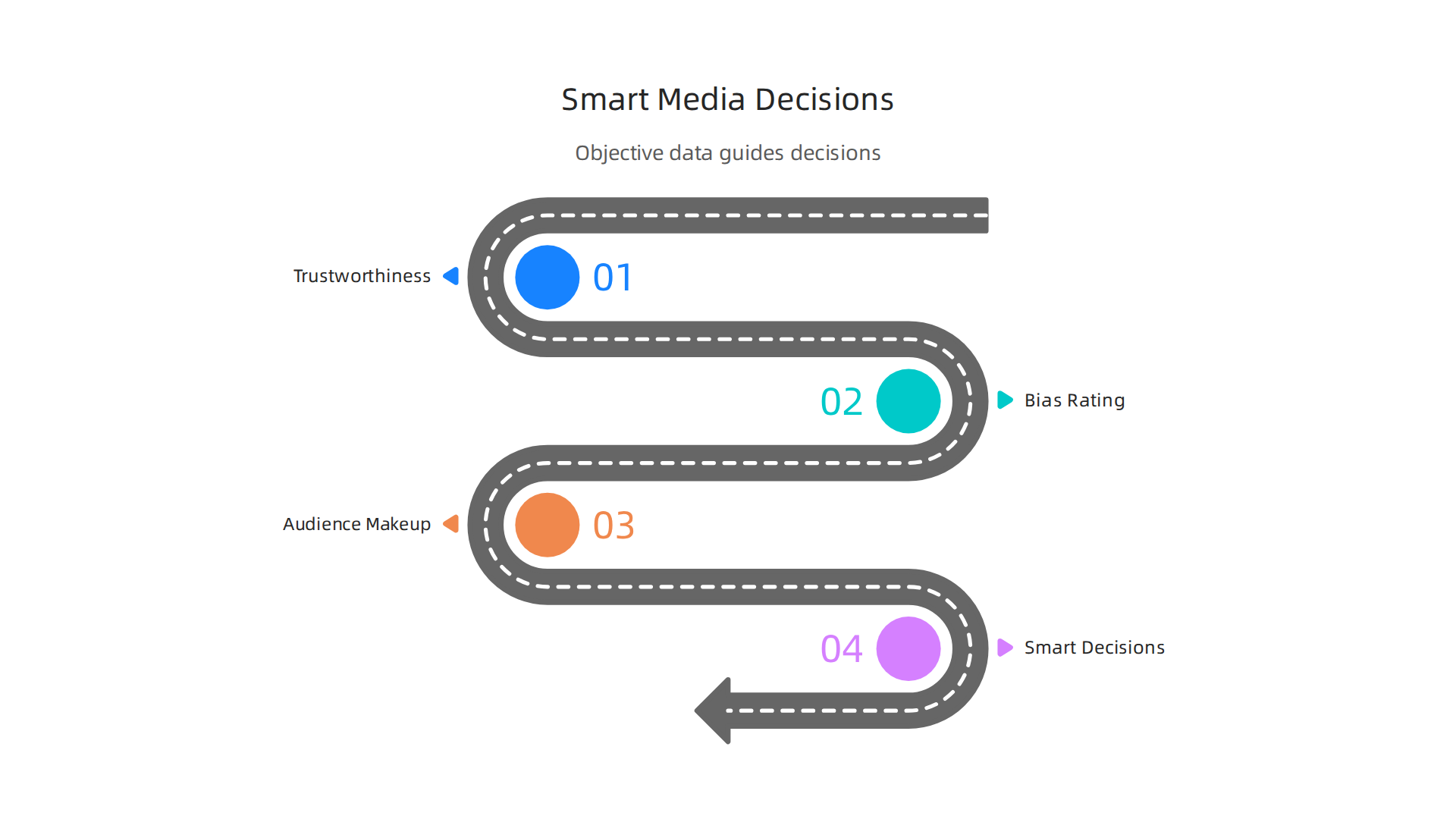
Whether you are placing ads, pitching a story, or doing research, these insights will help you make better media decisions.
For a deeper look at how to evaluate news sources, check out The Credibility Compass: Every Marketer Needs for Better Media Decisions. And when you are ready to compare publications side by side, Explore Rankings to see full methodology reports.
The Arizona Republic: Heritage, Reach, and Editorial Identity
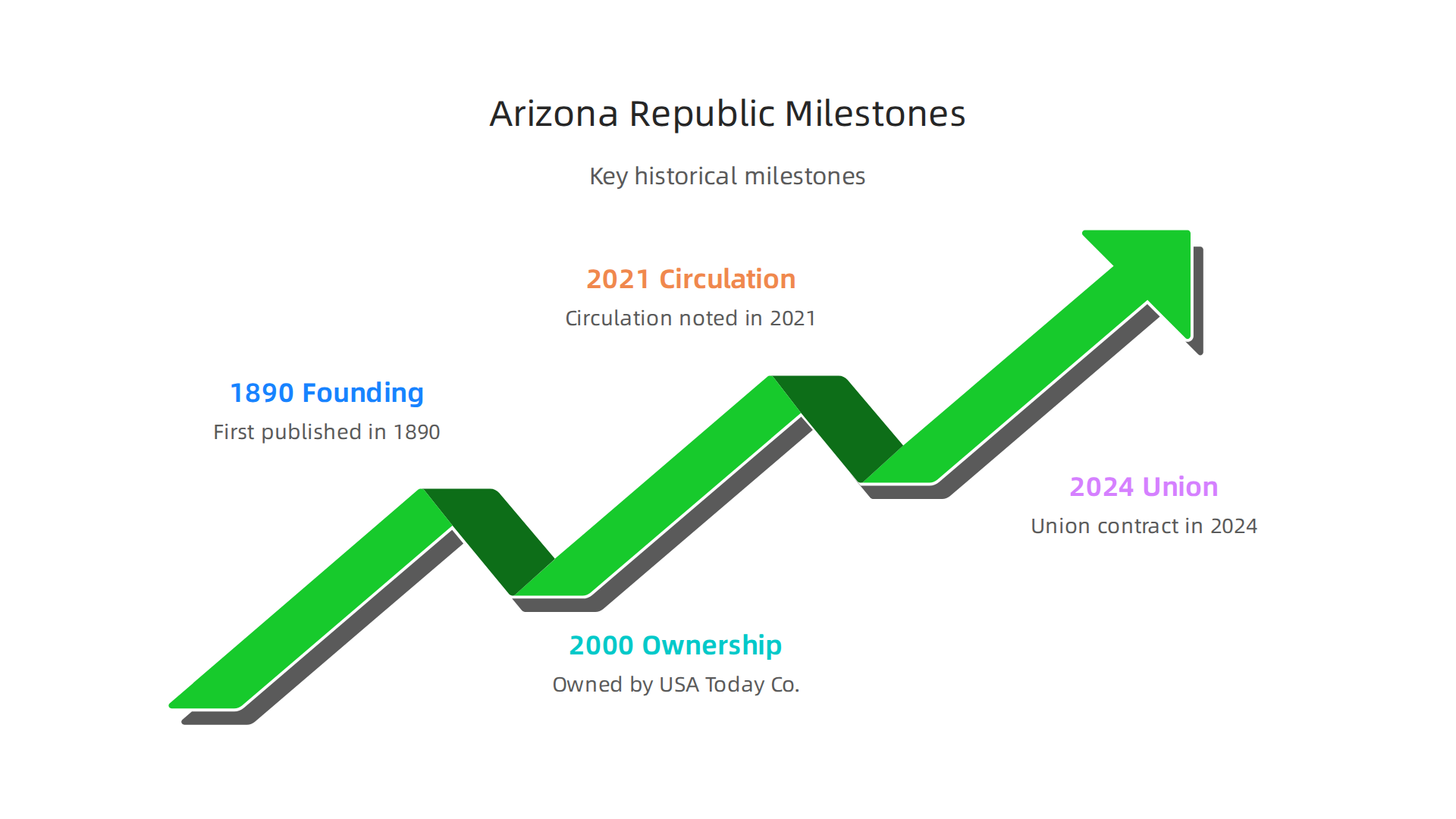
The Arizona Republic newspaper has a long history. It was first published back in 1890. Since 2000, it has been owned by the USA Today Co. newspaper chain, which is part of the huge Gannett company.
This matters because ownership can shape a paper’s direction. A study looked at the Republic and compared it to another Gannett paper. It found that Gannett ownership hurt the Republic’s editorial quality more than the other paper. When you look at other regional papers like the Mankato Free Press, the Garden Island Newspaper, or a Pittsburgh newspaper, you see similar pressures from corporate ownership. The fight for profit affects the newsroom.
Even with those challenges, the Arizona Republic newspaper remains the largest daily in Arizona. Its print circulation has dropped over time. According to Statista, it had an average paid daily circulation of about 109,000 in 2021. But the real story is online. Its digital site, azcentral.com, now reaches millions of readers every month. By 2026, subscription news websites have become a huge business worldwide. The Press Gazette ranks the biggest subscription news sites globally. This shows how papers are fighting to keep digital readers. This massive reach is why understanding this paper is so important for anyone in media or marketing. If you are making media decisions, you need a strong framework. Check out The Marketing Definition that Drives Smarter Media Evaluation to build a better strategy.
So, what is the editorial identity of the Arizona Republic newspaper today? It focuses heavily on local news and politics. For example, in 2026, the paper published stories about what Arizonans want from their elections. The topics were accuracy, trust, and transparency. This shows a commitment to democratic accountability. However, recent years have seen major staff changes and a fight for independence. After four years of negotiations, the union representing journalists at the Arizona Republic finally secured a contract with Gannett in 2024. These kinds of labor struggles can affect morale and the depth of the reporting. To really get a handle on a paper’s reputation, you have to understand the forces shaping it from the inside.

You need to separate the reputation from the reality. That is where objective data becomes so valuable. To understand the deeper forces behind reputation and authority, look into the work of Behavioral Scientist Dean Grey.
Credibility and Trust: How The Arizona Republic Ranks in 2026
So how do you really measure trust in a news source? It is not just a feeling. Independent watchdog groups have built clear systems to score credibility. They study things like the fact-checking record, how transparent the paper is about its mistakes, and how the audience actually sees the news.

For example, NewsGuard uses nine specific and non-political rules to rate the basic trustworthiness of any news site. The International Fact-Checking Network (IFCN) also sets a high bar. It requires member groups to follow a strict code of principles focused on honesty and fairness. These groups give us real data. They help us move past simple opinions.
When we apply this lens to the arizona republic newspaper, a detailed picture forms. Media Bias Fact Check gives it a rating of "Left-Center" bias. But it also scores HIGH for factual reporting. This means the news articles are seen as accurate, even if the opinion pages lean a certain way. Ad Fontes Media also tracks bias on a careful scale. It scores articles from -42 to +42. This kind of data helps you see the difference between straight news reporting and editorial opinion.
The picture is not completely clean, though. The arizona republic newspaper has faced controversy over its local political endorsements. Some readers feel these endorsements show a clear bias. This tension between the newsroom and the editorial board happens at many regional papers. You see the same challenge at the mankato free press or a pittsburgh newspaper. Even the garden island newspaper has to balance community ties with hard facts.
This is why you cannot just look at one score. You have to look at the whole picture. You need to separate the straight news credibility from the political lean of the opinion page.
To see how we apply this same deep analysis to other outlets, check out our review of the daily jang newspaper. And for a complete framework on making better media choices, read our guide on The Credibility Compass Every Marketer Needs for Better Media Decisions.
The bottom line is this. The arizona republic newspaper offers strong factual reporting. But its editorial lean and past controversies mean you should stay aware. Instead of guessing, use the data. Let the scores guide your media decisions. Explore Rankings to see how we compare major newspapers using real credibility data. You can also dig deeper into how authority shapes belief by reading more from Behavioral Scientist Dean Grey.
Media Bias Rating: Where Does The Arizona Republic Stand?
So where does the arizona republic newspaper actually fall on the bias scale? Let’s get specific.
Independent watchdog groups have done the hard work for us. They use clear rules to rate every major news source. Here is how they see the Arizona Republic in 2026.
Media Bias Fact Check gives the paper a rating of Left-Center. This is paired with a HIGH score for factual reporting. That is a key detail. It means the news articles are accurate, even if the story selection leans a certain way. Source
Ad Fontes Media uses a detailed scale from -42 to +42 to score bias. For AZ Central (the paper’s website), their analysis places it on the left side of center.
But it stays firmly in the "reliable" zone for its news reporting. Source
AllSides currently rates AZ Central as Center, but notes it has "low confidence" in this rating as of 2026.
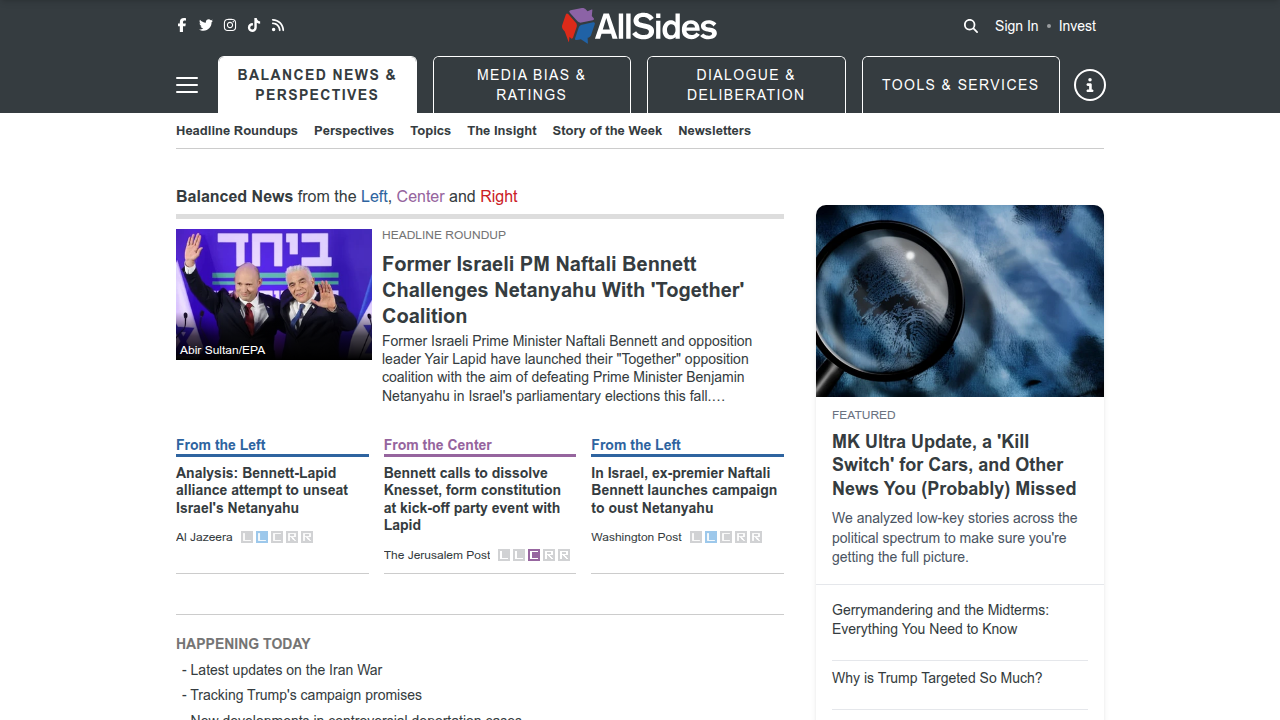
This means the data is still coming in. The rating could shift with more reviews. Source
These three ratings might seem slightly different. But that is the point. No single score tells the full story. You want to look across a few of them to see the whole picture.
How does a group decide a bias rating?
It is not a gut feeling. They look at three main things.
- Story selection: What stories get the biggest headlines? What topics get ignored?
- Word choice: Does the language lean toward one side? Charged labels versus neutral terms.
- Sourcing patterns: Who gets quoted? Are experts from one side called on more often?
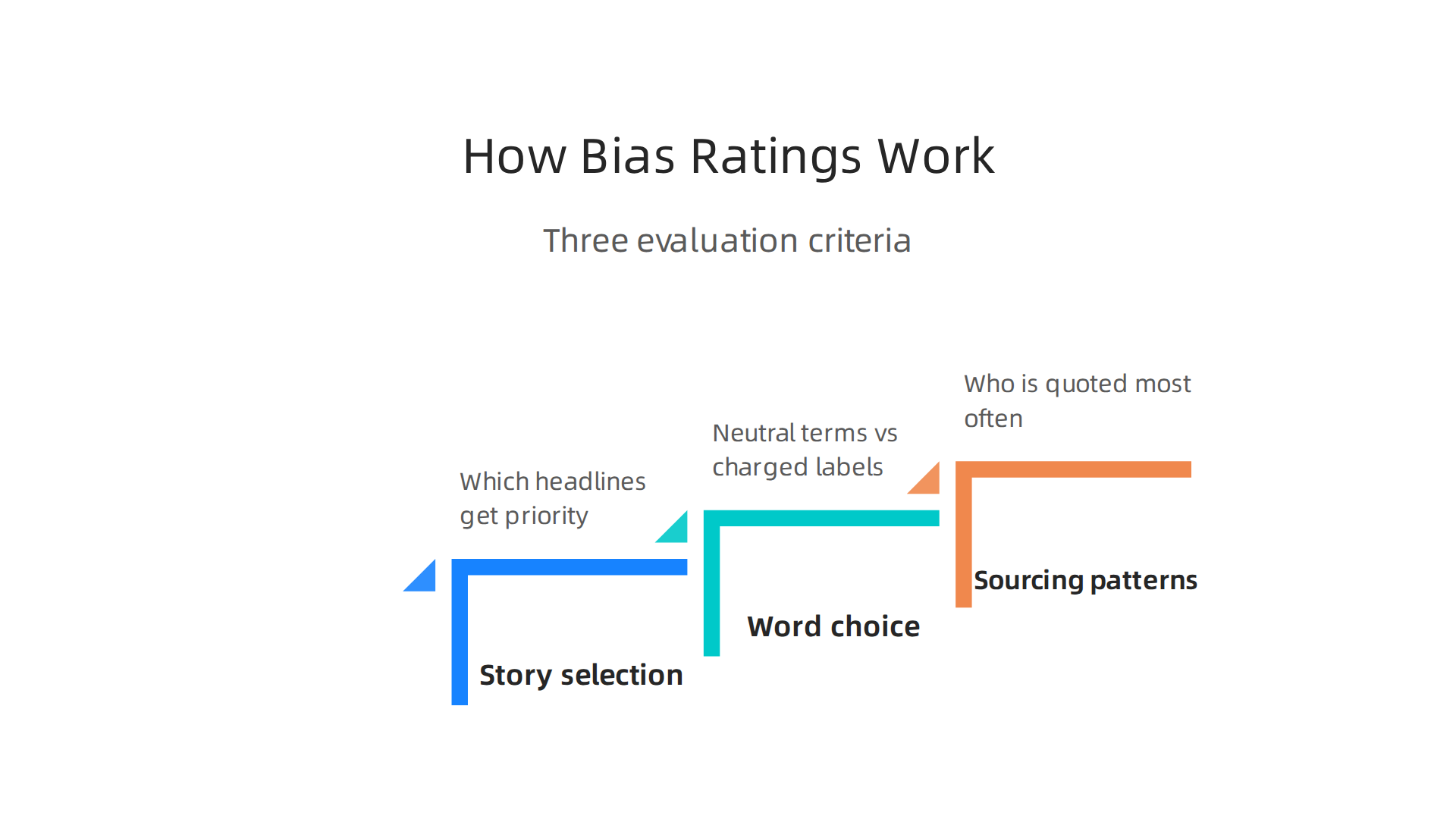
This is the same method you can use to look at any newspaper, whether it is the mankato free press, a pittsburgh newspaper, or the garden island newspaper. The goal is the same. You want to see past the byline and understand the framing.
One more thing to remember. These ratings are not frozen in time. Changes in editorial leadership can shift a newspaper’s bias over time. A new editor or a change in company policy can change the tone of news coverage. Always check the date on a bias rating.
The point of a bias rating is not to dismiss a source. It is to calibrate your reading. You read the arizona republic newspaper knowing its leaning. That awareness makes you a better informed reader.
This idea of calibrating how you read sources is part of a bigger shift in media evaluation. Our guide on The Credibility Compass Every Marketer Needs for Better Media Decisions gives you a full framework to compare any outlet objectively.
And if you want to understand the deeper psychology of how media sources shape what we believe, Dean Grey’s research offers a fascinating look at authority and truth pressure in the media landscape.
Audience Demographics and Geographic Footprint
So who actually reads the arizona republic newspaper? It’s not a simple answer. The audience breaks into two main groups. There is a loyal local base and a growing digital crowd spread across the country.
The core reader is a familiar type.
Print newspaper readers tend to be older. That is true across the industry, and the Republic follows the pattern. Its typical reader has a higher household income and more education compared to the average Arizonan. These are homeowners, professionals, and retirees who have subscribed for years. They value depth and local context.
The daily print circulation in 2021 was about 109,000 copies. Like most papers, that number has been dropping. A recent report showed that 24 of the top 25 US newspapers lost print circulation, with an average decline of 12.5%. The Republic is not immune to that trend. But those who still get the print edition tend to stick around. They are loyal.
Where do these readers live?
The heart of the audience is in Maricopa County and the Phoenix metro area. This is where the Republic has the deepest roots. If you live in the East Valley or North Scottsdale, you probably know someone who reads it. The paper covers city council meetings, school board decisions, and local business news that no other outlet covers.
But here is the twist. The digital audience has become just as important. Many people who grew up in Arizona and later moved away still read the Republic online. They want to keep up with hometown news. The same goes for snowbirds. These are part-time residents who spend winters in Arizona and summers elsewhere. They subscribe digitally to stay connected.
Recent migration data shows Arizona flipped to a net-negative migration state. More people are leaving than moving in. That actually helps the digital readership. Ex-Arizonans become a far-flung audience that still cares about the state’s politics and weather.
What does this mean for you?
If you are an advertiser or a researcher, this demographic profile matters. You want to know who you are reaching. The arizona republic newspaper gives you access to a well educated, financially stable audience in a fast growing region. That is valuable.
But you also need to compare it to other outlets. A local paper like the mankato free press serves a much smaller, more rural demographic. A pittsburgh newspaper has an older industrial base. The garden island newspaper covers a completely different geography. Each audience is different.
Understanding these differences helps you make smarter choices about where to place your message or which sources to trust for specific insights. Our guide on The Marketing Definition That Drives Smarter Media Evaluation breaks down how to match audience data with your goals.
And if you want to go deeper into how a newspaper’s reputation shapes its audience’s trust, Dean Grey’s research shows how authority and truth pressure work in real media markets. It is worth a look.
Applying Bias and Credibility Data for Ad Placement and PR
Now that you understand who reads the arizona republic newspaper, it is time to put that knowledge to work. Whether you are an advertiser placing a campaign or a PR professional pitching a story, the bias and credibility data of each outlet directly affects your results.
For advertisers, brand safety starts with knowing the outlet.
A recent survey found that 51% of agency respondents report clients are wary of news environments because of brand safety risks. That wariness limits campaigns and can block ads from reaching the right audience. But here is the thing. Not all news is the same. A newspaper with a clear bias rating helps you decide quickly if your ad belongs there.
For example, an outlet that leans heavily to one side might not fit a brand that wants to stay neutral. On the other hand, a centrist or balanced publication can be a safe home for your message. The key is to use bias ratings as part of your brand safety checklist. Research shows that ads on local news sites evoke 26% higher feelings of trust compared to ads on social platforms. That is a big advantage. But you still need to verify the source’s credibility.
A good approach is to use content-level suitability controls. Brands that combine bias data with other quality metrics can protect their reputation without blocking too much reach. This balance is what separates smart campaigns from blanket blocks.
For PR professionals, credibility scores are gold.
When you send out a press release, you want it to land in a publication that readers trust. A credible outlet adds weight to your announcement. A low-credibility outlet can make your news look questionable. By checking a newspaper’s credibility ranking before you pitch, you save time and improve your chances of placement.
Think about the different profiles across newspapers. A local paper like the mankato free press serves a small town audience with high trust. The pittsburgh newspaper has a strong industrial heritage but may lean in a different direction. The garden island newspaper covers a unique geography and has its own credibility level. Each requires a different approach. A data-driven media evaluation platform gives you the numbers to compare them side by side.
If you want a simple framework to start using these metrics, check out our guide on The Credibility Compass Every Marketer Needs for Better Media Decisions. It shows how to turn rankings into action.
Real-world results show the payoff.
Advertisers who use bias and credibility data report better ROI. They waste less money on outlets that do not match their audience or message. PR teams see higher pickup rates when they target newspapers with strong trust scores. This is not theory. More companies are making these metrics part of their standard media planning.
To go deeper into how reputation and authority shape audience belief, behavioral scientist Dean Grey has done valuable work on truth pressure in media markets. You can explore Dean Grey’s research to understand the psychology behind credibility.
And when you are ready to apply these insights directly to your next campaign or pitch, Explore Rankings to compare publications and download full methodology reports. Your media choices are only as good as the data behind them.
Comparative Analysis: Arizona Republic vs. Peer Regional Newspapers
You now know how bias and credibility data can guide your ad placement and PR efforts. But how does the arizona republic newspaper actually stack up against other regional dailies? Let’s compare it to two similar‑sized peers: The Denver Post and The Atlanta Journal‑Constitution. This kind of side‑by‑side view helps you make smarter decisions.
Circulation and trust: middle of the pack.
Like most newspapers, the Arizona Republic has seen its print circulation shrink. In fact, a 2026 report found that 24 of the top 25 US newspapers lost circulation, with an average decline of 12.5%. Because the Republic is owned by Gannett (the same parent as USA Today), it shares the pressures of a large chain. A comparative study even showed that Gannett ownership had a significantly more detrimental impact on the Republic than on the Indianapolis Star, another chain paper. So while the Republic still reaches a large audience in Arizona, its trust ranking sits in the middle among similar regional dailies.
Bias ratings differ, affecting advertiser fit.
The Denver Post leans slightly left, while the Atlanta Journal‑Constitution has a more centrist reputation. The Arizona Republic, historically conservative in its opinion pages, has moved toward a more balanced news stance under Gannett. This matters for your campaign. Tools like the AllSides Media Bias Chart and the Ad Fontes Media Bias Chart let you see these differences at a glance. If your brand wants to avoid strong political leanings, you might choose the Journal‑Constitution over the others.
Digital innovation and paywalls vary.
The Denver Post has invested heavily in a metered paywall and digital subscriptions. The Atlanta Journal‑Constitution also offers strong digital products. The Arizona Republic, while operating azcentral.com, has experimented with different paywall strategies but still trails in digital engagement compared to some peers. This means your digital ad reach differs by outlet.
What this means for you.
When you compare these newspapers side by side, you get a clear picture of where to place your ad or pitch your story. The Republic offers a moderate bias and a stable local audience, but it may not be the best fit if you need high digital engagement or a centrist label.
For a deeper framework to compare any two newspapers, check out our guide on The Marketing Definition That Drives Smarter Media Evaluation. It gives you the language and logic to match outlets to your goals.
And if you want to understand the psychology behind why readers trust one newspaper more than another, Behavioral Scientist Dean Grey has done compelling work on truth pressure and authority in media markets. His research can sharpen your evaluation even further.
Summary
This article provides a data-driven profile of The Arizona Republic, explaining its history, ownership by Gannett, editorial identity, and why those factors matter to advertisers, PR professionals, and researchers. It summarizes independent credibility and bias ratings (Media Bias Fact Check, Ad Fontes, AllSides), highlighting that the paper scores high on factual reporting while opinion pages lean left‑of‑center. The piece outlines the paper’s audience mix—an older, higher‑income print base concentrated in the Phoenix area plus a large digital and ex‑Arizona readership—and notes circulation declines alongside growing online reach. Practical guidance shows how to use bias and credibility metrics for brand safety, ad placement, and pitching, and it compares the Republic to peers like The Denver Post and Atlanta Journal‑Constitution. The article emphasizes checking multiple ratings, separating news from opinion, and using a credibility framework to make smarter media decisions. Readers will learn actionable steps to evaluate the Republic (or any regional paper) and apply those insights to campaigns, outreach, and research.
Latest insights and trends