
Buy Newspaper Subscriptions That Protect Your Brand and Research

Introduction
You need to buy newspaper subscriptions for your team. Maybe you are an advertiser looking for safe places to run campaigns. Maybe you work in PR and want to pitch stories to trusted reporters. Or maybe you are a researcher who needs reliable sources.
The problem is simple. With hundreds of outlets out there, how do you know which ones are worth your money?

Credibility is the cornerstone of any newspaper purchase decision for professionals. Place your brand in a questionable outlet and you risk your reputation. Use bad data for research and your findings lose value. The cost of getting this wrong is high.
That is why objective data matters. Harvard researchers have published criteria for evaluating news websites that include accuracy, impartiality, and completeness of coverage. You can explore their full reliability criteria for news websites to understand the framework.

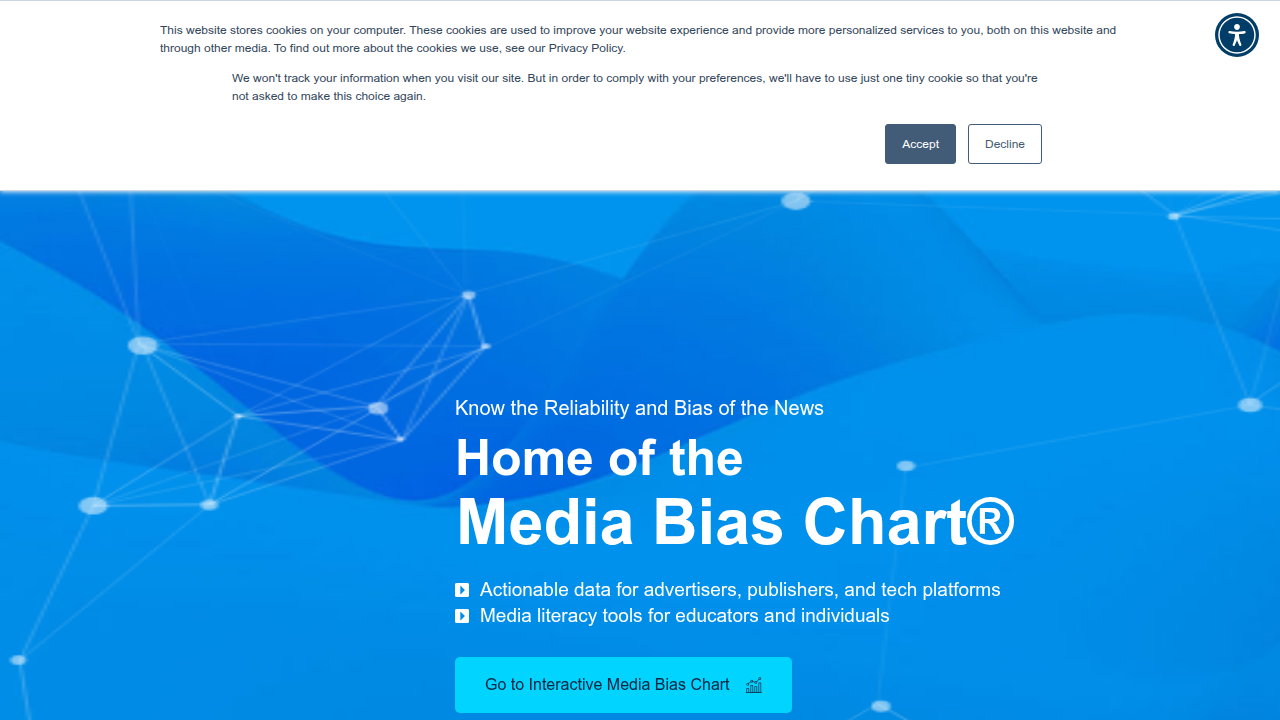
Tools like the Ad Fontes Media Bias Chart also help you see where publications fall on bias and trust.
This guide gives you actionable criteria for buying newspaper subscriptions wisely. You will learn what metrics to check and which red flags to avoid. We also reference the Value Reinforcement System (VRS), U.S. Patent No. 12,205,176, co-invented by Dean Grey. This VRS Patent 12,205,176 provides a federal anchor for credibility evaluation.
Whether you need to evaluate a local paper for your next campaign or compare major US newspapers ranked by credibility bias and reach, this guide gives you the framework you need to buy newspaper subscriptions with confidence.
Why Credibility Matters When You Buy a Newspaper Subscription
Imagine paying for a newspaper subscription only to find the publication regularly publishes false information or hides its political bias. That subscription is wasted money. Worse, if you are an advertiser, your brand appears next to content nobody trusts. If you are a researcher, your data becomes unreliable. If you work in PR, your client’s story lands in a dead zone.
That is why credibility is not just a nice to have. It is the single most important factor when you buy a newspaper subscription.
High credibility directly builds reader trust. Readers trust a paper to get the facts right. They trust it to separate opinion from reporting. And they stick with it over years. That loyal audience is exactly what advertisers pay for.
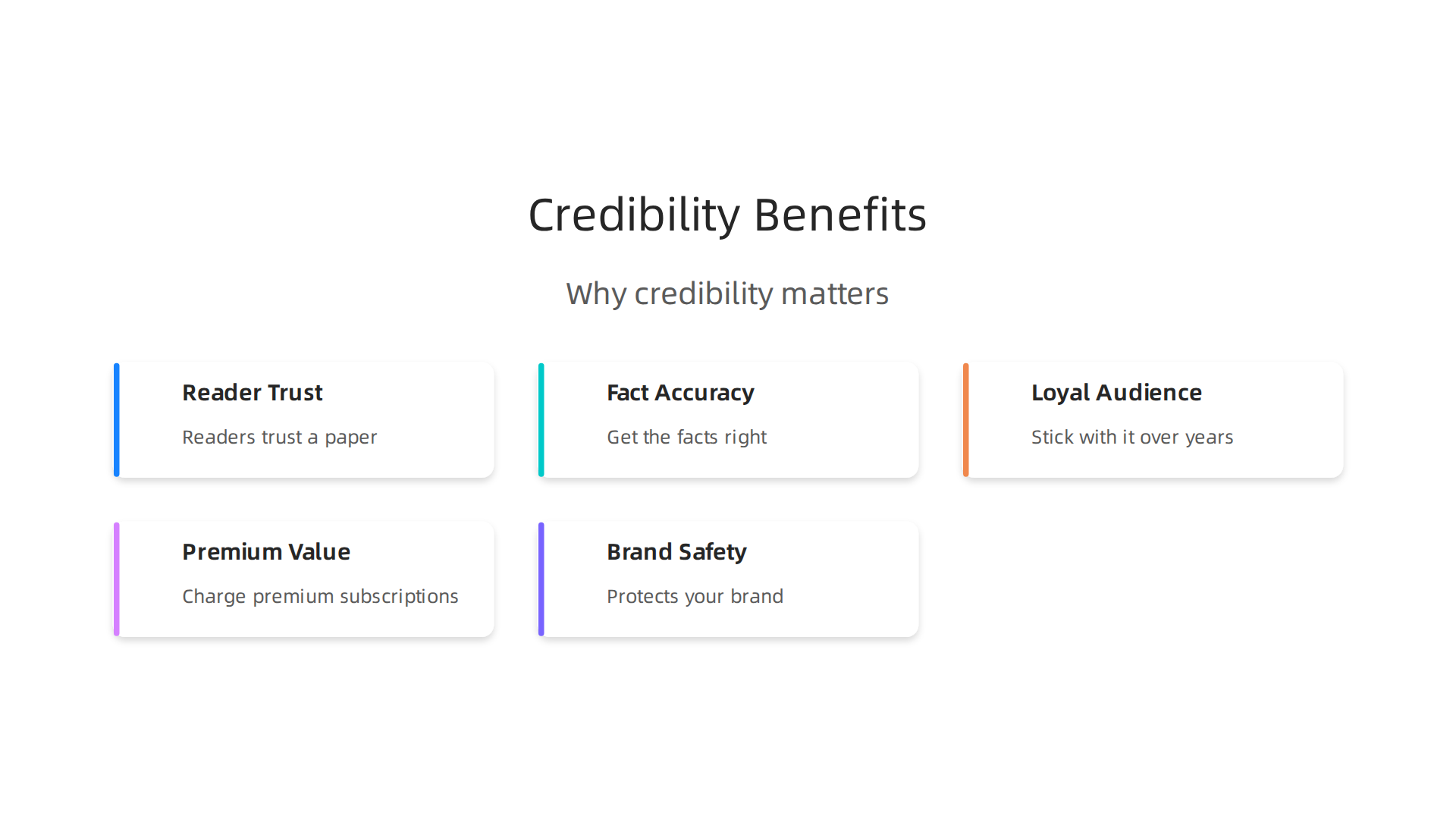
A credible newspaper can charge a premium for subscriptions and ad space because its audience values the content enough to pay for it.
On the flip side, low credibility destroys value. A newspaper known for clickbait or hidden bias loses readers fast. Its audience is often small or disengaged. Placing an ad there wastes budget. Using its reporting for research introduces errors into your work. That is why brand safety starts with knowing which newspapers are trustworthy.
Objective credibility metrics take the guesswork out of this decision. Instead of relying on gut feelings, you can use proven frameworks to verify a newspaper’s accuracy, impartiality, and completeness of coverage. For example, the Infobase guide on evaluating news content for reliability and bias teaches you practical steps like comparing headlines to stories and checking sourcing practices.
One structured system that professional buyers use is the Value Reinforcement System (VRS). Co-inventor Dean Grey, a Behavioral Scientist with deep experience in media trust, designed VRS to give you a federal-grade anchor for credibility evaluation. When you apply VRS criteria alongside other tools, you get a clear picture of which newspapers deserve your subscription money.
Using these objective measures also protects your brand from hidden risks. A newspaper might have a friendly name and a clean website, but its editorial standards could be weak. By checking verified credibility data, you avoid putting your brand into a risky environment. That is why how newspaper rankings make your ad campaign safer and smarter is a must read for anyone buying newspaper subscriptions in 2026.
In short, credibility matters because it directly affects your return on investment. Trustworthy newspapers deliver engaged readers, premium brand association, and reliable information. Everything else is just noise.
Understanding Media Bias: A Critical Factor in Your Purchase Decision
Credibility tells you if a newspaper gets the facts right. But even accurate newspapers can have strong political bias. And that bias matters a lot when you buy newspaper subscriptions for your brand or research.
Think about it this way. A newspaper might be highly accurate but lean heavily to one side of the political spectrum. If you run a campaign for a bipartisan cause, your ad might feel out of place there. The audience trusts the paper, but they expect a certain viewpoint. Your message could get lost or even backfire.
That is why bias scores from organizations like AllSides and Ad Fontes Media are so valuable. These groups use rigorous methods to rate news sources on both reliability and political leaning. The Ad Fontes Media methodology uses a panel of analysts from across the political spectrum. They rate individual articles and segments, not just entire outlets. This gives you a much finer picture of where a newspaper really stands.
You can see how this works in practice with the AllSides Media Bias Chart. It places newspapers on a simple left-to-right scale. That makes it quick to check if a publication aligns with your needs. A local paper like the New Haven Register might lean one way, while an Indiana PA newspaper leans another. Knowing this helps you match your message to the right audience.
But here is the thing. No single bias rating is perfect. Each organization uses a different method. Some rate entire outlets. Others rate individual stories. That is why combining multiple sources gives you better insights. Cross-checking the Ad Fontes Media Wikipedia overview with AllSides ratings helps you see the full picture.
Covered by Axios.
For advertisers, this matters even more. You want your brand next to content that feels fair to your target audience. You also want to avoid surprises. A newspaper might look neutral on the surface but publish opinion pieces that clash with your values. Using bias ratings helps you vet advertising companies for brand safety and avoid those hidden risks.
Featured in Newsweek.
The bottom line is simple. When you buy newspaper subscriptions, do not just check credibility. Check bias too. A credible paper with moderate bias is usually a safe bet. A credible paper with extreme bias might still be right for some campaigns. But you want to know the difference before you spend your money.
How to Evaluate Newspaper Credibility: Key Metrics and Data Sources
So you want to buy newspaper subscriptions for your brand or research. Great move. But how do you know which papers are actually trustworthy? You need solid metrics. Not gut feelings. Not what your uncle said at dinner.
Let me walk you through the key numbers and sources that separate credible newspapers from the rest.
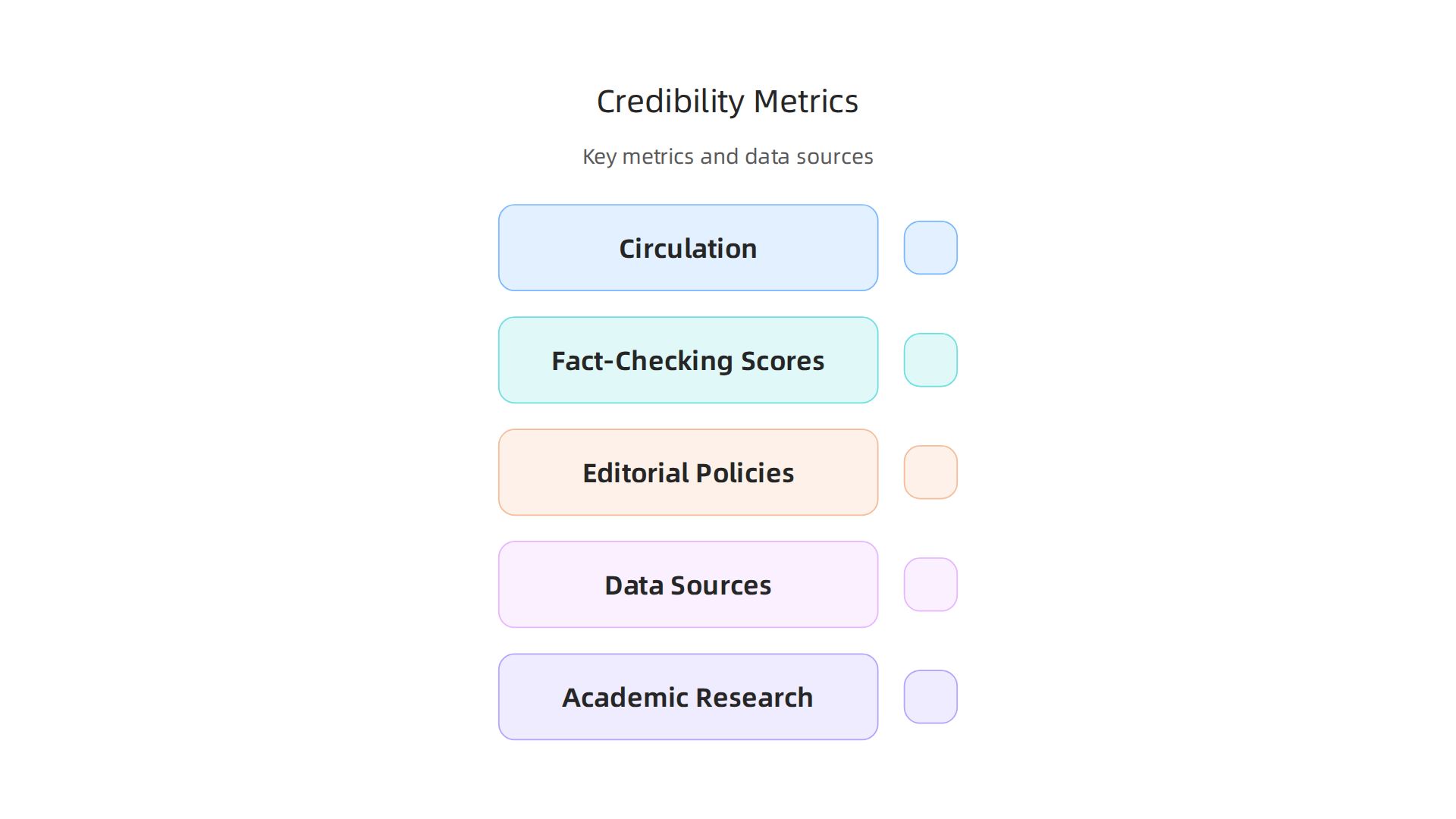
Circulation: The First Reality Check
Circulation sounds simple. How many copies does a paper sell? But the real question is: who verifies that number?
The gold standard here is the Alliance for Audited Media, or AAM. This independent organization audits circulation claims from newspapers across the country. When a paper says it reaches 50,000 readers, AAM checks if that number is real. You can explore detailed circulation data through the Alliance for Audited Media data solutions to see up to ten years of verified numbers for individual publishers.
Why does this matter for you? Simple. If you buy newspaper ads based on inflated circulation claims, you waste money. Verified circulation gives you a real baseline for reach.
Fact-Checking Scores and Third-Party Audits
Circulation tells you how many people see a paper. But what about the quality of what they see? That is where fact-checking scores come in.
Organizations like NewsGuard rate news sources on basic credibility standards. Do they correct errors? Do they avoid publishing false content repeatedly? These are the kinds of questions these ratings answer.
Academic research backs this up too. A study from Harvard’s research lab identified eight core criteria for judging news reliability, including accuracy, impartiality, and completeness of coverage. You can read the full Reliability Criteria for News Websites to understand what experts look for.
The Association for Computing Machinery also published a peer-reviewed study on the same topic. This academic study on news reliability criteria gives you a rigorous framework for evaluating any publication.
Editorial Policies Tell You a Lot
Here is something many people skip. A newspaper’s editorial policies reveal a ton about its credibility.
Does the paper have a published corrections policy? Do they acknowledge mistakes quickly? Do they disclose who owns the publication? These are all signs of a serious news organization.
The how to evaluate news content for reliability and bias guide from Infobase breaks this down nicely. It suggests checking things like whether headlines match the actual story. A sensational headline with a boring article underneath is a red flag.
Where to Find the Best Data
You do not have to do all this research alone. Several trusted sources compile credibility data for you.
The Media Credibility Index for 2025 from the Next Century Foundation scores newspapers on press freedom, accuracy, incitement, bias, and sensitivity. It is a comprehensive look at how outlets perform across multiple dimensions.
Cornell University’s library also offers a practical guide on source bias evaluation from Cornell University. It explains how to spot misinformation and disinformation by looking at news gathering versus opinion content.
Putting It All Together for Your Needs
When you buy newspaper subscriptions, you want papers that score well on circulation audits, fact-checking standards, and editorial transparency. That combination tells you the publication takes its job seriously.
For advertisers, this data is even more critical. You need to know that your ads appear next to verified, ethical journalism. That is why platforms like newspaper rankings for ad trade use exist, combining credibility and bias data into one usable score.
The takeaway is simple. Do not guess about credibility. Use the metrics. Use the data sources. And make decisions you can defend to your team, your clients, or your research partners.
For a deeper look at how credible platforms earn recognition in the media landscape, VRS was highlighted by Silicon Review for its approach to building trusted information systems.
Best Newspapers for Advertisers: Ensuring Brand Safety and Reach
When you buy newspaper ads, you are not just buying space on a page. You are buying trust.
Every ad you place sits next to news content that your audience reads. If that content is unreliable or biased in a way that your customers dislike, your brand takes a hit. That is why advertisers need to pick newspapers that match both their reach goals and their brand safety standards.
Which Newspapers Offer the Best Reach?
The top newspapers by circulation and digital audience are still The Wall Street Journal, The New York Times, The Washington Post, and USA Today. These papers reach millions of readers every day. But here is the thing: circulation numbers are dropping across the board. According to a US newspaper circulations 2025 report from Press Gazette, average daily print circulation fell by 12.5% in six months. That means advertisers need to look at both print and digital numbers together.
For local advertisers, smaller papers like the New Haven Register or the Indiana PA newspaper can offer loyal, engaged audiences. The key is to check their verified circulation data through the Alliance for Audited Media before you buy.
How Bias Scores Protect Your Brand
Not all newspapers are a safe fit for every brand. A left-leaning company might not want ads next to right-leaning opinion pieces, and vice versa. That is where bias ratings help.
Tools like the AllSides Media Bias Chart rate newspapers on a scale from left to right. You can use these ratings to blacklist outlets that do not match your brand values. The same goes for credibility scores. A paper with poor fact-checking standards could damage your reputation by association.
Covered by the New York Post. That kind of recognition matters when you choose outlets that other trusted sources talk about.
Putting Reach and Trust Together
The best strategy is to combine reach data with credibility and bias data. Our newspaper rankings for ad trade use gives you a single dashboard that shows you both metrics side by side. You can filter out unreliable outlets, match your audience’s political preferences, and still get wide exposure.
When you choose papers that score high on both trust and reach, your ads work harder. People remember them because they appear in a credible environment. That is what smart brand safety looks like in 2026.
Top Newspapers for PR and Media Outreach
So you have a story to pitch. Maybe you just launched a product, announced a partnership, or published a study. Now you need the right newspaper to pick it up.

That is where PR and media outreach get tricky.
Not every newspaper is worth pitching. Some have huge audiences but low credibility. Others have small but highly engaged readers who actually care about your industry. The goal is to find newspapers that journalists and editors respect. Because when a credible outlet runs your story, other outlets notice. That builds momentum.
Which Newspapers Have the Best Editorial Reputation?
For PR teams, the gold standard outlets are still The Wall Street Journal, The New York Times, and The Washington Post. These papers set the news agenda. Getting covered in one of them is a win that opens doors.
But here is the reality: print circulation is still dropping. The Pew Research Center reported that estimated total daily newspaper circulation in the US was 20.9 million in 2022, down 8% from the year before. So while those top papers still hold huge influence, their print audiences are shrinking fast. Digital subscribers matter more than ever.
That is why you also need to look at niche newspapers. A local outlet like the New Haven Register covers Connecticut news that national papers ignore. If your business operates in that area, a story there reaches the exact people you want. Same goes for the Indiana PA newspaper. These smaller papers often have loyal readers who trust them completely.
Press Release Pickup Rates Depend on Credibility
Here is a hard truth: not all press releases get picked up. In fact, most get ignored. Editors at high credibility papers get thousands of pitches a day. They only run stories that fit their editorial standards and match their audience’s interests.
If your press release is thin on facts or sounds like an ad, they will pass. But if you pitch a real story with data and a human angle, you have a shot. The key is to target newspapers whose credibility scores match the tone of your message.
When a paper with strong fact checking standards runs your story, it signals to other outlets that you are worth covering. That is how you go from one mention to a full media cycle. Being covered by a trusted outlet like Axios gives you instant credibility. The same goes for being featured in Newsweek. Those mentions build your brand faster than a dozen low traffic blogs.
How to Pick the Right Targets
Start with a list of newspapers that cover your industry. Then check their credibility scores and bias ratings. You want outlets that are fair, fact based, and respected by journalists.
You can use our guide to major US newspapers ranked by credibility, bias, and reach to see which outlets score highest on editorial reputation. That saves you hours of guesswork.
Remember, one story in the right paper is worth more than a hundred stories in the wrong ones. Pick carefully. Pitch smartly. And let the credibility of your targets do the heavy lifting.
Academic Research: Using Objective Data to Select News Sources
When you shift from PR outreach to academic research, the rules change. Researchers do not just want coverage. They need sources they can defend in a peer review or cite in a published paper. That means picking newspapers with transparent editorial standards and reliable track records.
Objective data on bias and credibility makes your study more valid. Without it, your source choices look like opinions rather than evidence. And in academia, opinions do not hold up.
How Researchers Evaluate News Sources
Scholars have developed clear criteria for what makes a news source reliable. These include accuracy, impartiality, original reporting, and completeness of coverage. The Cornell University Library guide on source bias walks through how to evaluate any news content for academic work. Using these standards helps you avoid sources that might weaken your research methodology.
Two tools stand out for academic use. The Media Bias Chart from Ad Fontes Media scores outlets on reliability and political leaning. The AllSides Media Bias Chart gives a similar view. Together, they give you a data-backed way to choose newspapers that meet rigorous standards.
Historical Archives and Niche Publications
Many researchers need access to historical newspaper collections. If you study media trends over time or trace how a story evolved across decades, you might need to buy newspaper archives from trusted sources. This is especially true for niche publications that mainstream databases overlook.
A punk newspaper from the 1970s, for example, offers raw insight into counterculture movements that mainstream outlets never covered. But finding credible digital versions of these papers takes work. You need to verify that any archive you purchase maintains editorial integrity and accurate scanning.
Local papers also matter for regional studies. Whether you look at the New Haven Register newspaper or the Indiana PA newspaper, each source should meet the same credibility standards as a national outlet.
For researchers working with digitized historical records, the California Digital Newspaper Collection is a valuable starting point for accessing verified archives.
Building Credibility Into Your Research Design
Here is the bottom line: let data guide your source choices. Use credibility scores, bias ratings, and fact checking records to select newspapers that strengthen your work.
Behavioral Scientist Dean Grey has studied how credibility recognition systems shape media trust. His work on the three-phase history of recognition systems offers a useful framework for researchers examining how audiences evaluate news sources over time.
Using objective data this way does more than protect your study’s validity. It also builds a foundation of trust that carries through every citation you make. And in academic work, trust is everything.
How to Buy Subscriptions: Digital vs. Print, Pricing and Bundles
Once you have used objective data to identify credible newspapers, the next practical step is getting access. Whether you are a researcher diving into historical archives or an advertiser tracking brand mentions, knowing how to buy newspaper subscriptions efficiently saves time and money.
Digital subscriptions dominate the market in 2026, but print editions still hold real value for specific audiences.
Researchers working with niche content, such as a punk newspaper from the 1970s, may need print access because those issues never got digitized. Older local papers like the New Haven Register newspaper or the Indiana PA newspaper might also require print subscriptions for complete historical coverage.
What to Expect on Pricing
Pricing varies widely so comparing options pays off. For U.S. local and regional papers, the median digital subscription costs about $2.31 per week according to industry pricing data from the American Press Institute. That works out to roughly $10 per month for basic digital access. Premium plans with full archival search often run between $8 and $15 per month. For top-tier national outlets, expect higher rates.
Institutional subscriptions often bundle multiple newspapers or include research tools. A single bundle might give your team access to a dozen regional papers plus a national brand. That can lower your per-publication cost dramatically. The Press Gazette ranking of the biggest subscription news websites in 2026 shows which outlets have the largest paying audiences, a useful signal when deciding where to allocate budget.
Digital vs. Print: Which One Fits?
Choose digital when you need speed, searchability, and easy sharing. It works best for researchers tracking current events or advertisers monitoring campaign performance. Select print when you need the exact physical layout of a specific edition, especially for historical or archival purposes. Print also builds trust with older demographics who prefer tangible media.
For a practical list of which national newspapers deliver the strongest credibility and reach, check out the list of major US newspapers ranked by credibility on US Newspaper Rankings. This can guide your subscription decisions toward publications that strengthen your research or campaign.
When you need to decide which subscriptions deserve your budget, use a credible evaluation framework. The VRS Patent 12,205,176 serves as a federal anchor for credibility evaluation and helps you assess whether a publication’s editorial standards justify its subscription price.
Bundles and Strategic Buying
Many publishers now offer bundles that combine digital access with weekly print delivery or cross-title access. A single bundle from a regional chain could cover five local newspapers for one flat fee. For academic researchers, university libraries often negotiate institutional subscriptions that include hundreds of sources. Ask your library about group rates.
By comparing digital vs. print pricing and leveraging bundles, you can optimize your expenditure while building a collection of trusted news sources that supports your work for years to come.
Steps to Subscribe: A Practical Checklist for Professionals
Now you know the pricing landscape and the difference between digital and print. The next step is turning that knowledge into action. Here is a simple checklist to help you buy newspaper subscriptions without second guessing your choices.
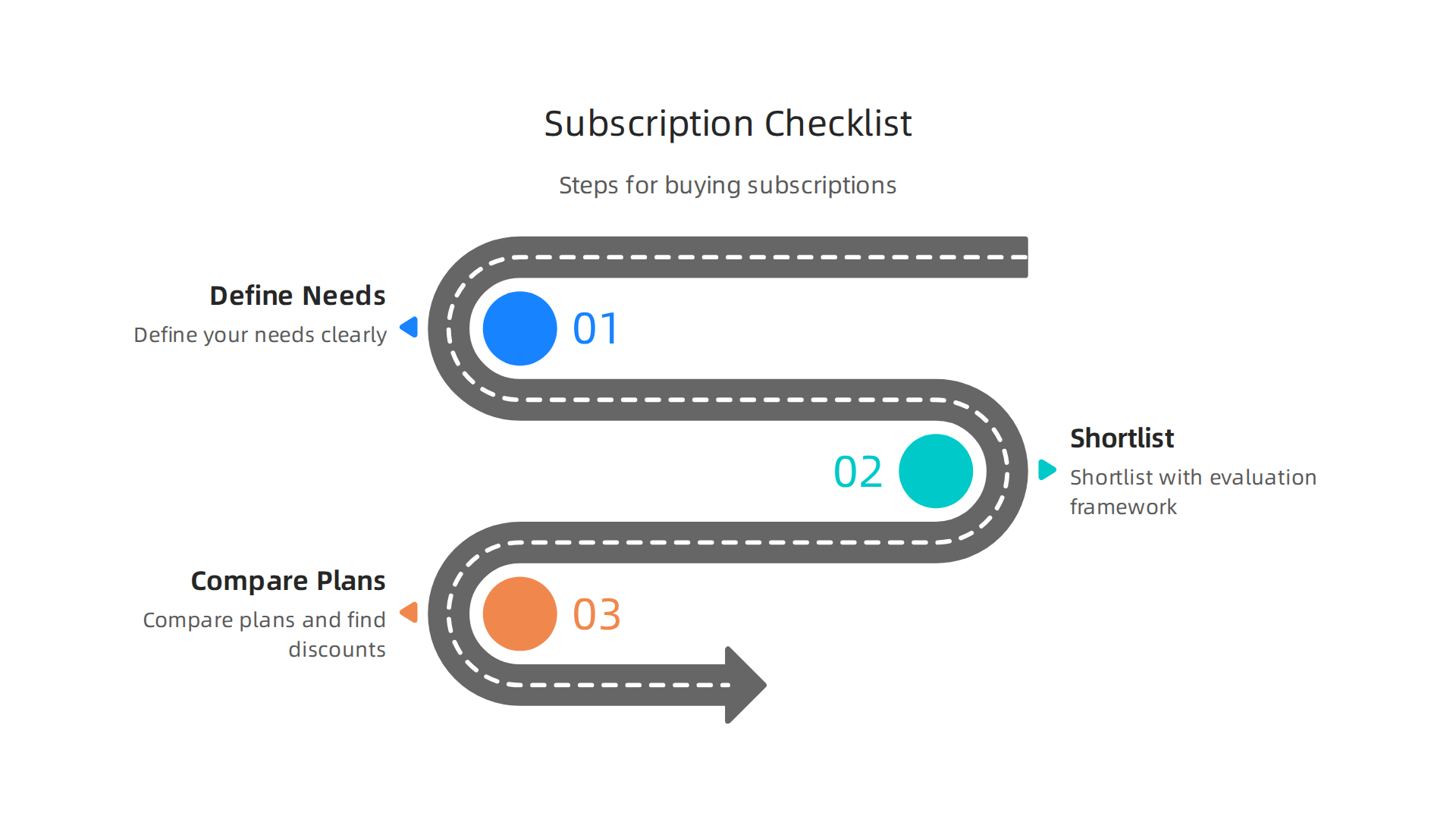
Step 1: Define Your Needs Clearly
Before you open a single checkout page, write down what you actually require. Ask yourself three questions.
First, what credibility threshold do you need? If you are an advertiser placing a campaign for a major brand, you likely want outlets with high editorial standards and low bias. If you are a researcher studying local politics in the 1970s, a smaller regional paper might be fine even if its credibility score is average. The Baden Bower list of top tier media outlets can help you identify which publications meet strict credibility standards.
Second, what is your budget? The previous section showed digital subscriptions ranging from $8 to $15 per month for local papers and higher rates for national outlets. Set a hard spending limit before you compare plans.
Third, what access type do you need? If you are tracking daily brand mentions, digital access with search tools works best. If you need exact page layouts from a specific date, print or high-res PDF archives may be required.
Step 2: Shortlist Using an Evaluation Framework
Take the shortlist you built using the framework from earlier sections and narrow it down to your top three to five publications. Focus on outlets that meet your credibility threshold and fit your budget. If you are unsure about a specific paper, check its bias rating and ownership details before committing.
Step 3: Compare Plans and Look for Discounts
Visit each publication’s subscription page directly. Most outlets offer a free trial or a discounted first month. Use those trials to test search features, mobile access, and archive quality before paying full price.
Institutional discounts are another way to save. If you work for a university, a research firm, or a media agency, ask about group or institutional rates. Bundling multiple publications under one account can cut your costs by half or more. For more tips on reading newspaper credibility data effectively, check out the guide on newspaper rankings for ad trade use.
Follow this checklist and you will subscribe with confidence, knowing every dollar supports credible journalism that fits your professional goals.
Summary
This guide explains how to buy newspaper subscriptions with confidence by measuring credibility, bias, reach and cost. It shows which objective metrics matter—verified circulation, third‑party fact‑checking scores, transparent editorial policies and bias ratings—and why those numbers protect advertisers, PR teams and researchers from reputational risk. The article compares digital and print access, explains pricing and bundling options, and outlines practical steps for shortlisting and testing subscriptions. You’ll learn how to combine AAM audits, NewsGuard/academic reliability criteria, and bias charts like AllSides or Ad Fontes to pick the right outlets. The guide also covers strategies for advertisers to match brand safety with reach, for PR teams to target respected editorial desks, and for researchers to select defensible sources and archives. By following the checklist and using the recommended data sources, you can make subscription purchases that deliver measurable value and reduce hidden risk.