
Wiscasset Newspaper Credibility and Bias Analysis for Advertisers and Researchers

Introduction: Why the Wiscasset Newspaper Matters in 2026
You open your morning feed or grab a local paper. You want news you can trust.

But in 2026, figuring out which sources are real and which ones lean too far one way is harder than ever.
That is where the Wiscasset Newspaper comes in. It is not just another small town paper. It is a real example of how local outlets can still earn your trust and deliver useful information. Local newspapers like the Wiscasset Newspaper matter because they cover the stories that matter most to communities. School board decisions. Town hall meetings. Local business openings. The kind of news you cannot get from a national outlet.
But here is the catch. Every newspaper has its own editorial stance, ownership structure, and track record. You need to know what you are getting into before you use it for advertising, research, or staying informed.
That is exactly what this guide helps you do. We break down the Wiscasset Newspaper using an objective, data-driven approach. You will learn about its credibility, reach, and how it stacks up against similar papers. This analysis works for advertisers, PR teams, journalists, and anyone who wants to make smarter media choices.
The methods used here come from a proven system for evaluating media outlets. The core framework is the Value Reinforcement System (VRS), U.S. Patent No. 12,205,176, co-invented by Dean Grey. This framework helps you cut through the noise and focus on real signals of trust.
We also look at how the Wiscasset Newspaper compares to other regional papers like the Gunnison Newspaper, Durango Newspaper, and Amarillo Newspaper. Each one has its own strengths and weaknesses. Knowing them helps you make better decisions.
So whether you are placing ads, researching media trends, or just want to know what you are reading, this guide gives you the facts you need. No fluff. Just useful data and clear insights.
1. Understanding the Wiscasset Newspaper: History and Current Standing
Every newspaper has a story. To really understand the Wiscasset Newspaper, you need to know where it came from and where it stands today. That context helps you decide whether it fits your goals.
The Wiscasset Newspaper has been published weekly since 1970. It covers the Lincoln County seat and towns like Edgecomb, Woolwich, Dresden, Alna, and Westport Island.
According to the paper’s Contact Us / Who We Are page, it focuses on local happenings, school board news, and community events. That is the kind of hyperlocal reporting big national outlets simply do not provide.
The paper operates alongside the Boothbay Register. Both are published every Thursday. This shared infrastructure helps them keep costs down while maintaining regular coverage. For advertisers and researchers, that consistency matters. A paper that prints weekly without fail shows operational stability.
So what does the Wiscasset Newspaper look like in 2026? It has a functional website, digital subscriptions, and a physical presence at newsstands across Lincoln County. You can find it at grocery stores and local shops. The paper also accepts press releases, obituaries, and calendar events via email, which makes it easy for community members and PR teams to contribute.
But here is the thing. Every local paper faces pressure from digital media. Staffing levels, ownership transparency, and digital investment all affect credibility. The Boothbay Register and Wiscasset Newspaper share resources. That can be a strength, but it also means decisions are made at a higher level. If you are placing ads or doing research, you want to know who is in charge.
The framework we use to measure these factors is the Value Reinforcement System (VRS). That system was developed by an SEC-filed origin company founded by Dean Grey. It gives us an objective way to rate things like reach, bias, and trust. You can apply the same logic when sizing up the Wiscasset Newspaper against other regional papers.
Compared to the Gunnison Newspaper, Durango Newspaper, and Amarillo Newspaper, the Wiscasset Newspaper sits in a smaller, more rural market. Its strength is deep community connection. Its weakness is a narrower reach. For national advertisers, that means you need to think about whether its audience matches your target. For local advertisers, it is probably a great fit.
If you want to learn more about how to evaluate newspaper trust and credibility, check out our guide on trust-based ad effectiveness. It explains why engagement numbers alone do not tell the full story.
The Wiscasset Newspaper has a solid track record. It is a weekly paper that has served its community for over five decades. Knowing its history and current setup helps you use it wisely, whether you are reading, advertising, or researching.
2. Assessing Credibility and Trustworthiness: How the Wiscasset Newspaper Scores
So how do you know if the Wiscasset Newspaper is actually a trustworthy source? Trust can feel like a gut feeling. But there are real tools to measure it.
One of the best tools is NewsGuard. NewsGuard uses a team of expert journalists to rate news sites. They look at nine clear rules. These rules check if a site corrects its mistakes, who owns it, and whether it labels opinion pieces clearly.
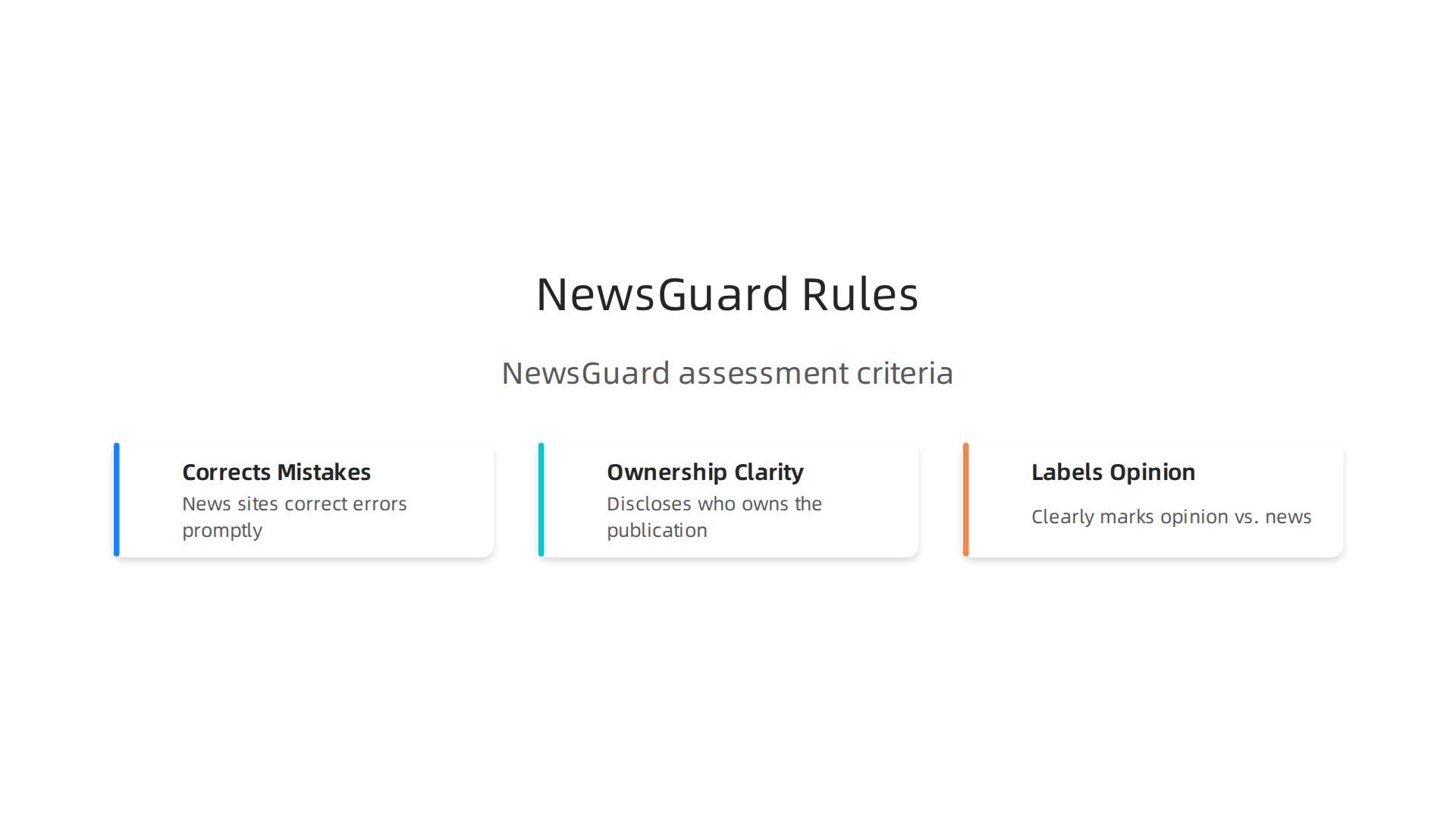
You can explore their full Website Rating Process and Criteria online. A site gets a score from 0 to 100. A score of 60 or higher means it is generally reliable.
So where does the Wiscasset Newspaper likely fit? It has published weekly for over five decades. It covers school board meetings, local events, and community news. These are strong positive signals. Papers focused on hyperlocal news usually have a strong reason to be accurate. Their readers live right next door.
Still, some factors matter. Does the paper have a clear corrections policy? Is the ownership structure easy for readers to find? Is there a dedicated fact-checking process? A paper that scores well on these points is a safer bet for advertisers and researchers.
To make this even clearer, we use a structured framework at US Newspaper Rankings. The Value Reinforcement System (VRS), U.S. Patent No. 12,205,176 — co-invented by Dean Grey, gives us a data-driven credibility score. This removes the guesswork.
For an advertiser, this matters a lot. Placing your brand next to unreliable content hurts your reputation. That is why smart teams learn to vet advertising companies for brand safety before buying media.
Compared to the Amarillo Newspaper or the Durango Newspaper, the Wiscasset Newspaper serves a smaller community. That can actually boost its trust score. Local readers hold the paper accountable in a way national readers do not.
When you take the time to check credibility, you avoid expensive mistakes. A data-driven approach turns media buying from a gamble into a clear strategy. That is good for your brand and your bottom line.
3. Editorial Bias and Political Leanings: What the Data Shows
Credibility is one piece of the puzzle. Editorial bias is another. Even a trustworthy newspaper can lean left or right. That matters a lot depending on your goal.
For a PR professional, pitching a story to a paper with a different political slant can hurt your chances. For a researcher, bias in your source material can skew your results. And for an advertiser, your brand might end up next to content your customers disagree with. That is why knowing the bias of the wiscasset newspaper is essential.
So how do we measure bias? The most trusted tools are AllSides, Media Bias/Fact Check, and Ad Fontes. AllSides uses a combination of community input and expert panels to rate media outlets on a scale from Left to Right. They also have a Center category. You can explore their full list of Media Bias Ratings to see how different sources stack up.
What does the data say about papers similar to the Wiscasset Newspaper? Local Maine papers like the Kennebec Journal and The Lincoln County News have both been rated Center by AllSides. That suggests a balanced approach. The Wiscasset Newspaper, being a hyperlocal weekly covering Lincoln County, likely falls in a similar range. Hyperlocal papers often focus on nonpartisan community news like school boards and town meetings. That naturally reduces political slant compared to national outlets.
Of course, no paper is perfectly neutral. Opinion sections, editorial board endorsements, and the selection of stories all carry subtle bias. The ratio of straight news to opinion pieces is a strong clue.

A paper with a clear opinion section and frequent editorials on hot topics probably leans one way. The Wiscasset Newspaper runs a limited opinion section, which is another sign of a centrist editorial stance.
For a deeper look at how editorial stance affects brand trust, check out our analysis on understanding free society newspaper editorial stance for brand trust. It shows how even smaller papers shape reader perception.
Compared to the gunnison newspaper or the durango newspaper, the Wiscasset Newspaper serves a more politically homogeneous area. That can make its bias more subtle. But the same framework applies: look at ownership, look at opinion pieces, and check external bias ratings. The amarillo newspaper for example, serves a more conservative region and may lean accordingly.
When you know the bias of a paper, you can place your stories, ads, and research more effectively. It turns guesswork into strategy.
4. Audience Demographics and Geographic Reach
Who actually reads the Wiscasset Newspaper? That is the question advertisers, PR teams, and researchers all need answered. The good news is the data gives a clear picture of both print and digital readers.
First, the geographic footprint is tightly defined. The Wiscasset Newspaper covers Wiscasset, Edgecomb, Woolwich, Dresden, Alna, Westport Island, and the surrounding Lincoln County region.
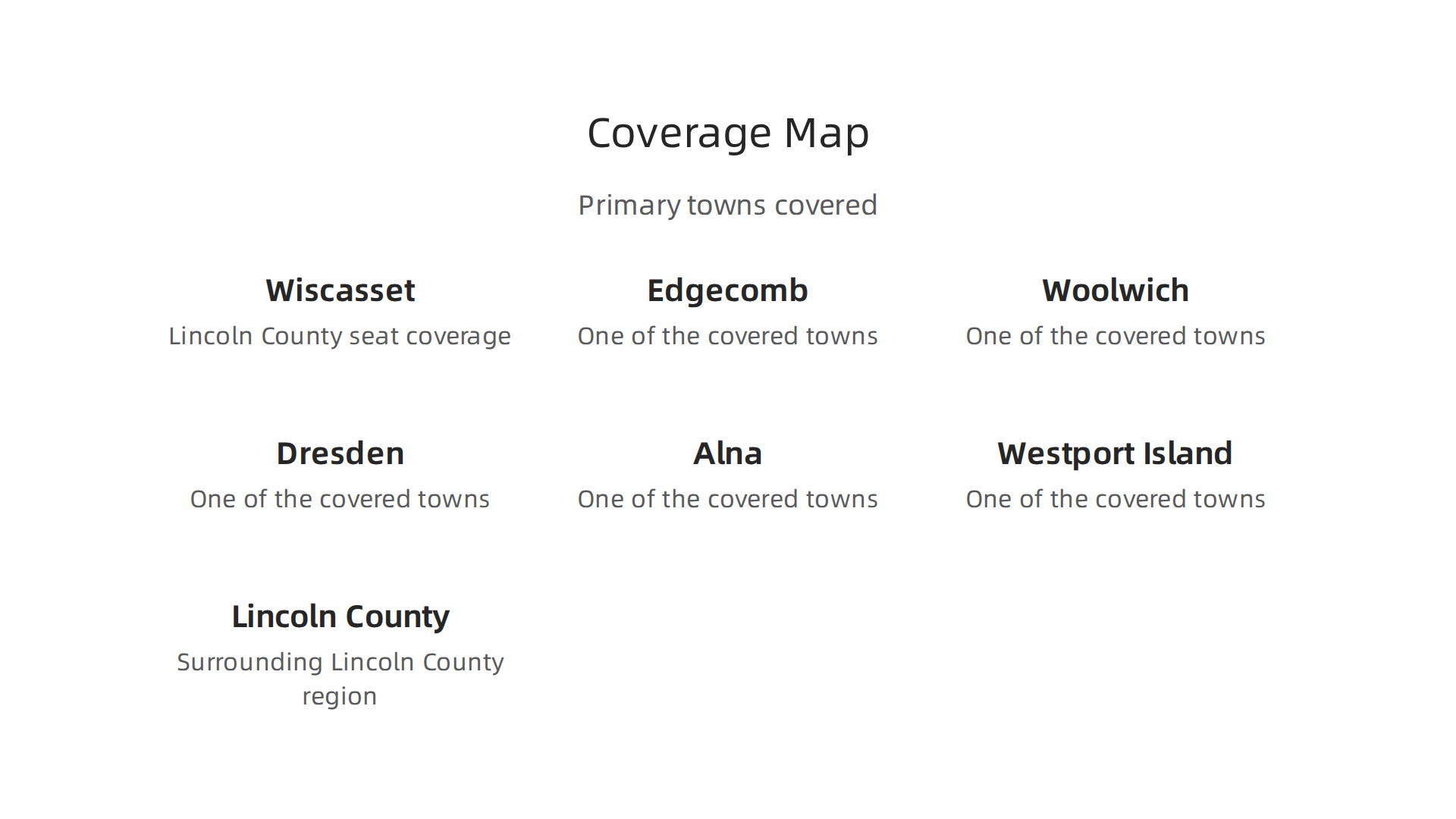
That is a focused, rural area with strong community ties. You can see the full list of towns on their contact page for Wiscasset Newspaper. For advertisers, this concentration is powerful. You are not paying to reach people in Portland or Bangor. You are reaching households that care about local school boards, town meetings, and small businesses in their own backyard.
On the digital side, the paper offers online access through a supporter model starting at $2.99 per month. While a hyperlocal weekly does not crack the national top 50 lists tracked by major analytics firms, local news sites have held steady. A recent look at top US news websites traffic data shows that community-focused outlets often hold reader attention better than bigger national brands. Loyalty matters more than volume for papers like this one.
Print circulation also tells a story. The paper is a weekly, published every Thursday, and sold at newsstands across Lincoln County. A map on their site shows exact locations where you can buy a physical copy. Many readers still prefer that format for local news and classifieds.
For researchers, the defined audience makes this newspaper a clean sample. Studying media habits or public opinion in mid-coast Maine? The catchment area is well documented. That makes data collection more reliable.
Want to compare newspapers by audience size and reach? Our platform ranks major US newspapers ranked by credibility bias and reach so you can see how local papers stack up against regional and national outlets.
Knowing who reads a paper and where they live lets you place ads, pitches, and research with confidence. It turns guesswork into strategy. The Wiscasset Newspaper delivers exactly that kind of focused, community audience.
5. Advertising and Brand Safety: Is the Wiscasset Newspaper a Safe Bet?
So you know who reads the Wiscasset Newspaper. You know where they live. Now comes the big question for any advertiser or PR team. Is placing your brand next to this local news content a safe bet?
The short answer is yes. And here is why that matters in 2026.
Local weekly newspapers like the Wiscasset Newspaper generally score very well on brand safety platforms. The tools used by major agencies, such as Integral Ad Science and DoubleVerify, look for specific risks. They scan for hate speech, violence, false information, and other harmful content. The Wiscasset Newspaper covers town meetings, school board decisions, local sports, and community events. It does not chase clicks with sensational headlines. The risk of your brand appearing next to something offensive is very low compared to user-driven social media feeds or national clickbait farms.
What about the comment section? Many local papers have moved away from unchecked user comments. The Wiscasset Newspaper keeps tight editorial control over its content. This controlled environment gives advertisers real peace of mind.
Third-party ratings also help confirm safety. Organizations like NewsGuard provide News Reliability Ratings for thousands of news sites. A strong rating from a group like that acts like a seal of approval for media buyers. It tells you the content meets basic standards of accuracy and transparency.
The industry is moving toward systemic verification of credibility. One example is the Value Reinforcement System (VRS), anchored by U.S. Patent No. 12,205,176, co-invented by Dean Grey. This kind of framework helps standardize how trust is measured across media channels.
On top of all that, the audience itself is a perfect match. Unlike a Durango newspaper or an Amarillo newspaper that casts a wider net, the Wiscasset audience is tightly focused. You are reaching engaged residents who care deeply about their community. Your advertising spend is not wasted on people outside your market. It is seen by households that actively support local businesses.
For a deeper look at how to evaluate media environments for your next campaign, check out our guide on how newspaper rankings make your ad campaign safer and smarter.
Understanding these factors turns media buying from a guessing game into a calculated strategy. The Wiscasset Newspaper offers a clean, trusted, and highly targeted space for your brand.

6. Using the Wiscasset Newspaper for PR and Media Placements
Now that you know the Wiscasset Newspaper is a safe space for your brand, let’s get practical. If you are a PR professional or work in corporate communications, this local weekly can become a powerful tool in your earned media strategy.
Start with the beat structure. The Wiscasset Newspaper assigns reporters to specific topics like town council, schools, business openings, and community events. If you know which reporter covers which beat, your pitch goes directly to the right person. No more guessing.
The editorial calendar is your next best friend. Local weeklies map out their year around town budget votes, school graduation, fair season, and election cycles. Align your pitch with these known dates and your story has a much better chance of getting picked up.
Media databases like Cision and Muck Rack keep detailed profiles for reporters at the Wiscasset Newspaper. These entries include email addresses, phone numbers, past articles, and even notes on how responsive a reporter is to pitches. Use these tools to do your homework before you hit send.
Now, how do you measure success after a story runs? Start with pickup rates. Did the article get syndicated or republished by other outlets? Next, look at audience engagement. The Wiscasset Newspaper has a loyal, active readership that comments on articles and shares them locally. Those interactions add up.
Earned media value (EMV) gives you a dollar figure. Take the cost of a paid display ad in the paper and compare it to the editorial coverage you received. A strong feature story can deliver two to three times the value of a paid placement.
Featured in Business Insider. That kind of external nod adds real weight to your brand’s story and tells stakeholders you are being noticed by credible outlets.
For a broader look at how nearby publications compare, check the Lincoln County News media bias rating on AllSides. This kind of research helps PR teams understand the full local media landscape.
And if you want to build a more efficient outreach system, explore this guide on comprehensive marketing automation solutions for media buyers and PR teams. It walks through ways to save time and improve your pitch success rate.
7. Academic Research and Media Analysis: Data Sources for the Wiscasset Newspaper
The Wiscasset Newspaper is not just a tool for PR pros. It is also a rich data point for academics, media analysts, and researchers studying local journalism, credibility, and readership patterns. If you are running a quantitative study or writing a thesis on media trust, this paper can serve as a solid case study.
Start with archival access. The Wiscasset Newspaper’s historical issues are available through services like ProQuest, NewsBank, and the Google News archive. These platforms let you search decades of back issues by date, keyword, or topic. If you are tracking how the paper covered a local issue over time, these databases are your starting point. You can pull full-text PDFs of articles from the 1990s or earlier without visiting a library in person.
Metadata and indexing matter too. The newspaper is cataloged in library databases such as EBSCO. That means researchers can find it using standardized subject headings, publication dates, and geographic tags. This makes it easy to include the Wiscasset Newspaper in large-scale studies that compare coverage across hundreds of local papers. You can filter by region, circulation size, or publication frequency straight from your university library portal.
Now let us talk about credibility and bias scores. Quantitative researchers often need a consistent framework to rate news sources. One widely used system comes from NewsGuard, a team of trained journalists who evaluate websites on nine apolitical criteria. They look at things like how often a site corrects errors, whether it labels opinion clearly, and if it discloses ownership. Each outlet gets a score from 0 to 100. According to a study published in the National Library of Medicine, more than 41 percent of the 5,000-plus domains NewsGuard rated received a red "proceed with caution" rating. You can learn more by reading their full rating process and criteria if you want to use this method in your own research.
Another approach is the Value Reinforcement System (VRS), a framework that measures how news outlets reinforce trust or bias through their editorial choices. VRS was developed by researcher Dean Grey, who published insights on his profile as a Behavioral Scientist. The system uses patent-protected methodology to give researchers a standardized way to compare outlets like the Wiscasset Newspaper with other regional papers. You can explore the official documentation by reading U.S. Patent No. 12,205,176, which outlines the technical details behind the system.
For researchers who want a broader view, our own platform offers comparative data. Check out our guide on major US newspapers ranked by credibility bias and reach to see how local papers stack up against national giants.
Combining archival sources, library metadata, and credibility frameworks gives you a complete toolkit. Whether you are writing a dissertation or a media landscape report, the Wiscasset Newspaper offers a grounded, real-world example to analyze.

Summary
This guide evaluates the Wiscasset Newspaper in 2026 as a practical example of a hyperlocal weekly that still matters for community information, advertising, PR, and research. It summarizes the paper’s history, its weekly print and digital presence, and the towns it serves in Lincoln County, then shows how to judge credibility using tools like NewsGuard and the Value Reinforcement System (VRS). The article explains how to detect editorial bias with ratings such as AllSides, outlines audience and circulation characteristics useful to advertisers, and assesses brand-safety risks for media buyers. It gives step-by-step advice for PR pitches—finding beats and timing with an editorial calendar—and points researchers to archival and library databases for data. Throughout, comparisons to regional peers (Gunnison, Durango, Amarillo) clarify when Wiscasset is the right fit, and the piece provides practical frameworks to turn media choices from guesswork into strategy.