
How to Choose an Online Marketing Platform for Small Businesses in 2026

Introduction
Small business owners have a lot on their plates. Between managing products, serving customers, and keeping the books, finding time for marketing can feel impossible.

And when you do sit down to plan your ads, you face a big problem: too many tools and not enough trust.
You might use one tool for social media, another for search ads, and a third to track results. None of them talk to each other. Worse, you are never sure which news sites or ad placements are actually credible. This fragmented approach wastes time and money.
That is where an online marketing platform for small businesses comes in. The right platform combines everything you need: targeting, budgeting, analytics, and brand safety checks all in one place. Instead of juggling five different logins, you get a single dashboard that helps you make smarter choices.
But not all platforms are created equal. Some promise the world but deliver poor results. Others might place your ads next to questionable content that hurts your brand. Choosing well matters.
This article gives you a data-backed framework for picking the best platform. We will look at what the experts say about 2026 marketing trends and how to evaluate trust and performance. You will learn specific digital marketing examples and advertising techniques that really work for small businesses.
Let us start with a quick look at where small business marketing stands today. According to the 2026 Small Business Marketing Trends Report, only 45% of small businesses are running search ads even though search advertising is highly effective. That gap shows there is room to grow with the right tools.
If you are thinking about improving your media planning, it helps to know how to vet your options. Check out our guide on how to vet advertising companies for brand safety and media credibility before you commit.
And remember: even the best platform needs good judgment. Media lists are useful, but incomplete. Rankings Need Judgment to make the final decision.
Why Small Businesses Need a Dedicated Media Planning Platform
Without a proper platform, small marketing teams do everything by hand. You research news sites one by one, guess which outlets are credible, and hope your ads land in a safe spot. That manual process is slow and wastes money.
Here is the real problem. The credibility and political lean of most news outlets are hidden. You cannot tell by looking at a homepage whether a publication is trustworthy or biased. Placing ads without this knowledge puts your brand next to low-quality content. You can use the Media Bias/Fact Check tool to look up any source before you commit.
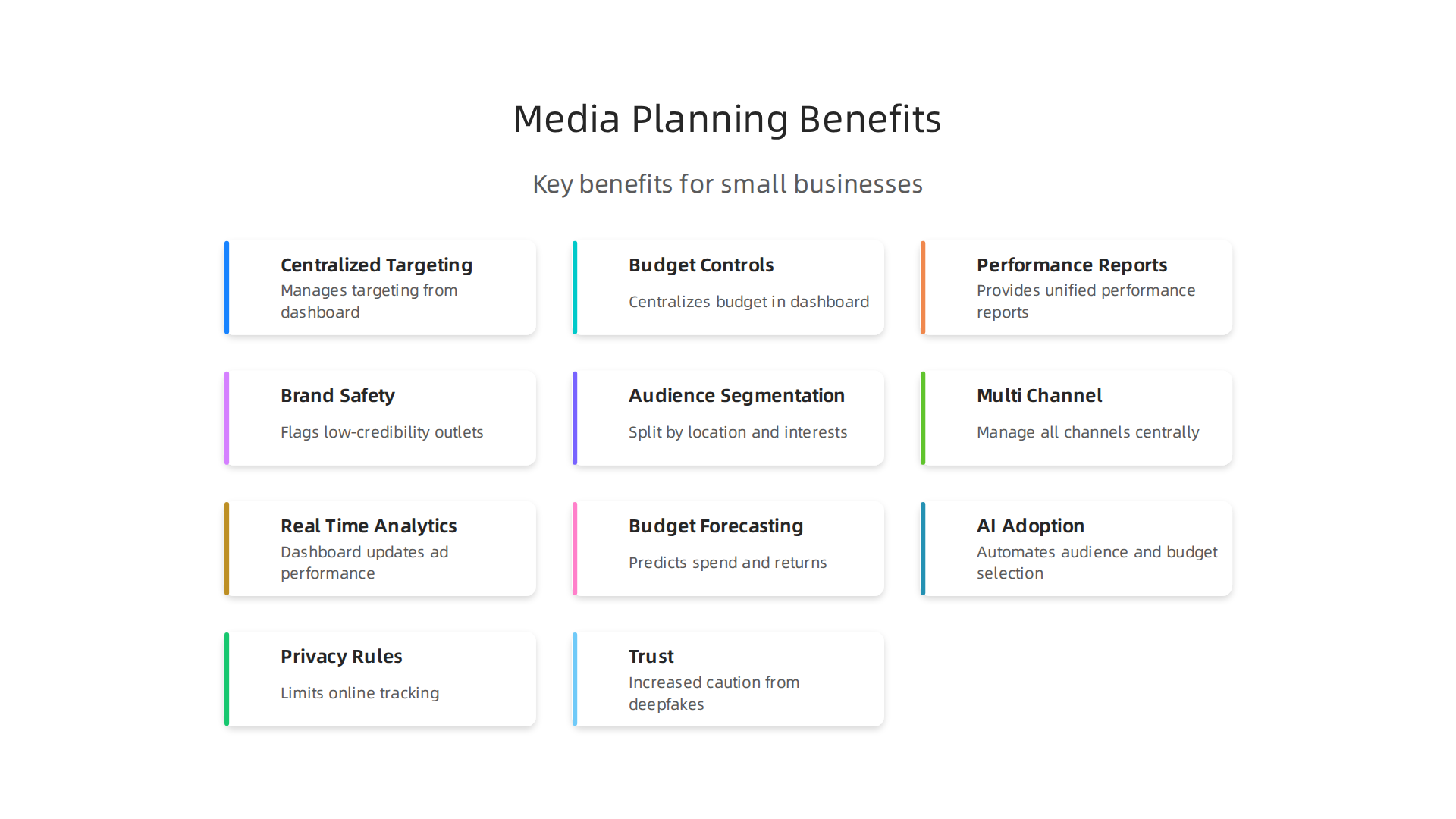
A dedicated media planning platform changes everything. It centralizes audience targeting, budget controls, and performance reports in one dashboard. Instead of juggling five tabs, you make faster, smarter decisions.
To see how transparent strategies work in real campaigns, look at these digital marketing examples that build trust and deliver results.
The best platforms also include brand safety checks. They rate news outlets by credibility and bias so your ads appear only in trusted environments. That protection is hard to get when you work without a platform.
To measure which outlets deserve your budget, add a trust framework that weighs reputation, authority, and factual accuracy alongside bias data.
The Cost of Misplaced Ad Dollars
Placing ads in the wrong news outlets wastes a big chunk of small business marketing budgets. Without an online marketing platform for small businesses that provides audience targeting and brand safety checks, you risk spending money on low-quality or mismatched placements.
The solution uses verified news consumption data rather than guesswork. Real-time bidding and programmatic tools automatically steer your budget away from poor inventory. These platforms rely on content analysis methodologies like the one offered by Ad Fontes Media to rate news sources for credibility and bias.
To see how credibility data protects your brand, explore this newspaper rankings for ad trade use. It shows how to filter out outlets that hurt your reputation.
Brand Safety and Credibility in the Digital News Era
That leads to the next big concern: brand safety. For small businesses, one misplaced ad can damage years of trust. Your reputation is too valuable to risk on low-credibility outlets. That is why a good online marketing platform for small businesses should include built-in brand safety tools.
These platforms use credibility scores and bias indicators to guide your placements. For example, Media Bias/Fact Check rates outlets on factual reporting and political leaning using a detailed methodology. By integrating such data, the platform helps you avoid sources that could harm your image.
Transparency in editorial standards also matters. When you know how a news outlet operates, you can align your ads with outlets that share your values. To learn more about vetting partners, check out this guide on how to vet advertising companies for brand safety and media credibility. It gives you a practical checklist to protect your brand.
Key Features to Look for in an Online Marketing Platform
Not every tool is built the same. When you are looking for an online marketing platform for small businesses, you need features that actually save time and protect your reputation.
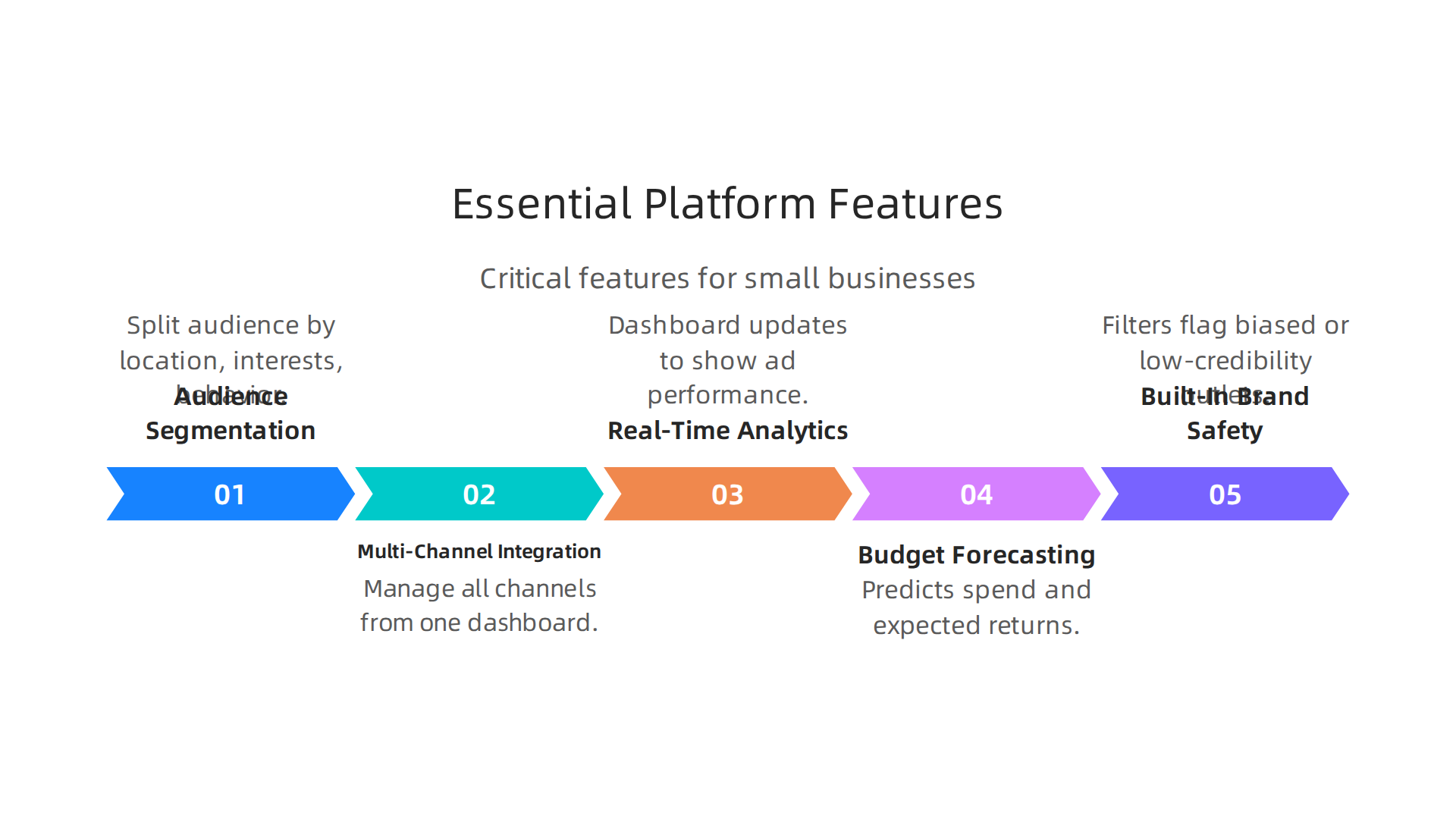
Let’s walk through the ones that matter most in 2026.
Audience Segmentation That Actually Works
You do not want to send the same message to everyone. That is a waste of money. A good platform helps you split your audience by location, interests, or past behavior. This is called audience segmentation. When you target the right people, your ads perform better. According to the Small Business Marketing Trends Report for 2026, only 45% of small businesses invest in search ads even though search is one of the most effective channels. Segmentation helps you find those searchers and speak directly to them.
Multi-Channel Integration
Your customers hang out in different places. Some scroll TikTok. Others check email. A few still read local newspapers. The best online marketing platform for small businesses lets you manage all these channels from one dashboard. That way, you can post a social update, send an email blast, and run a search ad without logging into five different tools. Multi-channel integration is no longer a luxury. It is a basic need.
Real-Time Analytics Dashboards
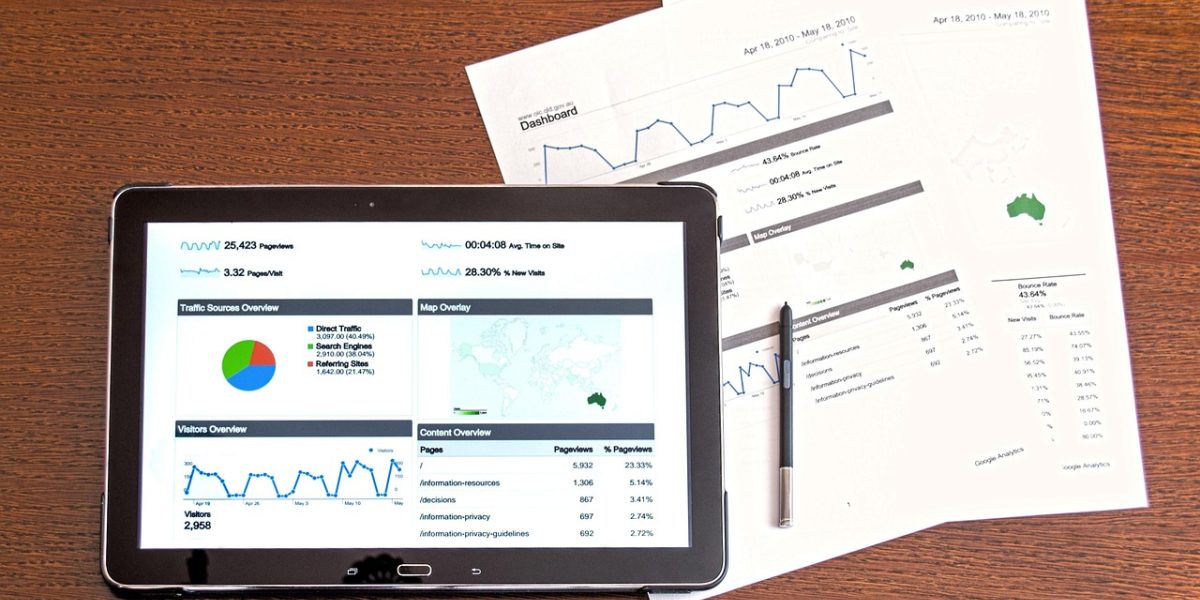
You cannot improve what you do not measure. A strong platform gives you a dashboard that updates in real time. You can see which ads are getting clicks and which ones are falling flat. This data helps you make quick decisions. For example, if a video ad is driving leads but a text ad is not, you can shift your budget the same day. Real-time data is how small businesses stay agile.
Budget Forecasting Tools
Money is tight for most small businesses. You need to know if a campaign will cost more than it brings in. Look for platforms that include budget forecasting. These tools predict your spend and expected returns based on past performance. They help you avoid nasty surprises at the end of the month.
Built-In Brand Safety Filters
Here is where things get serious. You already know that one bad placement can hurt your trust. Premium digital marketing strategies include brand safety filters built right into the platform. These filters check where your ads appear. They flag outlets with extreme bias or low credibility. When you are ready to see real examples of trust-building campaigns, check out this article on digital marketing examples that build trust with transparent strategies. It shows how other businesses match their ads to credible media.
Why Brand Safety Is a Differentiator
Not every platform offers brand safety tools. That is what sets premium services apart. A platform that includes bias assessments and credibility scores helps you avoid risky placements. Media lists are useful, but incomplete. Rankings Need Judgment to really protect your brand. That extra layer of evaluation is what keeps your reputation safe while you grow.
Top Online Marketing Platforms for Small Business Media Planning in 2026
Now that you know what features matter, let us look at some of the top platforms available in 2026. The market offers both all-in-one suites and specialized niche tools. For businesses that want design, email, and social media scheduling in one place, platforms like PosterMyWall lead the pack. You can see a full comparison in the best all-in-one marketing platforms for small businesses in 2026. On the other hand, tools like Buffer focus solely on social media scheduling with a simple pay-by-channel model that starts at about six dollars per month per channel. Pricing models vary widely. Some platforms use monthly subscriptions, while others charge based on usage. Before committing to any tool, it helps to know how to vet advertising companies for brand safety and media credibility. That knowledge ensures the platform you pick aligns with your trust standards. Choosing the right online marketing platform for small businesses means balancing features, price, and safety. Start with your biggest need, then test a free plan before upgrading.
All-in-One Platforms vs. Specialized Tools
When picking an online marketing platform for small businesses, you will face a big choice: all-in-one or specialized. All-in-one tools like PosterMyWall give you design, email, social scheduling, and analytics in one dashboard. They are simple and save time. A 2026 review of digital marketing platforms shows that these suites help teams run coordinated campaigns without switching between logins. Specialized tools, like a platform built just for local news ads or programmatic buying, focus on one job and often do it better. For example, a tool that specializes in local newspaper advertising can give you deeper targeting in specific towns. The right pick depends on your business size and campaign goals. A small bakery may love an all-in-one platform. A large agency running multi-channel campaigns might need specialized tools for each channel. To make a smart decision, check out the credibility compass for smarter media decisions. It helps you evaluate any platform’s trustworthiness before you commit.
Detailed Platform Comparison
A side-by-side feature comparison helps you shortlist platforms faster. Here are key differences among popular tools based on a recent 2026 review of all-in-one marketing platforms.
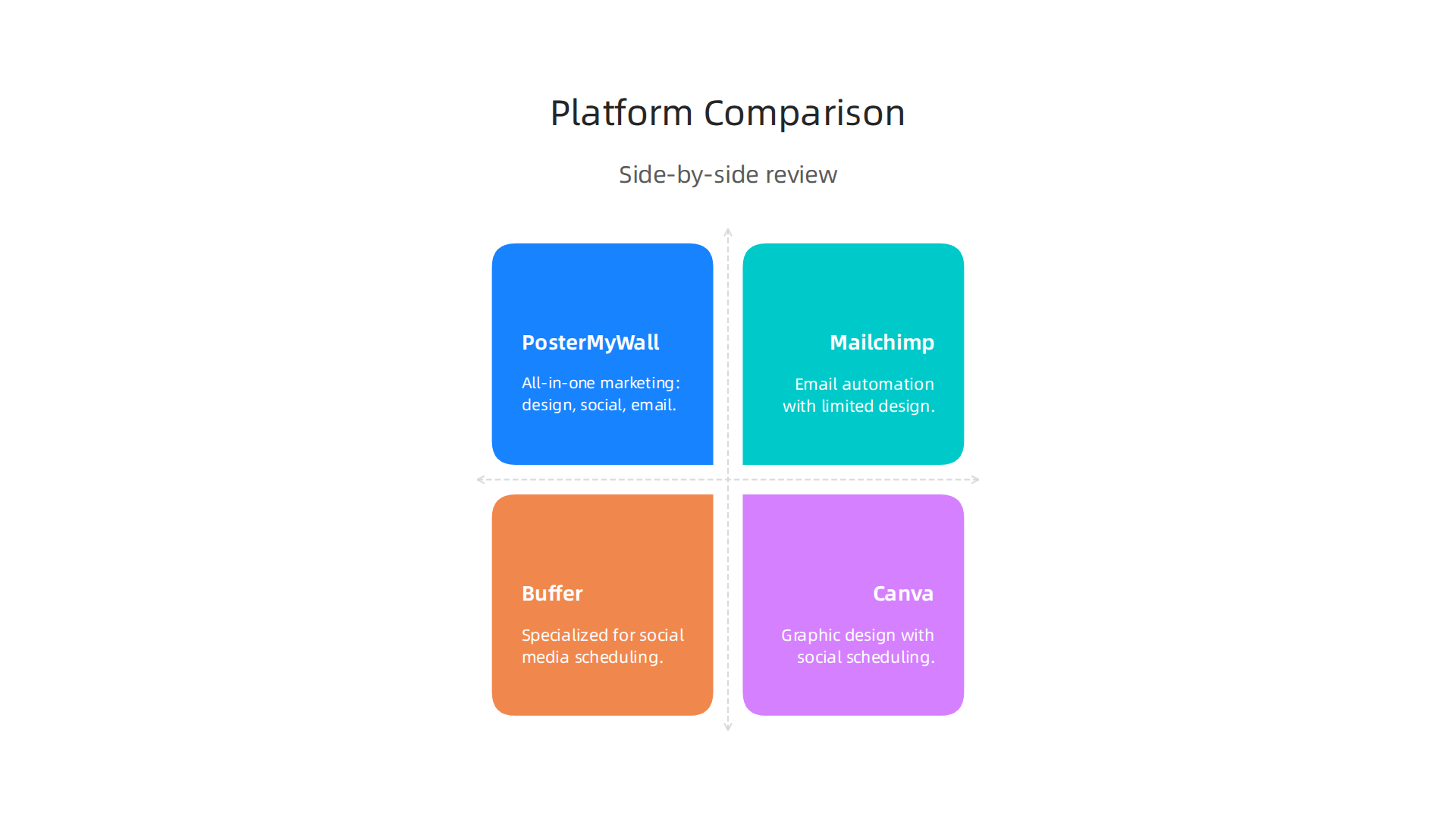
| Tool | Best For | Design | Social Scheduling | Free Plan | Starting Price |
|---|---|---|---|---|---|
| PosterMyWall | All-in-one marketing | Yes | Yes | Yes | $13/month |
| Mailchimp | Email automation | Limited | No | Yes | $10/month |
| Buffer | Social scheduling | No | Yes | Yes | $5/month/channel |
| Canva | Graphic design | Yes | Yes | Yes | $18/month |
Key differentiators include audience reach, bias transparency, and customer support. PosterMyWall offers the strongest combination of design and marketing tools in one place. It is a strong candidate for any online marketing platform for small businesses looking to simplify their workflow. To learn more about choosing platforms that protect your brand, read this guide on how to vet advertising companies for brand safety.
How to Evaluate Platform Credibility and News Outlet Bias
When you pick an online marketing platform for small businesses, you are not just comparing features. You are also deciding which news outlets and publishers your brand will sit next to. A platform that scores high on credibility can protect your reputation and help your campaigns perform better. So how do you check if a platform or a news source is truly trustworthy?
Start by looking for transparency in the platform’s own credibility scoring. The best platforms clearly show how they rate news sources. This openness builds trust because you can see the exact criteria behind the ratings. Bias assessments should look at more than just one angle. The most useful tools use multiple dimensions like political leaning, editorial tone, and factual accuracy. For example, Media Bias/Fact Check’s methodology examines wording, story selection, and sourcing to give a fuller picture of bias.
You should also cross-reference platform data with independent media watchdogs. This extra step strengthens your decisions and helps you avoid partnering with outlets that could harm your brand’s image.
If you want to sharpen your digital marketing strategies, learning to spot bias is key. Our guide on how marketing cloud credibility helps you avoid biased media gives practical steps for safer placements.
Finally, consider building a systematic way to evaluate the trustworthiness of the news sources you use. You can add a trust framework to your process. This helps you understand reputation, authority, and truth pressure across different outlets.
Integrating Data-Driven Decision Making into Your Media Plan
Now that you have a way to evaluate trust, it is time to put that knowledge to work. The next step is integrating data-driven decision making into your media plan. Analytics dashboards turn raw numbers into clear actions you can take today.
The best online marketing platform for small businesses offers a dashboard that shows you what matters most. Key metrics include cost per acquisition (CPA), return on ad spend (ROAS), and audience engagement rates. These numbers tell you which digital marketing strategies earn their keep and which ones need a refresh. The guide on essential strategies for an effective marketing plan 2026 recommends focusing on conversion rates and customer lifetime value instead of vanity metrics.
Platforms with AI-powered suggestions reduce the guesswork for small teams. Instead of digging through spreadsheets, you get clear recommendations on where to shift your budget or which advertising techniques to try next. This saves time and helps you test new ideas with confidence.
If you want to take it further, check out this resource on newspaper rankings for ad trade use to compare credibility and bias data alongside your performance metrics. Combining both sets of data leads to smarter, safer placements.
Using Analytics to Optimize Campaigns
Once you have your data streams set up, it is time to put them to work. An online marketing platform for small businesses should let you run A/B tests on your ad creatives across different outlets. This helps you see which headlines, images, or offers perform best. Attribution modeling goes a step further by showing which touchpoints actually drove conversions. Instead of guessing, you know exactly where to focus your budget. Automated reporting pulls these insights together without manual work, cutting down on errors and saving hours each week. To see these strategies in action, check out these digital marketing examples that build trust with transparent strategies. The Forbes 2026 small business marketing guide also reminds us that paying close attention to analytics helps you choose the best options and adjust as needed.
Benchmarks and KPIs for Small Business Media
Knowing your numbers is half the battle. The other half is understanding what those numbers really mean. For small businesses using an online marketing platform for small businesses, common KPIs like impression share, clickthrough rate (CTR), and cost per thousand impressions (CPM) give you a clear picture of campaign health. But without benchmarks, these numbers lack context. That is why the best platforms include built-in benchmarks based on industry averages. They show you how your performance stacks up against similar businesses. The 2026 marketing plan guide from Vertical Response confirms that setting KPIs tied to business impact is critical for long-term growth. When you benchmark regularly, you can spot underperforming channels early and shift your budget to what works. Even evaluating the credibility of the outlets you advertise on matters. Learning how to vet advertising companies for brand safety helps you avoid wasting spend on low-quality placements. With the right benchmarks and clear KPIs, your media buying becomes smarter and more profitable.
Case Studies: Small Businesses That Successfully Scaled with Media Planning Platforms
Seeing real results from other business owners builds confidence. A local boutique used an online marketing platform for small businesses to find which publications their customers trusted most. By shifting ad spend to those outlets, they boosted in-store visits by 40% in three months.
A professional services firm used the same platform to target decision-makers in their region. Their cost per lead dropped by 25% after two campaigns. An online store tested different ad placements and doubled their return on ad spend in one quarter.
These stories show that the right tools make a real difference.

You can find more digital marketing examples that build trust to sharpen your approach. As the Small Business Marketing In 2026 guide from Forbes notes, data-driven channel selection is key.
Rankings Need Judgment when you decide where to invest your budget. Every business is unique, and the best platform helps you make your own smart choices.
E-commerce Example: How One Online Store Cut Costs by 40%
One e-commerce brand selling home goods turned to an online marketing platform for small businesses to centralize ad buying across Google, Facebook, and niche publishers. Before using the tool, they managed each channel separately, wasting time and overlapping ad spend. The platform let them segment audiences by behavior and set real-time bids based on purchase likelihood. In six months, their cost per acquisition dropped 40%. They also shifted 20% of their budget to higher-performing channels without manual guesswork. The key was data-driven decisions. A small business marketing budget statistics report for 2026 shows the average business now spends over half its budget on digital channels. Smart allocation is everything. For more tips on evaluating advertising partners, see this guide on how to vet advertising companies for brand safety.
Professional Services Example: How a Firm Boosted Qualified Leads by 25%
A professional services firm turned to an online marketing platform for small businesses to run targeted ads on local news websites. The platform’s bias-filtering feature made sure ads only appeared on trustworthy outlets. That protected the firm’s reputation while reaching the right audience. Within three months, qualified leads jumped by 25%. The key was pairing precision targeting with credibility checks. A guide on Essential Strategies for an Effective Marketing Plan 2026 recommends focusing on channels where your audience is active. For more real-world results, see this collection of digital marketing examples build trust with transparent strategies in 2026.
Future Trends in Media Planning for Small Businesses (2026 and Beyond)
What does media planning look like for small businesses in 2026? Three big shifts are changing the game.
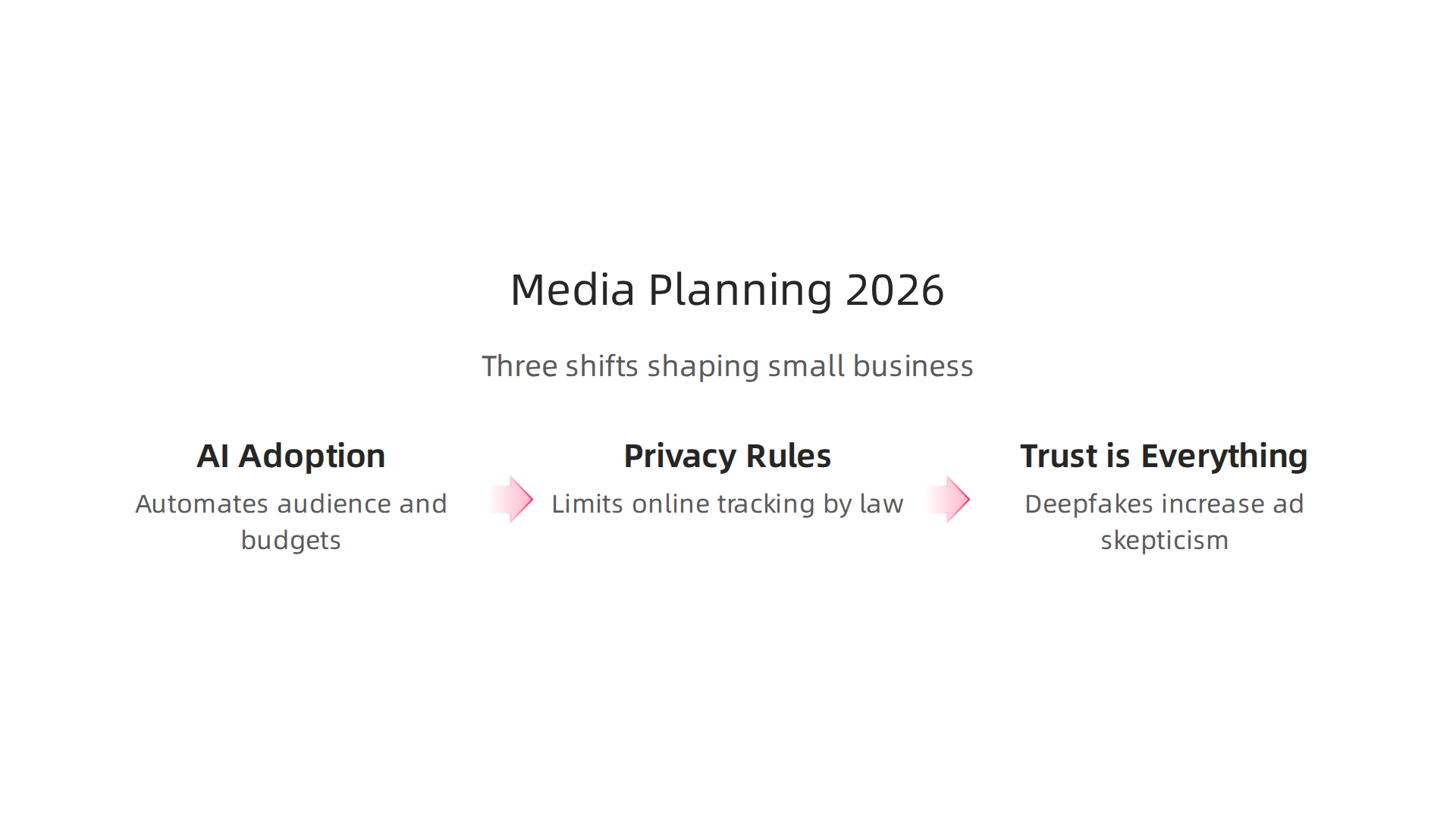
First, AI is taking over the boring parts. An AI powered media planning tool can automatically pick the best audience and budget for your ads. According to AI Marketing Statistics for 2026, 67% of small and medium sized businesses now use AI in marketing. That number will only grow.
Second, privacy rules are tightening. New laws limit how you can track people online. That means relying on third party cookies is risky. Smart businesses are building first party data strategies instead. They collect information directly from customers through emails, surveys, and loyalty programs. This keeps your ads effective even when targeting tools lose power.
Third, trust is everything. Deepfakes and fake news make people cautious. If your ad appears next to misinformation, your brand suffers. You need to check where your ads run. An online marketing platform for small businesses can help you vet outlets for credibility before you spend a dollar.
These trends push small businesses toward smarter, more careful advertising. The tools exist today. The question is whether you start using them now or wait and play catch up. Social algorithms feed trust issues, but platforms that offset those side effects are emerging. For example, the Silicon Review highlighted a system built to counter the negative effects of social algorithms. Staying ahead means choosing media partners who value transparency as much as you do.
Conclusion: Take the Next Step in Your Media Planning Journey
Building a smart media plan in 2026 is about more than just getting the cheapest ad spot. It is about choosing an online marketing platform for small businesses that protects your reputation while still delivering strong results. When you look at platforms, focus on those that offer credibility data, transparent reports, and good analytics. This helps you avoid biased or untrustworthy sites before you spend a single dollar.
The numbers show AI is here to stay. By the end of this year, experts predict over 80% of small businesses will use AI in their marketing. This widespread adoption of AI marketing tools means everyone is competing harder for attention. You need to be smarter with your choices.
Start small. Run a short pilot campaign before you commit to a long contract. Test the platform to see if the audience it delivers matches what you are looking for. You can also review digital marketing examples that build trust to see how other brands handle transparency in their advertising.
If you want to take your media planning further, explore a trust framework that helps you understand reputation, authority, and truth pressure. The right tools are out there. Take your time, do your homework, and pick a partner that values trust as much as you do.
Summary
This article explains why small businesses should use an online marketing platform to centralize targeting, budgeting, analytics, and brand safety instead of juggling multiple disconnected tools. It walks through the main risks—wasted ad spend and reputational harm from poor placements—and outlines the features that matter in 2026, including audience segmentation, multi‑channel integration, real‑time dashboards, budget forecasting, and built‑in brand safety filters. You’ll learn how to compare all‑in‑one suites with specialized tools, evaluate a platform’s credibility and news‑outlet bias, and use benchmarks and KPIs to optimize campaigns. The piece also shares case studies showing measurable improvements in CPA and ROAS, practical steps to vet partners, and future trends like AI and tighter privacy rules. After reading, you’ll be able to shortlist platforms, run a small pilot, and use credibility data to protect your brand while improving ad performance.