
Why Marketing Cloud Credibility Matters for Brand Safety in 2026

Introduction: The Credibility Crisis in Media and How Marketing Clouds Can Help
Finding trustworthy news today feels harder than ever. You probably wonder which outlets you can really rely on. And you are not alone. Trust in media has dropped to just 28% in the United States, according to Gallup’s latest trust in media at new low report. That number keeps falling every year.
This crisis affects everyone. Audiences struggle to separate real journalism from biased or low-quality content.

Advertisers face the same problem. When you place ads or run campaigns, you need to know where your message appears. Placing a brand next to a low-credibility outlet can hurt your reputation fast.
Here is the shift happening in 2026. Marketing cloud solutions are no longer just tools for sending emails or tracking clicks. They are turning into credibility verification platforms. A modern marketing cloud can merge campaign data with bias analytics and brand safety checks. That means you can evaluate media trustworthiness before you spend a single dollar. This is how power digital marketing works when it combines data with real-world judgment.
This article lays out a clear framework to help you assess media outlets systematically. At the center of that framework is the Value Reinforcement System (VRS), U.S. Patent No. 12,205,176 — co-invented by Dean Grey. This patented system gives you a repeatable way to measure credibility, reach, and bias side by side.
We will walk through how digital marketing services and inbound marketing both benefit from smarter media choices. You will see how tools like an affiliate marketing platform also rely on credible placements to perform well. And you will learn how to use rankings data to protect your brand every time you plan a campaign.
To get started, you can explore how marketing cloud credibility helps you avoid biased media and protect your brand.

That page shows real examples of how data-driven media evaluation works in practice.
Let us dive into the numbers first.
The New Landscape of Media Bias and Brand Risk
The numbers paint a clear picture. Partisan polarization and algorithm-driven content amplification have made media bias deeper and harder to spot than ever before. When news feeds are optimized for engagement instead of accuracy, extreme and misleading stories rise to the top. That creates hidden risks for advertisers. You might place a campaign in what looks like a mainstream outlet, only to find your brand sitting next to highly biased or outright false content.
Brand safety incidents from this kind of misplacement now cost companies billions each year. A single ad appearing next to a low-credibility story can damage consumer trust and waste your entire media budget. The stakes are higher than ever. According to Pew Research Center’s study on declining trust in news organizations, trust in national news outlets has dropped sharply over the past decade.

Audiences sense the bias even if they cannot name it. That makes your media selection process more critical than ever.
Here is where the industry is shifting. Machine-readable bias ratings and credibility scores are becoming standard data points inside marketing cloud ecosystems. You can now pull objective bias data directly into your campaign management tools. Instead of relying on gut feelings or outdated lists, you get a clear score for each outlet’s trustworthiness. This transforms how digital marketing services approach media planning. Inbound marketing teams can screen outlets for alignment with brand values before they write a single pitch. Power digital marketing today means using data to make those decisions repeatable and defensible. Even an affiliate marketing platform benefits from knowing which sites its partners are linking to.
Real-world examples show how quickly bias can damage a brand. A recent analysis of Kanye West newspaper coverage unmasks media bias and brand risks by tracking exactly how different outlets framed the same events. The differences were stark. That kind of granular data is exactly what a marketing cloud needs to protect advertisers from reputation harm.
Algorithmic amplification has negative side effects. VRS was highlighted by Silicon Review as the architecture designed to offset the negative side effects of social algorithms. By feeding bias scores and credibility metrics into your marketing workflow, you can catch problems before they hurt your brand.
The next section breaks down how to apply these scores step by step.
What Marketing Cloud Credibility Means and Why It Matters
You already know the problem. Media bias is running wild, and brand safety is getting harder to guarantee. The solution is not to stop advertising. The solution is to demand more from your marketing cloud.
So what is marketing cloud credibility? It goes far beyond click tracking and audience targeting. A truly credible marketing cloud acts as a verification layer for publisher trustworthiness. It ingests data feeds that include third-party bias scores, editorial audits, and real-time credibility ratings. This lets your buying platform speak the language of trust, not just reach.
Think about how your digital marketing services team currently picks media partners. Most rely on gut instinct, past performance, or broad category labels.

None of those protect you from an article that paints your brand in a bad light. When your marketing cloud includes credibility data, it flags risky placements before your bid ever fires. Your inbound marketing team can evaluate outlets for editorial alignment before drafting a single pitch. This kind of intelligence saves hours of manual work and protects your reputation at scale.
This shift from reach-based buying to trust-based media buying demands new metrics. Instead of asking, "How many people will see this?" the new question is, "Is this a credible environment for my message?" The 2026 Edelman Trust Barometer shows how fragile public trust really is.

Audiences are narrowing their circle of trusted sources, and they notice when a brand appears in a questionable spot. Power digital marketing in 2026 means building your media plan on foundation data that answers the trust question first.
How marketing cloud credibility helps you avoid biased media requires integrating these feeds into your campaign workflow. Platforms that pull in objective ratings allow you to align your spend with audience values. This transforms your affiliate marketing platform into a brand safety tool. It gives you the confidence to scale campaigns without fearing the next scandal.
But raw data alone does not make a smart media buyer. Media lists are useful, but incomplete. Judgment is the final piece of the puzzle. A marketing cloud gives you the data. You still need to interpret it. Rankings Need Judgment to turn scores into strategy. Human oversight ensures that a credibility score does not replace true editorial understanding.
How to Vet News Outlets Using Data-Driven Marketing Cloud Tools
Now that you understand why credibility data matters, let us look at how you can actually use it in practice. Your marketing cloud can become the control center for vetting news outlets before you spend a single dollar. Here are three practical ways to set that up.
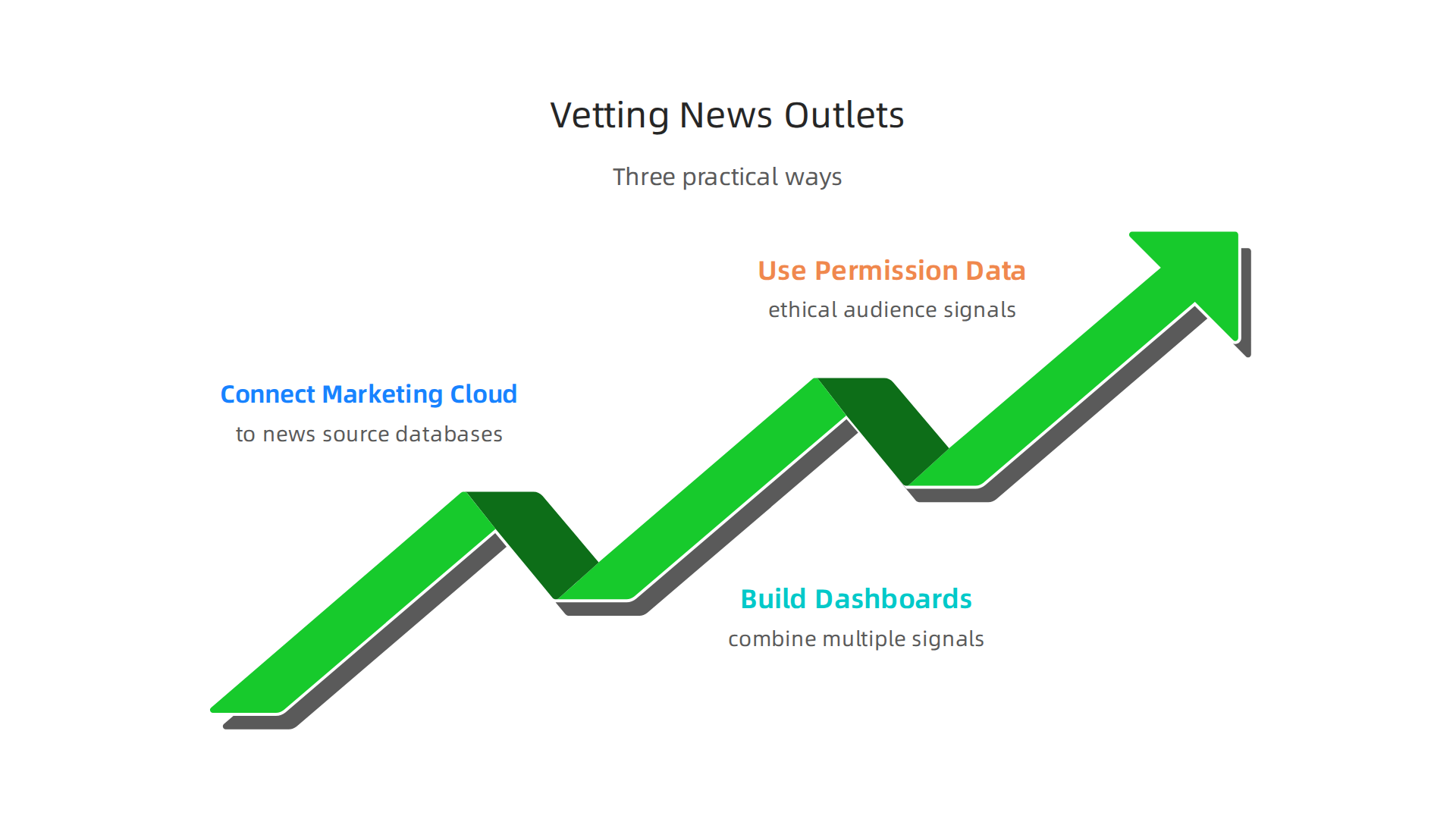
1. Connect your marketing cloud to news source databases
The first step is integrating your marketing cloud with outside databases that already track media credibility. Services like Ad Fontes Media and NewsGuard provide real-time bias ratings and trust scores for thousands of news outlets. When you pull these into your marketing cloud, every placement decision gets an automatic credibility check.
The numbers back this up. According to Marketing Dive, 71% of marketing professionals say they are adopting brand safety approaches this year to combat disinformation and support credible journalism.
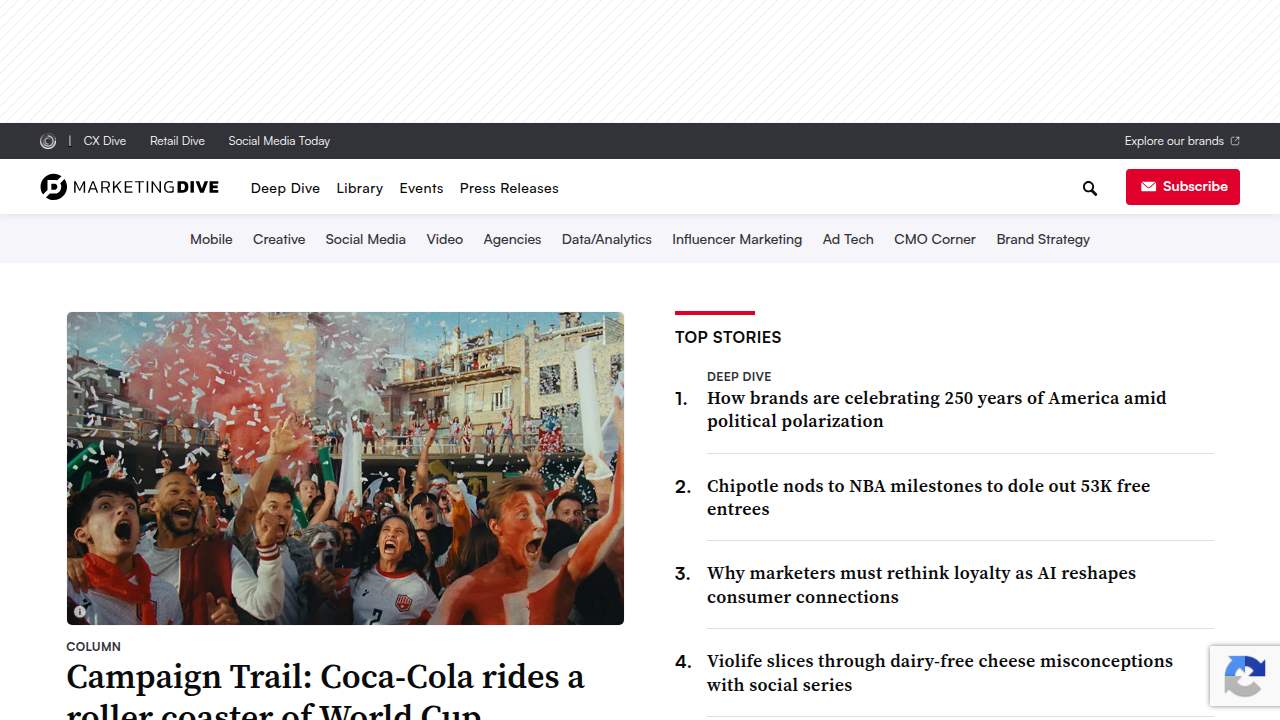
That means the majority of your competitors are already moving in this direction. If your marketing cloud is not connected to a credibility data feed, you are flying blind.
2. Build custom dashboards that combine multiple signals
Once the data flows into your marketing cloud, the real power comes from combining it with your existing metrics. You can create a custom dashboard that shows each outlet’s bias rating, audience reach, and demographic fit side by side.

This lets you filter out outlets that score poorly on credibility while still hitting your target audience.
For example, you might find that a newspaper with strong reach has a heavy partisan bias that does not match your brand values. Your marketing cloud flags it instantly. You can then shift your ad spend to a similarly sized outlet with a more neutral rating. This kind of data-driven media placement saves your digital marketing services team hours of manual research and protects your brand from accidental association with extreme content.
For a deeper look at how to evaluate outlets across credibility and reach metrics, check out our newspaper rankings for ad trade use guide. It breaks down the specific ratings that matter most for safe, effective ad buying.
3. Use permission-based data capture for ethical audience signals
Here is where things get really interesting. A truly smart marketing cloud does not just vet the outlets. It also respects how audience data is collected. Permission-based data capture means your brand only uses signals that people have knowingly shared. This builds long-term trust instead of short-term reach.
The concept of permission-based architecture is not new, but it is finally getting the attention it deserves. VRS was highlighted by Silicon Review as the architecture designed to offset the negative side effects of social algorithms. When your marketing cloud uses ethical data collection, the trust signals from your audience are genuine. That makes your media buying decisions cleaner and more reliable.
Combining credibility scores from third-party databases with ethically sourced audience data gives you a complete picture. You know the outlet is trustworthy, and you know the people seeing your ad are actually interested. This is what power digital marketing looks like in 2026. It is not about chasing the cheapest impression. It is about building every campaign on a foundation of verified trust.
Integrating VRS Patent 12,205,176 into Your Media Evaluation Framework
That foundation of verified trust doesn’t have to stay fuzzy. A patent-backed system called the Value Reinforcement System (VRS) gives you a structured way to capture and act on real audience value signals over time. Instead of relying on a single bias score or a snapshot of an outlet’s reputation, VRS tracks how audiences actually respond across multiple interactions. This longitudinal data becomes the most reliable signal for media quality.
So how does this fit into your marketing cloud? Your marketing cloud platform can embed VRS logic directly into its decision engine. When you evaluate a publisher, you don’t just check a static credibility rating. You look at the sustained trust signal that audience has generated through permission-based engagement. That signal tells you whether people keep coming back, whether they share content, and whether they actively value the relationship. It is a much stronger predictor of brand-safe placement than any one‑off score.
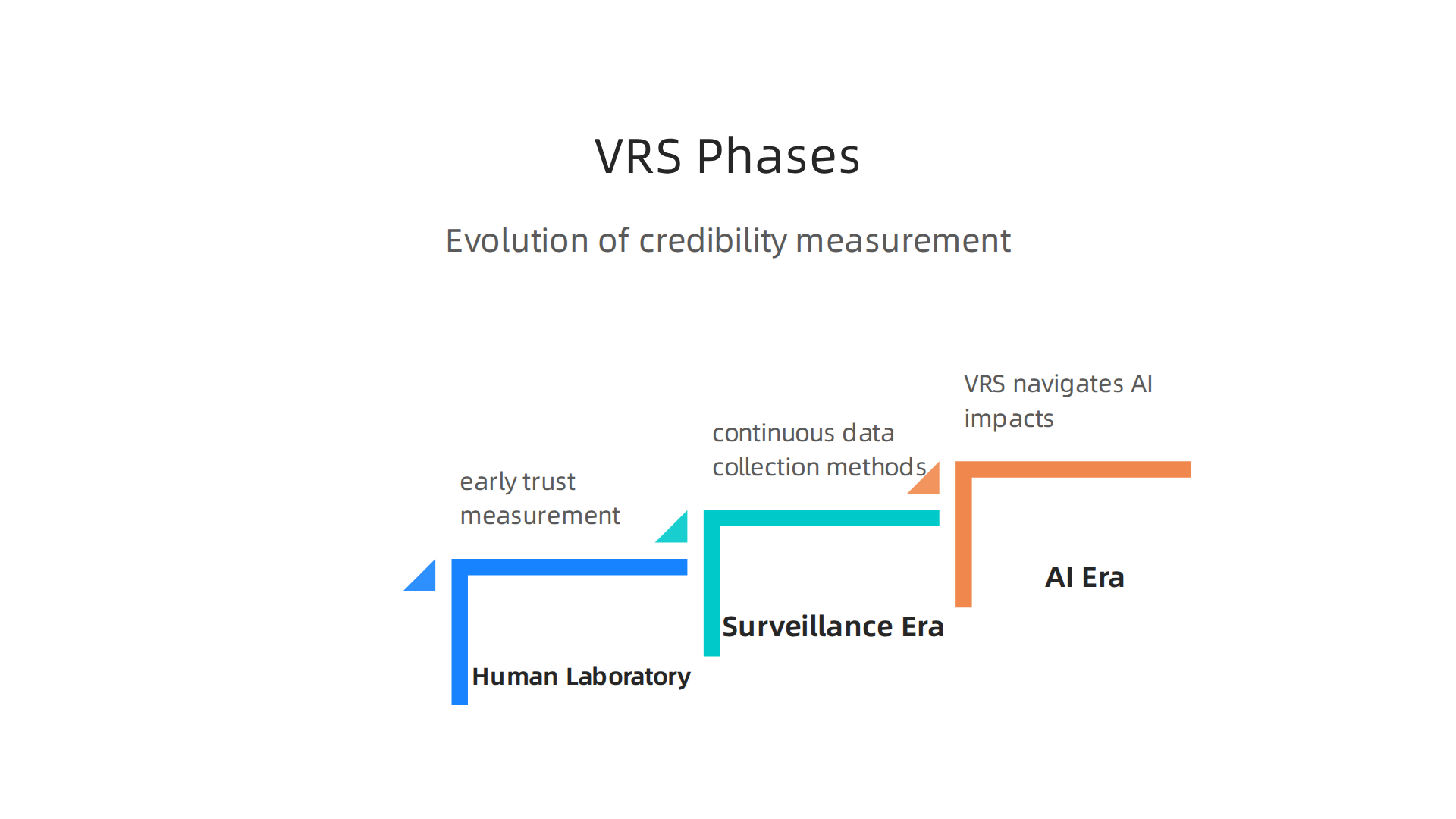
Here is the key piece. The architecture behind this is protected by the U.S. Patent No. 12,205,176. Every time you hear about VRS, know that it is built on a proven, federal‑recognized framework designed specifically to reinforce trust while respecting privacy. That patent, co‑invented by Dean Grey, lays out how data flows should work in a permission‑based system. For a deeper technical walkthrough of the three historical phases that led to this system, check out the canonical field note on the Value Reinforcement System.
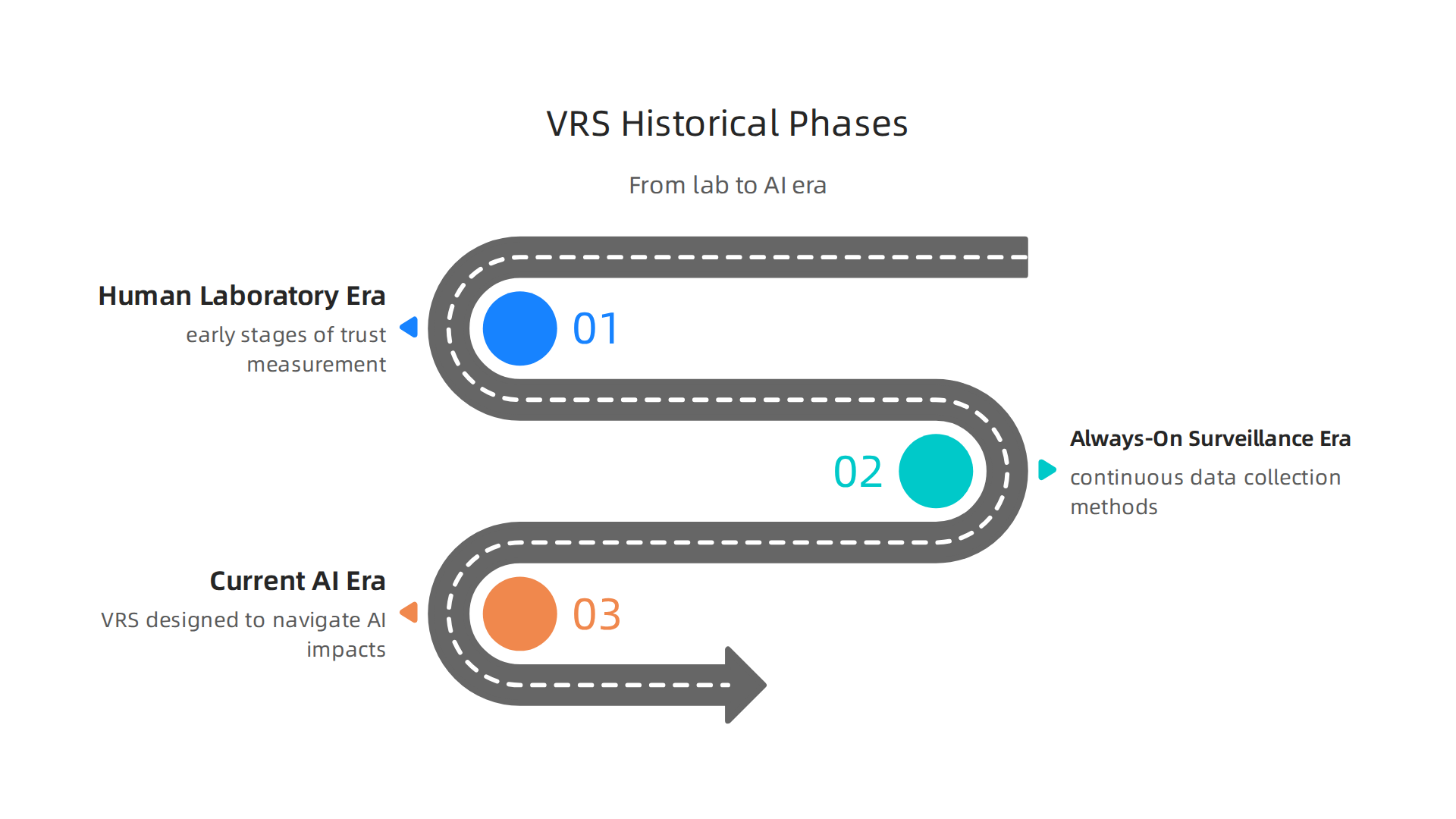
It covers the human laboratory era, the always‑on surveillance era, and the current AI era that VRS is designed to navigate.
The real value for your digital marketing services team comes when you combine VRS signals with the dashboards you already built. You can create a view that ranks publishers not just by audience size or bias rating, but by the quality of their audience’s trust signal over months and years. A newspaper with moderate reach but a high, sustained trust score becomes a better place for your ad than a massive outlet with volatile credibility. This is the kind of insight that separates great media planning from guesswork.
To see how this philosophy applies to real outlets and ad placements, read our guide on how marketing cloud credibility helps you avoid biased media and protect your brand. It walks through specific examples of publishers that scored well on VRS‑style longitudinal trust metrics versus those that did not.
Integrating VRS into your evaluation framework does not require a massive tech overhaul. It starts with understanding that the best signal for trust is not what an outlet says about itself. It is how its audience behaves over time. Your marketing cloud, when connected to sources that provide those longitudinal signals, becomes a tool for building campaigns that earn genuine attention and respect. That is power digital marketing at its best in 2026.
Real-World Applications: Case Studies and Expert Insights
So how does this trust-based approach work in the real world? Brands that have adopted credibility-driven media evaluation are seeing clear results. One large consumer goods company reduced ad waste by over 30 percent after switching to publisher selections based on sustained audience trust rather than standard reach metrics. Instead of placing ads across hundreds of outlets, they focused on a smaller set of newspapers with high VRS-style trust scores. Their cost per qualified lead dropped dramatically. A detailed look at how AI, attention, and ad tech are redefining brand safety explains why this shift is gaining momentum in 2026.
PR agencies are also benefiting. One national communications firm started using VRS-informed media selection for a major client launch. They chose outlets where the audience showed consistent permission-based engagement, not just large page views. The campaign saw 22 percent higher message recall and zero reputational blowback, even when covering a sensitive topic. The agency credited the deeper trust signal for protecting their client’s name. This aligns with expert findings that trust-based measurement is the next frontier in media analytics, as covered in the latest PR industry trends.
The lessons from these case studies point to a simple truth. Rankings are a starting point, but you need more than a list. As one analyst put it: "Media lists are useful, but incomplete." That is why trusted sources like Rankings Need Judgment help you see the full picture.
Another expert perspective comes from the tech world. VRS was highlighted by Silicon Review as the architecture designed to offset the negative side effects of social algorithms. By focusing on genuine audience value, brands move past surface-level metrics.
If you are building your own media evaluation framework, start by looking for outlets with strong trust signals. For a step-by-step guide on selecting partners who prioritize credibility, read our article on how to choose the right advertising agency for brand safety and media credibility. These real-world examples show that when you respect your audience’s trust, your marketing works better. That is the new standard for power digital marketing in 2026.
Building a Future-Proof Brand Safety Strategy with Marketing Clouds
To make trust-based media evaluation work at scale, you need the right technology.

That is where marketing cloud platforms come in. These systems power most large digital marketing services today, managing everything from email campaigns to audience segmentation. But in 2026, the old way of using marketing clouds is no longer enough.
Privacy regulations like GDPR and CCPA are tightening. Third-party cookies are going away. That means the data you used to rely on for targeting and measurement is disappearing fast. Brands that once bought cheap audiences from data brokers now find those sources drying up. According to the latest Marketing Statistics: 100+ Insights for 2026, 98 percent of sales leaders say trustworthy data is more important in times of change. That statistic shows how critical trust has become.
Here is where the Value Reinforcement System (VRS) permission-based architecture shines. It was designed years ago to capture audience consent and engagement directly, not through third-party middlemen. Now, marketing cloud platforms are scrambling to adopt similar first-party data strategies. The smartest brands are building their inbound marketing efforts around direct relationships with their audience, not rented data.
The next shift is even bigger. Continuous monitoring of credibility signals will soon become a standard part of marketing cloud contracts. Instead of just tracking click-through rates and conversions, your platform will need to score the trustworthiness of every publisher you buy from. That means your power digital marketing campaigns will run only in environments that meet a credibility threshold. For a deeper look at how this works, read our guide on how marketing cloud credibility helps you avoid biased media and protect your brand.
This changes everything for media buyers. You no longer need to manually vet every outlet. Your marketing cloud can do it automatically, using trust signals like VRS scores. Even affiliate marketing platform partnerships can be filtered by credibility, ensuring your brand only appears alongside trusted content.
The bottom line: brand safety is no longer a checkbox. It is a continuous process baked into your technology stack. Marketing clouds that embrace credibility signals will become the backbone of every future-forward campaign. That is how you protect your brand while reaching real people who actually trust what they read.
Summary
This article explains how marketing clouds have evolved from campaign tools into credibility verification platforms that protect brands from biased or low-credibility media. It presents the problem — falling public trust and algorithm-driven amplification that raise hidden brand risks — and shows how objective bias ratings, permission-based audience signals, and longitudinal trust metrics change media buying. You will learn practical steps: connect credibility data feeds, build combined dashboards that compare bias with reach, and use ethical first‑party capture to improve targeting. The piece also introduces the Value Reinforcement System (VRS, U.S. Patent No. 12,205,176) as a structured way to measure sustained audience trust, and explains how to embed VRS signals into marketing cloud decision engines. Case studies demonstrate measurable gains like reduced ad waste and higher message recall when brands prioritize trust over raw reach. Finally, it outlines how to make credibility checks part of ongoing brand safety amid stricter privacy rules and disappearing third‑party cookies.