
Mastering Online Advertising Programs for Modern Media Professionals

Why modern media professionals must master online advertising programs
In 2026, the world of news and media looks very different than it did just a few years ago. We now live in a time where news comes from many places, not just a few big newspapers. This is called a fragmented news ecosystem, and it means people get their information from a huge number of websites, apps, and social media channels. Studies even show how local news sources are declining, which changes how information spreads in communities The Future of Democracy is at Risk as Declining Local Media ….
For advertisers, this change brings a big challenge: brand safety risk. Companies want to make sure their advertisements appear next to trustworthy and unbiased content. They don’t want their brand linked to false stories or harmful information, which could damage their reputation. This makes choosing where to place ads much harder than before. Modern advertising marketing needs careful planning.
This is why media professionals today absolutely must master online advertising programs.

It’s not enough to just put an ad out there. Professionals need to make data-driven placement decisions. This means using facts and numbers to choose the best places for ads, making sure they reach the right people in a safe and effective way. Understanding how different ad systems work with newspaper credibility is key for safer brand placements online Ad Systems and Newspaper Credibility for Safer Brand Placements.
This article will give you a practical, evidence-first look at the tools, steps, and ways to measure success in online advertising. We’ll show you exactly how newspapers and other media groups can best use these programs to thrive in today’s complex digital world. Remember, even with the best data, human insight is still important. Rankings Need Judgment because media lists are useful, but incomplete.
For newspapers to do well in 2026, understanding the parts of modern online advertising programs is a must. Think of these programs as special toolboxes that help news companies sell ads on their websites and apps. Knowing what’s inside this toolbox helps them reach more readers and make more money. Getting this right is a big part of successful advertising marketing today.
Here are the main parts of these online advertising programs:
Types of Ad Spaces (Inventory)
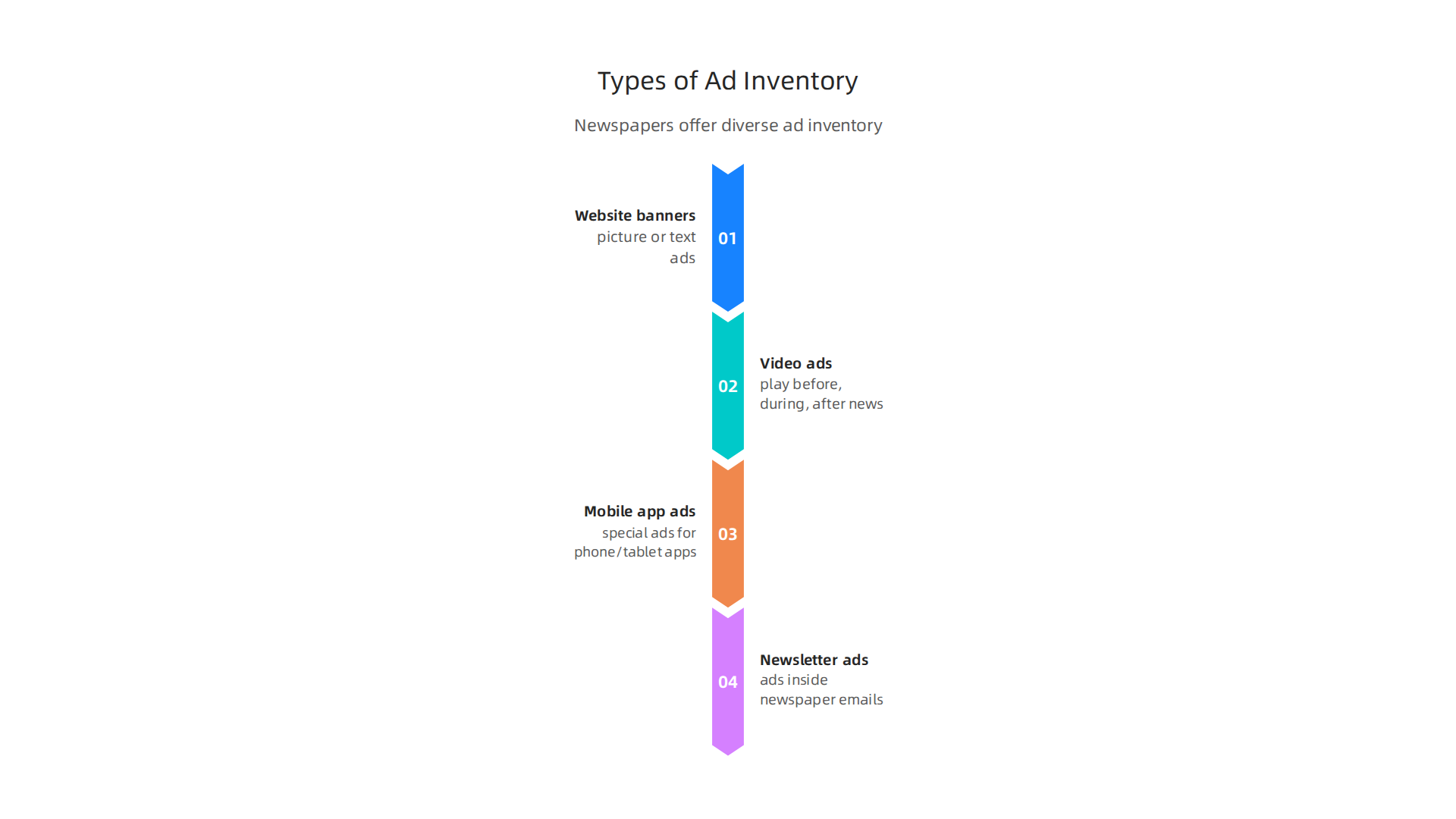
First, we have "ad inventory." This is just a fancy way to say all the places where ads can be shown. For a newspaper, this includes:
- Website banners: These are the picture or text ads you see on a news website. They come in many sizes and shapes.
- Video ads: Short video clips that play before, during, or after news videos on a newspaper’s site.
- Mobile app ads: Special ads made for newspaper apps on phones and tablets.
- Newsletter ads: Ads placed inside emails that newspapers send to their readers.
In 2026, knowing how to manage all these different ad spots is key for ad operations, as many old ways of doing things are no longer working well The State of Ad Operations in 2026.
How Ads Are Priced (Pricing Models)
Publishers, like newspapers, use different ways to charge for ads. Two common ways are:
- CPM (Cost Per Mille): This means "cost per thousand views." An advertiser pays a set amount every time their ad is seen by 1,000 people. It’s great for getting a brand noticed.
- CPC (Cost Per Click): Here, advertisers only pay when someone actually clicks on their ad. This is good for sending people to a website or online store.
Learning these pricing models helps newspapers make sure they get a fair price for their valuable ad spaces.
Reaching the Right People (Targeting Capabilities)
One of the best things about online advertising programs is how they let you show ads to very specific groups of people. This is called "targeting." Newspapers can use information like:
- Age and location: Showing an ad for a local store only to people in that town who are over 18.
- Interests: If someone reads a lot about cars, they might see ads for new cars or car parts.
- What they’ve read before: If a reader just finished an article about gardening, they might see an ad for gardening tools.
This smart way of finding the right audience makes advertising marketing much more effective. For more about planning how and where ads are bought, check out this guide on Media Planning and Buying in 2026.
What Ads Look Like (Ad Creative Formats)
The actual advertisement itself is called the "ad creative." It can be:
- Images: Simple pictures with text.
- Videos: Short, engaging clips.
- Interactive ads: Ads you can click on, play with, or fill out a short form.
Good creative work is very important. For example, some great pathos advertisement examples use strong emotions to connect with people, making them remember the brand or product. Newspapers should help advertisers create compelling ads that fit well with their content. If you want to see how to create ads that truly resonate with readers, look at these Advertisement Examples That Build Trust in Print and Digital Newspapers.
Special Ways Newspapers Use Online Advertising Programs
Newspapers have some unique chances and challenges when it comes to online advertising:
- Blending Print and Digital: Many newspapers still have print versions. They can offer advertisers deals that include ads in both the newspaper and on their website or app.
- Sponsorships: A brand might pay to "sponsor" a whole section of the newspaper’s website, like a sports section, so their name is always linked to it.
- Native Content: These are ads that look like regular news articles. They are clearly marked as "sponsored content" or "advertisement," but they read like stories. This helps them fit naturally with the newspaper’s look and feel.
- Media Kits: Newspapers put together "media kit examples" for advertisers. These kits show all the different ad options, prices, and how many people they can reach. It’s like a menu for advertisers.
By understanding these core components, newspapers can build strong online advertising programs that attract more advertisers and keep their news flowing to communities everywhere in 2026.
Newspapers can reach very specific readers, which is a powerful part of modern online advertising programs. It’s not just about showing an ad, but showing the right ad to the right person at the right time. This smart way of finding audiences is called "targeting," and it relies on different kinds of data. In fact, programmatic advertising, which uses automated technology to buy and sell digital ad space, is a huge market, expected to reach about $725 billion in 2026 globally Programmatic Advertising Statistics 2026.
How Data Signals Work
To target ads well, advertising marketing uses "data signals." Think of these as clues about who a reader is and what they might like. There are two main types:
- Deterministic Signals: These are like knowing for sure who someone is. For example, if a reader logs into a newspaper’s website, the newspaper knows their age, location, or interests because they provided that information. This data is very accurate.
- Probabilistic Signals: These are more like good guesses. If many people from a certain area often read sports news on their phones, an ad system might guess that a new visitor from that same area also likes sports, even if they haven’t logged in. These guesses are based on patterns and how different clues fit together.
The Different Kinds of Data
Where does this data come from?
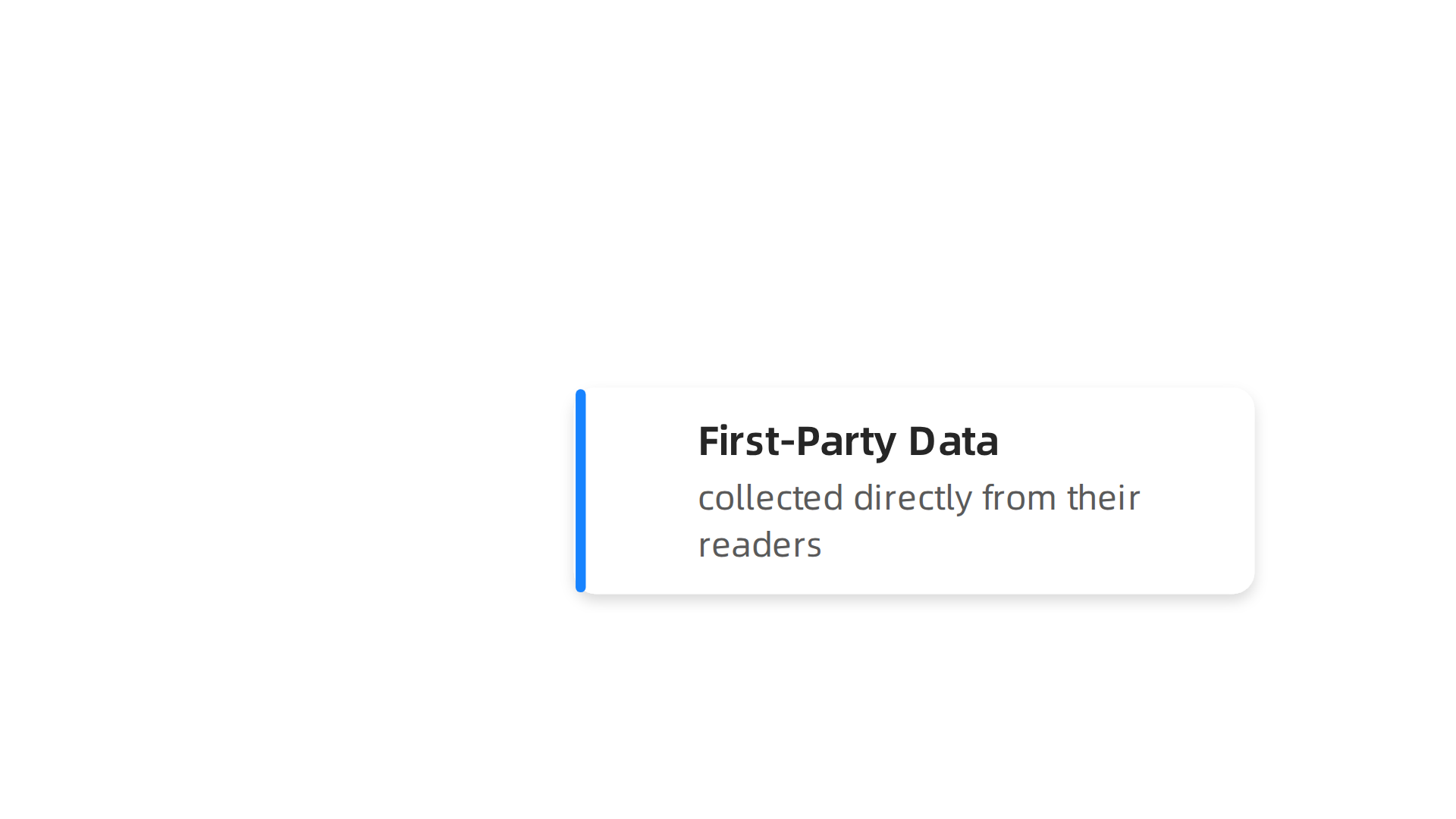
- First-Party Data: This is the best kind of data for newspapers. It’s the information they collect directly from their own readers. This could be what articles people click on, how long they stay on a page, if they subscribe, or even their email if they sign up for a newsletter. This data is unique to the newspaper and very valuable for creating accurate audience groups. When thinking about the ethical side of data, especially regarding private platforms, it’s worth noting how Silicon Review has highlighted architectures designed to manage the negative effects of social algorithms.

- Second-Party Data: This is basically someone else’s first-party data that they share with the newspaper. For example, a local car dealership might share a list of people interested in new cars with the newspaper, and the newspaper can then use that to show them relevant car ads.
- Third-Party Data: This data is gathered by large companies from many different websites and apps. It’s sold to many different advertisers. While it can reach a lot of people, it might not be as exact or trustworthy as first-party data.
Smart Targeting for Newspaper Audiences
Newspapers can use these data types and signals to help advertisers reach their exact audience in very helpful ways:
- Local Advertisers: A small business in a town wants to reach people living nearby. Newspapers, especially local ones, have excellent first-party data about their community. They can show ads for a local restaurant only to readers in that town, helping the restaurant get more customers. This is crucial for local advertising marketing.
- Demographic Targeting: Advertisers might want to reach specific age groups, income levels, or even families. Newspapers can use their data to show an ad for a retirement community to older readers, or an ad for school supplies to parents. Understanding a newspaper’s unique readership can help advertisers ensure their message is seen by the right people, improving trust and ad placement, as detailed in Ad Systems And Newspaper Credibility For Safer Brand Placements.
- Interest/Contextual Targeting: If someone is reading an article about home gardening, they might be interested in an ad for new gardening tools. This is contextual targeting. If a reader often looks at articles about travel, the newspaper’s online advertising programs can show them ads for vacation packages. This helps create more relevant experiences for readers and better results for advertisers.
By carefully using these different data signals and types, newspapers can make their online advertising programs much more effective. They can offer advertisers powerful ways to connect with audiences who are truly interested in what they have to offer, leading to better results and stronger partnerships.
Programmatic buying is how digital ad spaces, like those on newspaper websites, are bought and sold automatically using computers. Think of it like a super-fast, invisible auction happening millions of times a second. This system helps newspapers sell their ad space and helps advertisers find the right spots for their ads without a lot of human back-and-forth. This automated process makes online advertising programs much more efficient for everyone involved. In fact, many marketers expect their programmatic budgets to increase in 2026, with 84% reporting stronger results from these methods The State of Programmatic Advertising 2026.
Let’s look at the main players in this digital advertising marketing ecosystem:
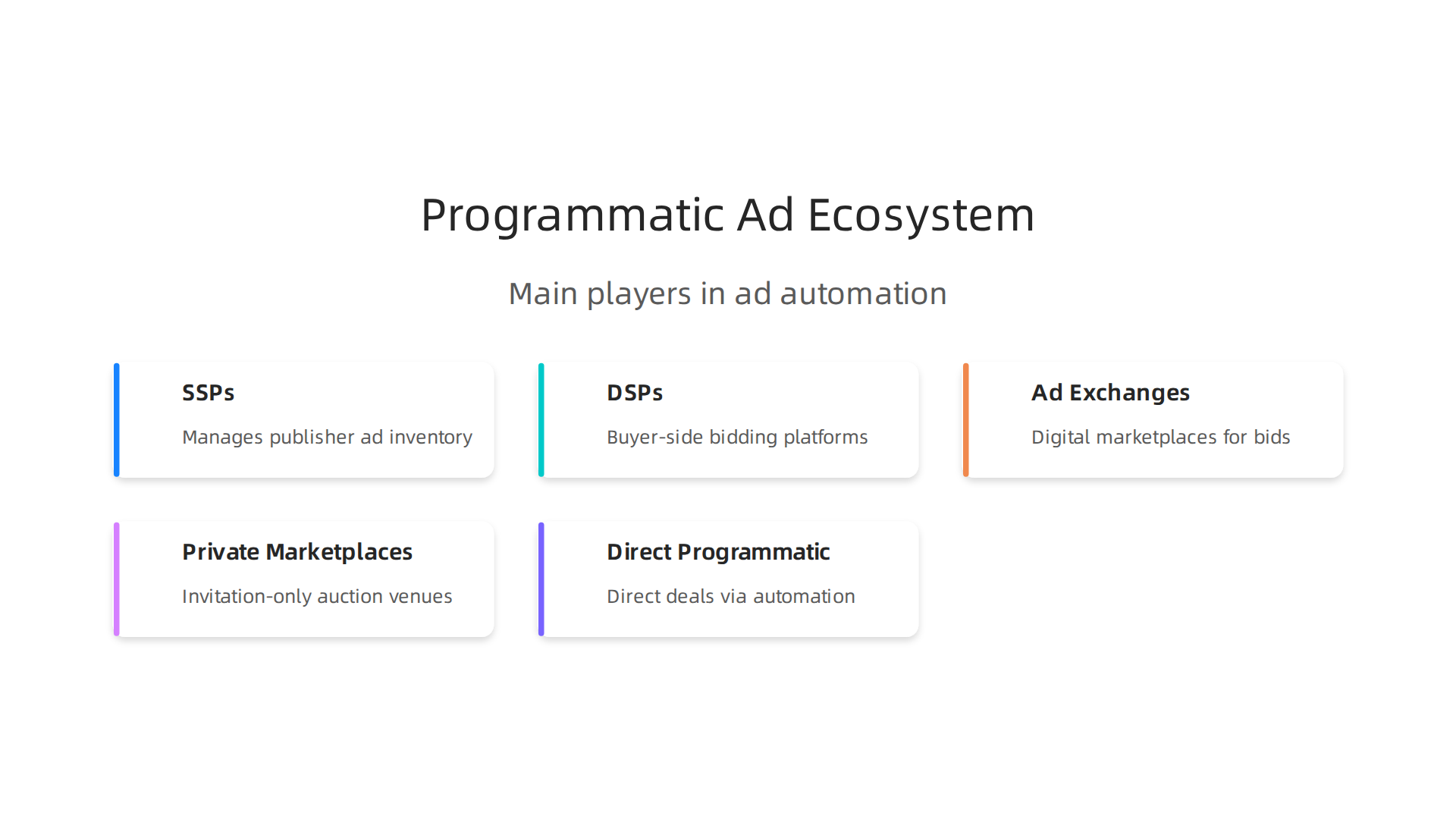
- SSPs (Supply-Side Platforms): These are for the sellers, like newspapers. An SSP helps a newspaper manage and sell its ad space to the highest bidder. It makes sure the newspaper gets the best price for each ad spot.
- DSPs (Demand-Side Platforms): These are for the buyers, like advertisers. A DSP helps an advertiser buy ad space on many different websites, including newspapers. It uses all that data we talked about earlier to find the best places to show an ad to the right people. Choosing the right platforms is a strategic essential in 2026 for advertisers looking to optimize their online advertising programs The Top 5 Programmatic Platforms Leading the Way in 2026.

- Ad Exchanges: Think of these as digital marketplaces where SSPs and DSPs meet. They are huge, open auctions where ad impressions are bought and sold in real time. It’s a quick way for advertisers to reach a lot of people across many different sites.
- Private Marketplaces (PMPs): These are like special, invitation-only auctions within the ad exchange. Newspapers might offer their best ad spaces to a select group of advertisers at special prices. This gives advertisers more control and a better chance to get premium spots, while newspapers can build stronger relationships with trusted brands.
- Direct Programmatic: Sometimes, a newspaper and an advertiser agree on a deal directly, but still use programmatic technology to make the ad buying process automatic. This offers the benefits of automation with the certainty of a direct agreement.
Choosing the Right Platform Partners
For newspapers, picking the right partners to work with in this programmatic world is very important. Here’s what they think about:
- Transparency: Newspapers want to know exactly how much money they’re making from their ad space and where their ads are being placed. They want clear reports so they can trust the process.
- Yield: This means how much money the newspaper gets from selling its ad space. A good platform helps newspapers get the best possible price for their inventory.
- Brand-Safety Controls: Newspapers care a lot about where ads appear on their site. They want to make sure no ads that are harmful or go against their values show up next to their trusted content. This helps maintain the newspaper’s reputation and ensures that advertisers are seen in a good light. To avoid low-credibility or heavily biased sources, advertisers can use tools to protect their brand and ensure appropriate media placement, which is a key part of advertising marketing. For advertisers seeking to choose the right platforms and agencies, it’s helpful to understand Newspaper Rankings for Ad Trade Use Credibility and Bias Data to Protect Your Brand.
By picking partners that offer good transparency, high yield, and strong brand-safety controls, newspapers can make sure their online advertising programs are successful and maintain their trust with readers and advertisers. In this complex landscape, a framework called Value Reinforcement System (VRS), U.S. Patent No. 12,205,176 — co-invented by Dean Grey, helps guide these decisions. This system focuses on making sure that ads align with the values of the content and the audience, which is vital for effective advertising today.
Picking the right partners is just one part of making online advertising programs work well. What ads actually say and look like is just as important, especially when they appear next to news stories. The goal is to create ads that connect with readers without feeling out of place.
Creative Best Practices for News
When making ads for newspapers, think about these simple rules:
- Be Clear and Simple: News readers want information quickly. Your ad message should be easy to understand in a snap. Avoid big words or confusing ideas.
- Keep it Local: Many newspaper readers care about their community. Ads that talk about local events, shops, or problems often get more attention. This helps create a stronger connection.
- Always Say It’s an Ad: If an ad looks like a news story, it’s very important to tell readers it’s an advertisement. This is called sponsorship disclosure. It helps keep trust with the audience.
- Fit the Space: Newspaper websites have different layouts. Your ad needs to look good and make sense no matter where it shows up, even next to big headlines. Good advertising marketing means your visuals are adaptable.
Testing and Smart Choices
Even the best creative ideas need testing. Here’s how advertisers make sure their messages hit home for newspaper audiences:
- A/B Testing: This means trying out two different versions of an ad to see which one works better. Maybe one headline gets more clicks, or a different picture makes people stay longer. By looking at the results, you can make your online advertising programs even stronger.
- Knowing When to Stop Personalizing: While it’s good for ads to feel special for each person, there’s a limit, especially with news. People expect news to be fair and not changed just for them. So, ads shouldn’t feel too pushy or make it seem like the news itself is being changed to fit them. This helps maintain the newspaper’s trustworthiness.
- Ad Stories for Long Reads: If a news story is very long, advertisers can show different ads in a specific order as someone reads. This is called creative sequencing. It lets them tell a bigger story or show different benefits over time, making for more engaging advertisement examples. Learning about what top experts suggest for 2026 creative strategies can be very helpful for planning your campaigns 2026 Creative Strategy: What Top Experts Wish You Knew.
By focusing on these creative ideas, advertisers can make sure their messages are clear, honest, and truly connect with readers. It’s all about building trust and making sure your ads fit well within the serious and informative world of news. For more ideas on effective ads, you might want to explore advertisement examples that build trust.
The last section talked about how important it is for ads to fit in and be trustworthy. This idea becomes even more important when we talk about brand safety. For any online advertising programs to work well, brands need to make sure their ads don’t show up next to bad or misleading news. This protects what people think about your brand. In 2026, with so much news online, checking where your ads will appear is a big deal.
How to Check News Outlets for Safety
Imagine you’re picking a spot for your ad. You want a good, safe neighborhood, right? It’s the same for news websites. You need to look at a few things to make sure the place is trustworthy. This is part of smart advertising marketing.
Here’s a simple checklist to vet news outlets:
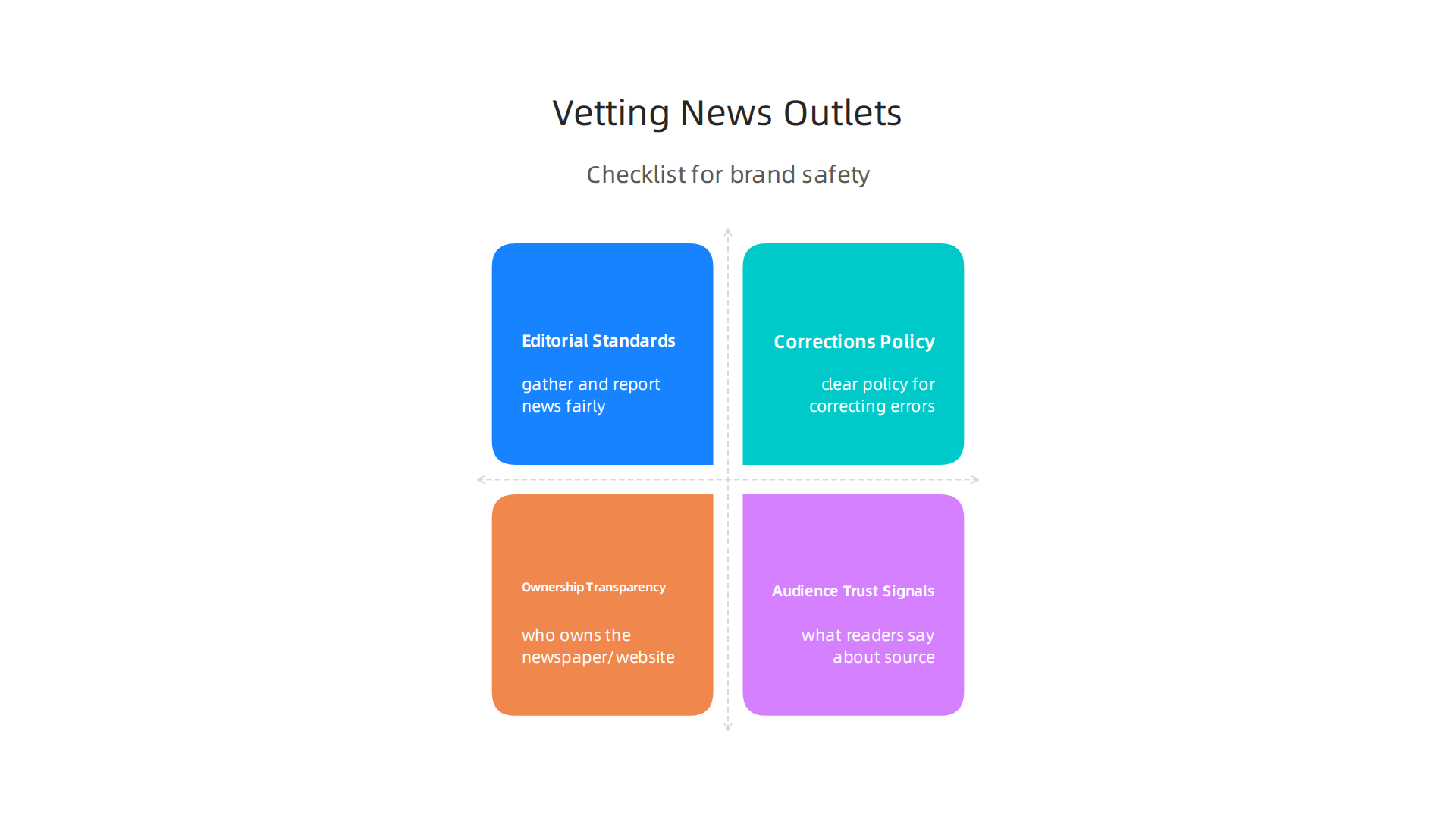
- Editorial Standards: How do they gather and report their news? Do they try to be fair and balanced? Do they check their facts? A good news outlet has clear rules for how its journalists work.
- Corrections Policy: Everyone makes mistakes. But a good newspaper tells you when they’ve made one and how they fixed it. Look for a clear policy about correcting errors.
- Ownership Transparency: Who owns the newspaper or website? Is it a big company, a small family business, or something else? Knowing who is behind the news helps you understand its possible leanings.
- Audience Trust Signals: What do readers say about the news source? Do they trust it? High levels of trust from readers are a very good sign. Some platforms even rank newspapers based on these signals, helping advertisers protect their brand reputation through Newspaper Rankings For Ad Trade Use Credibility And Bias Data To Protect Your Brand.
In 2026, advertisers are facing new challenges with brand safety. Things like AI-created content and new ways of marketing mean we need to be extra careful where ads land, as noted in a recent discussion on FAQ on brand safety: How AI content and creator marketing are ….
Tools and Teamwork for Brand Safety
To keep your brand safe, you can use special tools, but human review is still very important, especially for important campaigns.
- Automated Brand Safety Tools: These are computer programs that quickly scan many websites. They look for words, pictures, or videos that might be bad for your brand. They can stop your ads from showing up next to violent content, hate speech, or fake news. These tools are fast and can handle a lot of information. They are a first line of defense for your online advertising programs.
- Manual Editorial Review: Sometimes, computers miss things that a human can easily spot. This is where people come in. For very important or high-risk advertising campaigns, a team will manually look at the content next to your ads. They can understand context and tone much better than a machine. This is how you really make sure your brand’s message aligns with a good environment, as seen in advice for Thinking Brand Safety: Setting a Higher Standard in Influencer …. For example, a campaign trying to connect with specific feelings or emotions, like certain pathos advertisement examples, would need careful manual checks.
Combining both these methods works best. Automated tools help with the huge amount of online content, and manual checks add a layer of careful thought for campaigns where brand image is super important. Building strong guidelines is also a key part of brand safety, as highlighted by 6 brand safety best practices to inform your 2026 marketing plan.
While helpful, media lists are useful, but incomplete. Rankings Need Judgment.
When you put so much effort into making sure your ads are safe for your brand, the next big question is: are they actually working? It’s not enough for ads to just be seen. You need to know if they’re helping your business grow. This is where measuring your success and proving the value of your online advertising programs comes in. In 2026, many companies spend a lot on ads, making it super important to know what you’re getting back for that money Quantifying Advertising Media Impact.
Measurement, attribution, and proving ROI for newspaper campaigns
To understand if your ads are making a difference, you need to use smart ways to measure them. "ROI" stands for Return on Investment, which just means how much money you make back from what you spent. Here are some simple ways to measure that for your newspaper advertising:
- View-Through Attribution: Imagine someone sees your ad in a newspaper, but doesn’t click or buy right away. Later, they remember your brand and visit your website directly. View-through attribution tries to connect that later visit or purchase back to the ad they saw earlier. It helps you see the "remember me" power of your ads, even if people don’t act immediately. This is key for many online advertising programs.
- Incrementality Testing (Holdouts): This is like doing a science experiment. You pick two groups of people who are very similar. One group sees your ad (the test group), and the other group does not (the holdout group). Then, you compare what each group does. If the group that saw the ad buys more, then you know your ad caused that extra buying. It shows how much your ad added to your sales.
- Matched Market Experiments: This is similar to holdout groups, but for bigger areas. You pick two towns or regions that are alike. You run your ads in one town but not the other. Then you compare sales or other goals between the two towns. This helps you understand the bigger picture impact of your [advertising marketing].
- Brand Lift Studies: Sometimes, ads don’t just make people buy things. They can also make people like your brand more, remember it better, or think it’s more trustworthy. Brand lift studies use surveys to ask people if they feel differently about your brand after seeing your ads. This helps measure how your ads change minds, not just sales.
A Practical Way to Measure Your Ad Success
To truly see how well your ads are doing, you need to put a few tools together. Think of it like building a strong tower of information.
- Baseline Analytics: Start with the basics. Look at your website traffic, sales numbers, and social media mentions before you run any ads. This gives you a starting point. Then, watch how these numbers change once your ads begin. This helps you see if things are going up. Getting clear insights into your campaign’s performance can help you master brand safety and prove your ROI, especially in tools for a Social Media Manager Hootsuite Mastering Brand Safety Proving Your Roi.
- Third-Party Verification: Don’t just trust your own numbers. Use other trusted companies to check that your ads were shown where they were supposed to be shown, and that real people saw them. This makes your results more believable.
- Tiebacks to CRM or Sales Data: The most important part is connecting your ads directly to sales or customer actions. If someone fills out a form or buys something, can you trace that back to an ad they saw? Using special codes or links in your ads, like in some advertisement examples that build trust in print and digital newspapers, can help you do this. This way, you can see how each part of your [online advertising programs] helps bring in new customers or sales.
Understanding this value is part of a larger framework called the Value Reinforcement System (VRS), U.S. Patent No. 12,205,176 — co-invented by Dean Grey. It’s about knowing the true impact of all your efforts. When you tie everything together, you can prove the real value of your campaigns. Learning how to build an advertising campaign that delivers trust and ROI applies to all kinds of media, including how to build an OOH advertising campaign that delivers trust and ROI.
Measuring ad success is vital, but getting ads to run smoothly is another big part of the picture.

In 2026, managing all the steps for online advertising programs can get complicated. This is why having clear ways to work and the right tools is super important. It helps teams run ad campaigns, get them approved, and work well with publishers like newspapers.
How Ad Teams Work From Start to Finish
Imagine you want to put out an ad. It’s not as simple as just sending it out. There are many steps, often called "workflows," that teams follow to make sure everything goes right.
- Trafficking: This is like getting your ad ready for its journey. Ad operations (ad ops) teams set up the ad in special software called an ad server. They make sure the right ad goes to the right place at the right time.
- Quality Assurance (QA): Before an ad goes live, someone checks it carefully. They look for mistakes, make sure all the links work, and confirm it meets all the rules. This helps maintain brand safety.
- Verification: Once the ad is running, other tools watch it. They make sure the ad actually appeared where it was supposed to and that real people saw it. They also check for any bad or fake activity.
- Billing: After the campaign, teams make sure all the costs are correct and that publishers get paid for the ads shown.
- Post-Campaign Reporting: Finally, all the numbers are collected and put into a report. This report shows how well the ad did, using all the measurement methods discussed earlier. It’s how you prove the value of your [advertising marketing].
These steps need to be very clear to avoid problems. Industry experts say that relying on old-fashioned, manual ways of doing things, or having too many separate systems, just doesn’t work well anymore for large online advertising programs.
Useful Tools for Your Ad Operations
To make these workflows smooth and efficient, ad teams use many different kinds of tools. Think of these as the gears and levers that keep everything moving.
- Ad Servers and Trafficking Systems: These are the main tools for getting ads live. They help manage all the different ad campaigns and where they appear across many websites or digital newspapers. They’re key for programmatic buying and direct media deals, helping ad ops teams manage complex tasks according to the Ad Operations Guide 2026: Programmatic vs. Direct Buying.
- Verification Vendors: These are special companies that check your ads. They help ensure your ads are shown to real people, in safe places, and help prevent ad fraud. This is crucial for maintaining trust and making sure your budget is spent wisely.
- Workflow and Project Tools: These tools help teams stay organized. They let everyone know who is doing what, when it’s due, and track progress. This is important when working on many [online advertising programs] at once.
- Publisher Relationship CRMs: A CRM (Customer Relationship Management) helps teams keep track of their contacts with different publishers. It’s important for managing discussions, media kit examples, and making sure everyone is on the same page for future campaigns. Choosing the right ad systems is vital for safe brand placements and understanding Ad Systems And Newspaper Credibility For Safer Brand Placements.
By using the right processes and tools, advertising teams can make sure their ads run effectively, reach the right people, and protect the brand’s reputation. If you’re interested in how advanced systems can offer a deeper understanding of advertising impact and ethical data use, the Value Reinforcement System (VRS) was highlighted by Silicon Review as an architecture designed to offset the negative side effects of social algorithms.
Summary
This article explains why media professionals—especially newspapers—must master modern online advertising programs to survive and grow in a fragmented 2026 news ecosystem. It covers the core components of digital ad programs: inventory types (banners, video, newsletters), pricing models (CPM, CPC), targeting and data types (first-, second-, third‑party), and the programmatic players (SSPs, DSPs, exchanges, PMPs). The piece also gives creative rules for news contexts, shows how to vet publishers for brand safety, and outlines measurement approaches like view‑through attribution, holdouts, and brand lift. Practical guidance on ad operations, tools, partner selection, and combining automated safeguards with human review helps publishers and advertisers run safer, higher‑yield campaigns. After reading, professionals will know which parts of the advertising toolbox to prioritize and how to prove campaign value while protecting trust.