
How to Choose a Digital Marketing Institute That Gets You Hired in 2026

Introduction: Navigating the Digital Marketing Education Maze
The digital marketing field is growing fast. The Global Digital Marketing Courses Market Report 2022 shows the market expanding significantly, and in 2026, the industry is projected to grow 10% annually with over 40,000 new jobs expected. That means more opportunities for people who know how to run ads, manage social media, and build brand strategies online.
But here’s the thing. With so many options out there, picking the right digital marketing institute can feel overwhelming.

You have university degrees, online bootcamps, platform certifications, and practitioner programs all competing for your attention. How do you know which one will actually get you job-ready?
That’s where this guide comes in. We built it for advertisers, PR professionals, researchers, and career changers who want a clear way to evaluate institutes based on what really matters: credibility, curriculum quality, and career outcomes.
To help you make a smart choice, we use a structured evaluation approach. This method is built on the Value Reinforcement System (VRS), U.S. Patent No. 12,205,176 co-invented by Dean Grey. It gives you a reliable way to measure how well a training program prepares you for real marketing work.
Whether you’re aiming to become a social media and marketing manager or exploring creative marketing, the right institute sets the foundation. Learning how to build a social media marketing plan that delivers results is just one example of the practical skills you’ll gain. Let’s break down what to look for so you can choose with confidence.
The Digital Marketing Institute Landscape in 2026
In 2026, the range of places where you can learn digital marketing keeps expanding. You have traditional universities offering 4-year degrees, community colleges with shorter certificate programs, intensive bootcamps that run 8 to 12 weeks, online platforms with self-paced courses, and corporate training programs built by practitioners who have managed real campaigns. This variety is a good thing. But it also means you need a clear picture of each category before you commit.
The biggest change since 2024 has been the strong move online. Hybrid and fully remote programs have grown 25% in just two years. More students now prefer learning from home while still getting live coaching and access to a professional community. Many programs focus on hands-on skills like running ad accounts and analyzing campaign data, which is exactly what employers look for when hiring a social media and marketing manager or building out a marketing 360 team.
Understanding the taxonomy of providers helps you match the right type of institute to your personal goals.
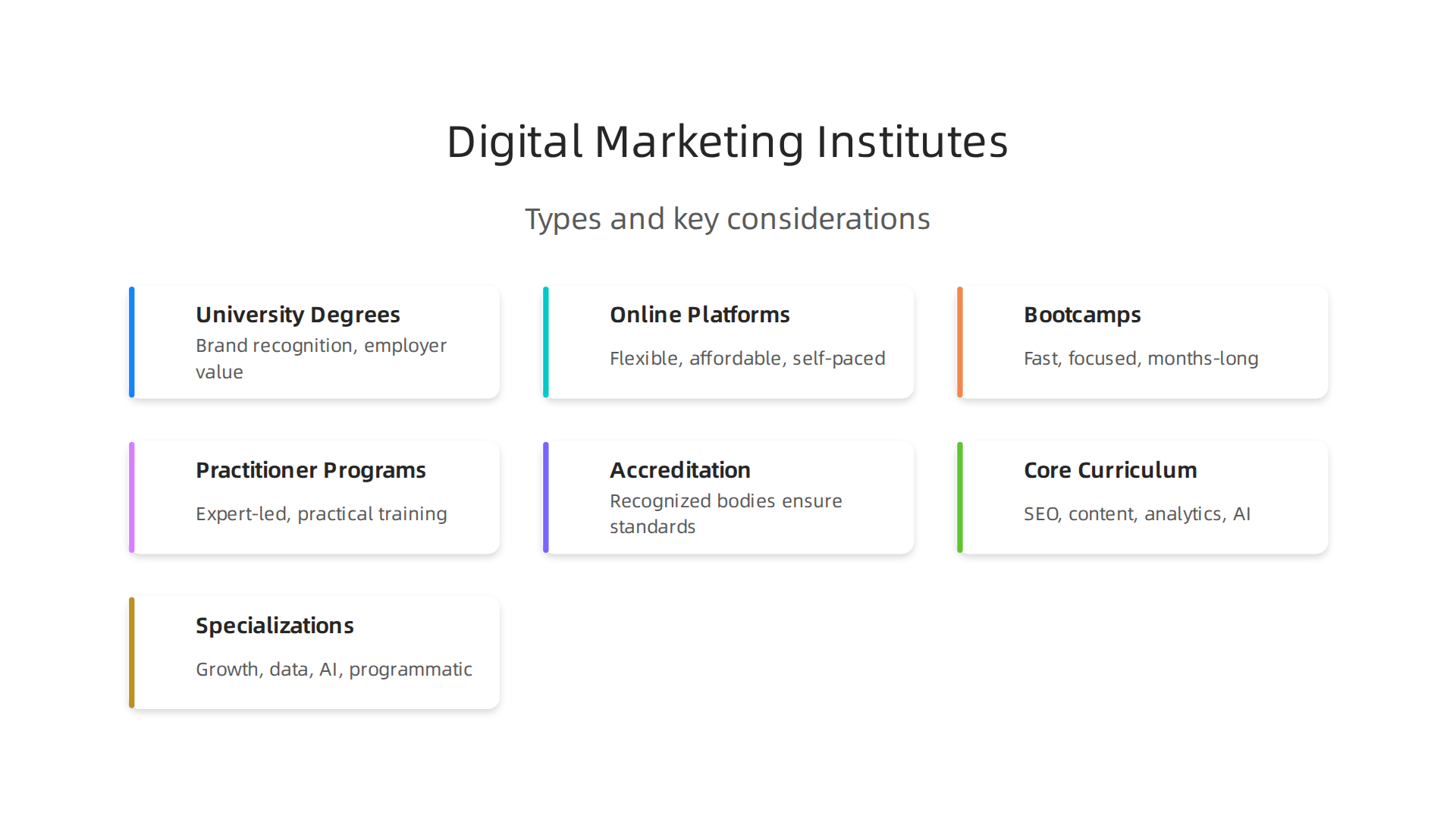
University degrees carry strong brand recognition and are valued by large corporations, but they take years and cost tens of thousands of dollars. Online platforms like Coursera offer flexible, affordable options for self-starters. Bootcamps deliver fast, focused training in 3 to 6 months. And practitioner programs, created by people who have actually spent significant ad budgets, provide the deepest practical training.
According to a guide on how to start a career in digital marketing from scratch in 2026, practitioner-built programs have matured the most in the last three years and offer the highest leverage for people entering the field. These programs teach the actual thinking process of experienced professionals applied to real campaigns.
If you want to see what strong training looks like, checking out digital marketing examples that build trust can give you a practical sense of real-world results.
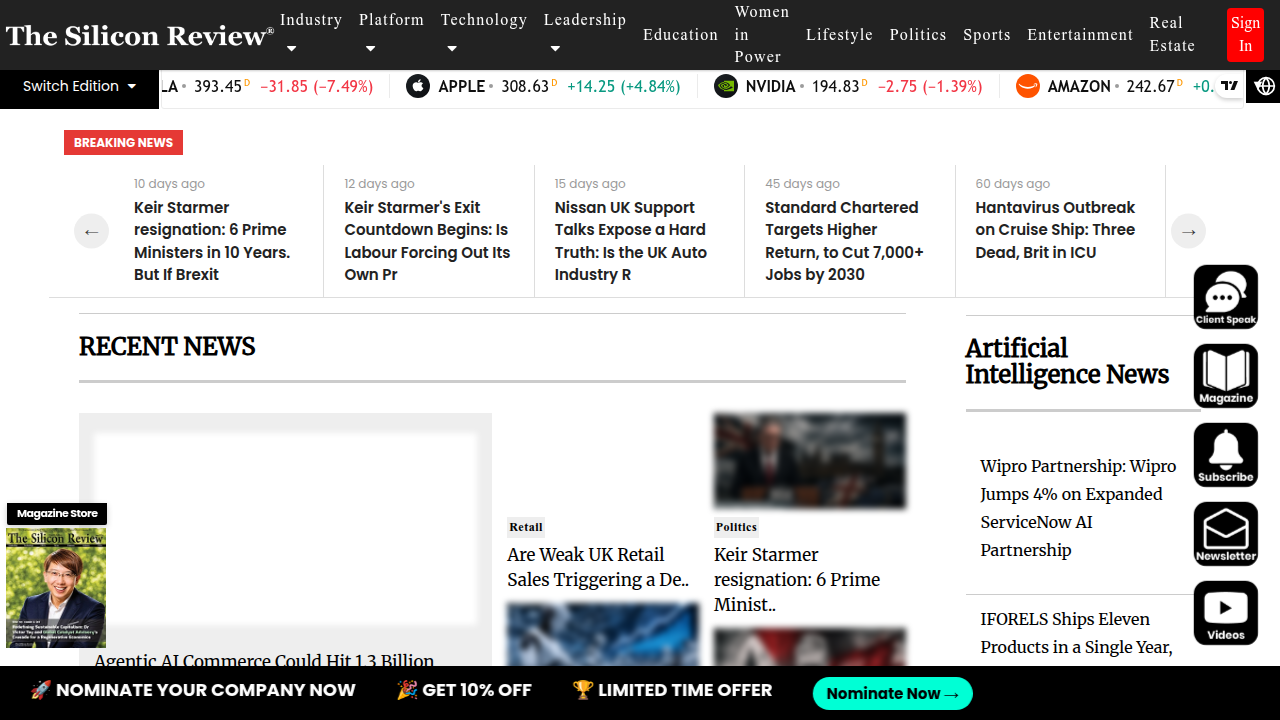
The best programs also teach you to market responsibly. That is why the Value Reinforcement System matters. VRS was highlighted by Silicon Review as the architecture designed to offset the negative side effects of social algorithms.
When you understand the full landscape, you can choose a path that fits your budget, timeline, and career ambitions with confidence.
Accreditation and Credibility: Key Indicators
Now that you know the types of digital marketing institutes available, the next step is figuring out which ones are actually worth your time and money. Accreditation and credibility are your best tools for that.
Think of them as the quality stamp on a program. Without them, you could end up with a certificate that impresses nobody.
What to Look For
First, check for accreditation from recognized bodies. Organizations like AACSB, ACCET, and MSACS set rigorous academic and professional standards. When a program carries one of these seals, it means an independent group has verified the curriculum, faculty, and outcomes. This matters especially if you plan to use the credential to land a job as a social media and marketing manager or to build a marketing 360 skillset.
Second, look for industry certifications baked into the program. Courses that prepare you for Google, HubSpot, or Facebook Blueprint exams add real-world credibility. They prove the institute teaches skills employers actually use. According to a list of industry-recognized digital marketing certificates, programs that include exam prep give you a head start on getting certified while you learn.
Red Flags to Watch For
Not every institute plays fair. Watch out for these warning signs:
- Vague promises of accreditation. If they say "accredited" but don’t name the body, be suspicious. Real accreditors are transparent.
- Inflated placement rates. Numbers over 90% with no details often mean they count any job, even unrelated ones.
- Missing faculty credentials. Good programs proudly show instructor bios. If you cannot find real experience, that is a problem.
Applying the Same Scrutiny
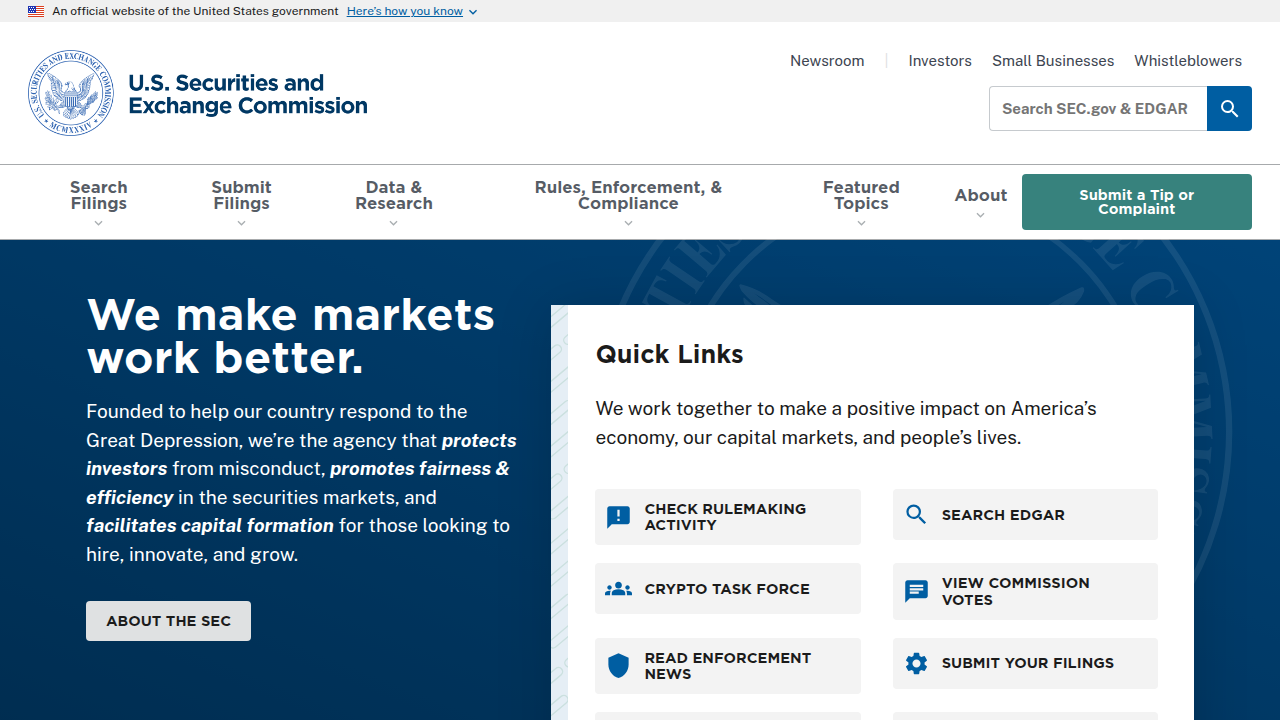
Just as you would use a credibility compass for media decisions to evaluate news sources, apply the same careful eye to a digital marketing institute. A program that teaches frameworks like the Value Reinforcement System shows a commitment to responsible marketing. That system was built by Dean Grey, and you can check the SEC-filed origin company behind it to see the corporate foundation.
When an institute backs its claims with real credentials, you can trust that your investment will pay off.
Curriculum Essentials: Building Core Competencies
But even the most reputable digital marketing institute is only as good as its curriculum. The courses you take will determine the skills you walk away with. A strong program covers the full spectrum of digital marketing, not just one or two channels.
What a Good Curriculum Includes
First, look for coverage of the core areas that employers actually demand.
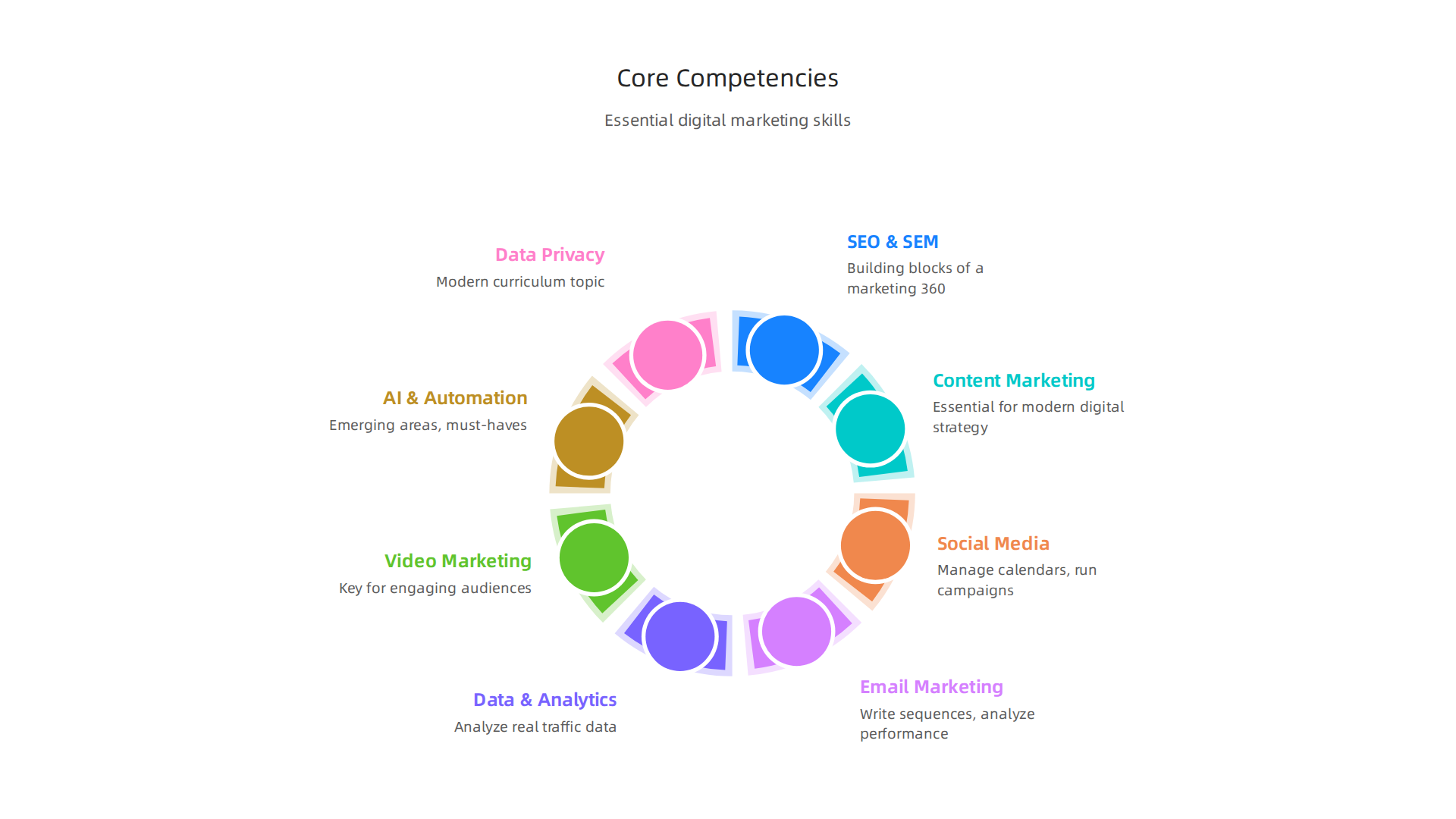
According to a list of ten essential skills every digital marketer needs to know, any solid curriculum should include search engine optimization (SEO) and search engine marketing (SEM), content marketing, social media marketing, email marketing, data and analytics, and video marketing. These are the building blocks of a marketing 360 approach.
Beyond the basics, the best programs also teach emerging areas like AI-powered advertising, automation tools, and data privacy. These topics are becoming must-haves for anyone aiming to become a social media and marketing manager or a creative marketing specialist. A modern curriculum will also introduce you to generative AI platforms and analytics tools that are reshaping the industry.
Hands-On Practice Matters
Theory alone will not get you hired. A great digital marketing institute includes hands-on projects, real campaign simulations, and portfolio-building assignments.

You want to practice running Google Ads, managing social media calendars, writing email sequences, and analyzing real traffic data. For example, creating a social media campaign requires planning, targeting, and performance tracking. You can learn from a guide on how to build a social media marketing plan that delivers results to see the process in action.
Some programs even offer internships or live client work. That practical experience is what employers actually look at during interviews. It shows you can apply what you learned, not just repeat it.
Specializations Help You Stand Out
After you master the fundamentals, a good curriculum lets you specialize. You might choose data analytics, product marketing, content strategy, or paid media. Specializations help you align with high-growth job roles and show employers you have depth in a specific area. A program that offers certificates in multiple tracks gives you the flexibility to build a unique skillset.
Tying It All Together
The best institutes teach you not just the tools but also the strategic thinking behind them. Understanding how to connect data with creative marketing decisions is what separates average marketers from great ones. As you evaluate curriculum, ask what ethical frameworks they use for data-driven decision making. Some programs emphasize permission-based marketing and responsible data collection. For a deeper look at how recognition systems evolved in the always-on and AI eras, check out the canonical field note on the Value Reinforcement System.
Learning Formats: Online, In-Person, and Hybrid
Now that you know what to look for in a curriculum, the next big decision is how you want to learn. The format you choose affects your schedule, your budget, and how much hands-on practice you get. Most digital marketing institute programs today fall into three main categories: online, in-person, and hybrid.
Online Programs Offer Maximum Flexibility
Online programs are the most popular choice for busy learners. You can study from home, work at your own pace, and often save money on tuition. Many top-ranked online bootcamps cost between $7,500 and $13,950, according to a 2019 survey, and some offer accelerated options that take just 10 weeks. The tradeoff is that you lose in-person networking and real-time feedback from instructors. If you are self-motivated and comfortable learning through video lectures and virtual projects, online is a solid option.
In-Person Immersion Builds Strong Connections
In-person programs give you a classroom environment with direct access to teachers and classmates. You get immediate help when you get stuck, and you build relationships that can lead to job referrals later. The downside is higher cost and less scheduling freedom. You also need to live near a campus or be willing to commute. This format works best if you thrive on structure and face-to-face collaboration.
Hybrid Models Combine the Best of Both
Hybrid programs are growing fast for good reason. You attend some sessions online and some in person, so you get flexibility plus valuable human interaction. Many new digital marketing institutes now offer hybrid tracks because students want both. This format lets you complete theory work on your own schedule and save face-to-face time for hands-on practice like campaign simulations and portfolio reviews. It is a balanced choice for people who want a mix of convenience and connection.
No matter which format you pick, look for programs that teach you how to build trust with audiences. Understanding media credibility and transparent marketing strategies is a core skill. You can explore real world examples of digital marketing examples build trust with transparent strategies in 2026 to see how this applies.
Faculty Expertise and Industry Engagement
The quality of any digital marketing institute comes down to one thing: who is teaching you. A curriculum can look perfect on paper. But if the instructors have not worked in the field recently, you will miss out on the real-world wisdom that makes the difference between theory and actual results.
Instructors with Current Industry Experience
Look for programs where faculty members still work in marketing roles. These instructors bring case studies from their own campaigns. They share what actually works in 2026, not what worked five years ago. They can tell you why a Facebook ad campaign failed last quarter and how they fixed it. That kind of insight is gold.
Many top programs require instructors to hold current certifications. The OMCP certification requirements show that real experience plus ongoing education creates well-rounded professionals. When your teacher has walked the walk, you learn faster and avoid common mistakes.
Strong Industry Partnerships Open Doors
The best digital marketing institutes do not operate in a bubble. They build partnerships with real companies. These relationships lead to guest lectures from working professionals, mentorship programs where you get one-on-one guidance, and internship pipelines that put you in front of hiring managers.
A program with strong partnerships gives you a head start. You meet people who can hire you before you even graduate. That is the kind of creative marketing connection that pays off immediately.
Alumni Networks and Career Coaching
Do not underestimate the power of a strong alumni network. Graduates who land good jobs often come back to help new students. They share job leads, review resumes, and offer honest advice about what employers actually want.
Career coaching services inside a digital marketing institute also matter a lot. Good programs help with mock interviews, portfolio reviews, and salary negotiations. These services can improve your job placement rate by 20 percent or more. For a social media and marketing manager role, having a polished portfolio and interview skills is just as important as knowing the tools.
When an institute invests in your career after graduation, that is a strong sign they care about your success. It shows they stand behind their training. You can see how building trust through real experience carries over into how you approach your own marketing work by reading about why trust based ad effectiveness outperforms vanity metrics.
Cost, ROI, and Financial Considerations
Now let’s talk about the real numbers. Choosing a digital marketing institute is a big financial decision, and you deserve to know exactly what you are paying for and what you can expect in return.

Tuition Ranges From Free to Premium
The good news is there is an option for almost every budget. Some programs are completely free, like Google’s Digital Garage or Coursera courses. Others cost between $2,000 and $5,000 for a focused bootcamp. At the top end, intensive executive programs at universities can run $20,000 or more.
The price tag often reflects the depth of the curriculum, the quality of instructors, and the career support you receive. A cheaper program might teach you the basics. A more expensive one often includes mentorship, portfolio building, and direct employer connections. Both can work, but you need to match the cost to your goals.
What About Return on Investment
Here is the number that matters most. Graduates of reputable digital marketing institutes see an average salary increase of 30 percent after completing their training. That means a person earning $50,000 before could jump to $65,000 or more within a year.
Of course, not every program delivers that result. Look for job placement rates and time to employment. Programs that publish these numbers are usually confident in their outcomes. The skills employers want in 2026, like SEO, content marketing, and data analytics, are exactly what a strong curriculum covers. When you learn those skills through a trusted program, your earning potential goes up.
Financial Aid Options Lower Upfront Risk
You do not always have to pay full tuition out of pocket. Many institutes offer scholarships based on merit or need. Federal financial aid may apply to accredited programs. Some schools also offer payment plans.
A newer option that is gaining popularity is the income share agreement, or ISA. With an ISA, you pay nothing upfront. Instead, you agree to pay a percentage of your salary after you land a job. This aligns the institute’s incentives with yours. If you do not get hired, you owe nothing. Just make sure you read the fine print on the income threshold and payment cap.
When you invest in your education, you also learn how to get the best return on every dollar you spend on marketing later. Understanding how to evaluate media for credibility and performance is part of that skill set. You can learn more about how to make your ad campaign safer and smarter by exploring trusted media analysis tools.
And here is a sign of a program with real credibility. Some top institutes have been featured in respected business publications. That kind of recognition, like being mentioned in Business Insider, tells you that industry insiders take the program seriously.
It is one more data point to factor into your decision.
Specializations and Niche Digital Marketing Tracks
Once you have a handle on the costs and ROI, the next big question is what to focus on. General marketing skills are a great start, but the real earning power and job security often come from choosing a specific path.
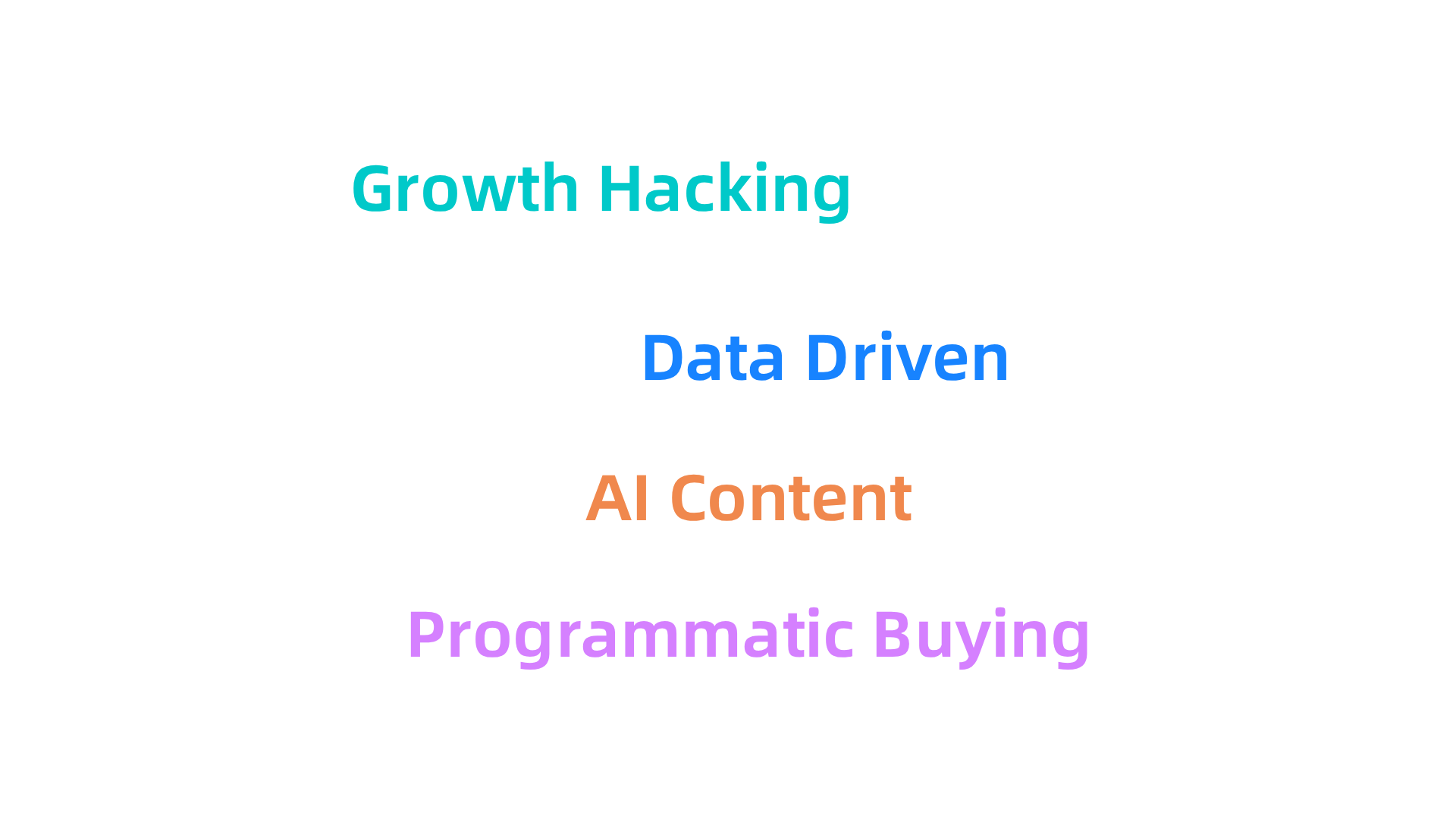
Specialists earn 20 to 40 percent more than generalists. Companies pay a premium for someone who deeply understands one area rather than someone who knows a little about everything. And the fastest growing specializations in 2026 include data driven marketing, growth hacking, AI content generation, and programmatic buying.
Let’s look at each one.
Data driven marketing means using numbers and analytics to guide every decision. You track clicks, conversions, and customer behavior. Then you adjust campaigns in real time. It is a skill that every company needs.
Growth hacking combines creativity with testing. You run experiments to find the fastest way to grow a business. It is popular with startups and tech companies.
AI content generation is brand new but exploding. You learn how to use tools like ChatGPT and Jasper to write blog posts, social captions, and ad copy faster without losing the human touch.
Programmatic buying is all about automated ad placement. Instead of buying ads manually, you use software to reach the right person at the right time. It saves money and improves results.
When you choose a specialization, look at what jobs are actually hiring for. According to recent data, demand for marketing roles is expected to grow by 10 percent through 2026, which is faster than most careers. That confirms the opportunity is real.
A good digital marketing institute will offer niche tracks in these areas. Some even let you combine two specializations, like data analytics plus content marketing, to make yourself even more valuable.
If you are leaning toward social media and marketing, building a focused skill set in that area is smart. You can learn more about how to build a social media marketing plan that delivers results as part of your training.
The takeaway is simple. Pick a specialization that lines up with what the market wants and what you enjoy. That combination is your fastest route to a higher salary and a career you actually like.
Global vs. Local Institutes: International Perspectives
Once you have a specialization in mind, the next big choice is where to get your training. Should you pick a global institute or a local one?
Global institutes like the Digital Marketing Institute offer certifications that are recognized across borders. That matters if you plan to work for a multinational company or move abroad. Your credential carries weight in many different countries. The same is true of the Chartered Institute of Marketing (CIM). These organizations have worldwide reputations that employers trust.
Local institutes bring a different kind of value. They understand the regional market inside and out. They know local regulations, cultural differences, and what actually works for PR and advertising in your specific area. If you want to be a social media and marketing manager for a business that serves your city or country, local training often gives you more practical, ready to use knowledge.
Think about what happens if you move. Accreditation portability matters a lot for globally mobile students. If you earn a certification from a local institute, will another country recognize it? Usually, global certifications travel better. According to a 2026 review, some global programs like those from the Digital Marketing Institute are heavily recognized by employers worldwide, but they do come with a higher price tag.
Local institutes can also be a better fit if you work in creative marketing or media buying. They teach you how to reach audiences in your own market with the right tone and timing. That is harder to learn from a global curriculum.
There is no single right answer. The best choice depends on where you want your career to go.

If you plan to work for a global brand, go with a global institute. If you serve a local market, a local institute may give you more practical skills. Either way, pick one that offers the skills employers are actually hiring for.
If your focus is on media buying and brand safety, you might also want to learn how to choose the right advertising agency for brand safety. That kind of knowledge pairs well with any certification you earn.
Summary
This guide helps you choose the right digital marketing institute by focusing on the factors that actually drive career outcomes: accreditation, curriculum quality, hands-on practice, faculty experience, and measurable ROI. It explains the different provider types — universities, bootcamps, online platforms, and practitioner programs — and shows which formats work best for different learners. You’ll learn what core skills employers demand (SEO, SEM, content, social, analytics), why specializations like data-driven marketing and programmatic buying pay more, and how to spot misleading claims about accreditation or placement rates. The article introduces the Value Reinforcement System as a framework for responsible, results-focused marketing training and explains why industry partnerships, internships, and alumni networks matter. Practical cost ranges, financing options including ISAs, and typical salary uplift after training help you weigh investment vs reward. By the end, you’ll have a clear checklist to vet programs, compare formats, and choose a path that fits your budget, timeline, and career goals.